Archaeological Museum of Megara
The Archaeological Museum of Megara houses important finds from rescue excavations carried out in the city of Megara and the wider region of western Attica.
The exhibits cover a long historical period, from the 8th century BC to the 2nd century AD, presenting aspects of the public, religious, and everyday life of the ancient city.
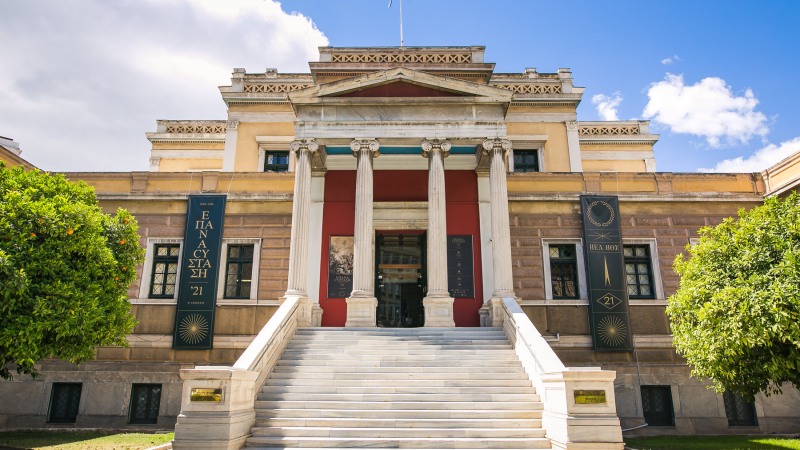
The museum is located in the old Town Hall, a historic two-story building dating to the 19th century, which was granted for the creation of the museum. It was inaugurated in 2000 with the aim of preserving and showcasing part of the important archaeological discoveries of the area, becoming an important cultural center for Megara and western Attica.
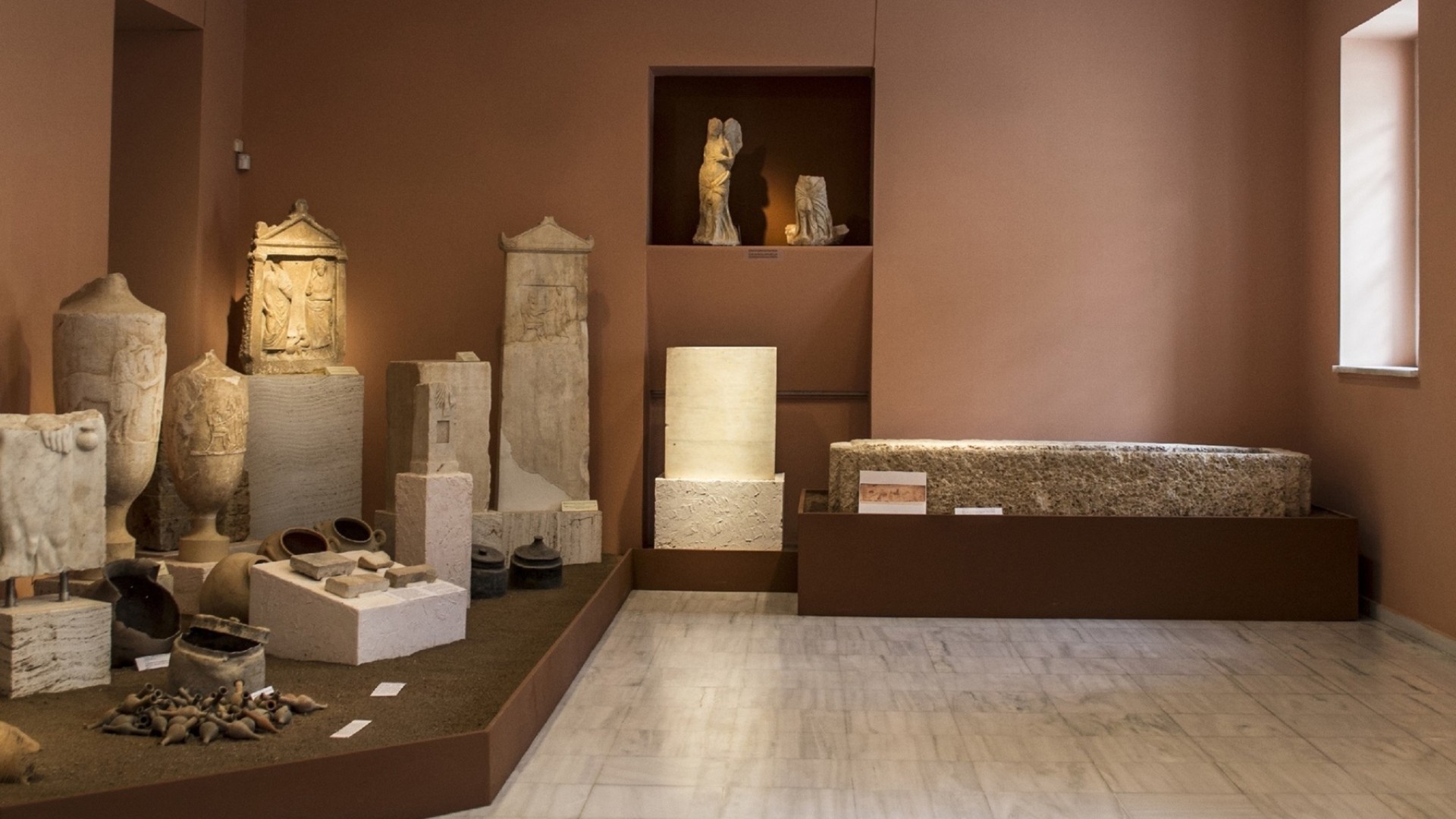
The exhibition is organized into four rooms. On the ground floor, visitors can see marble sculptures, votive reliefs, and inscriptions that provide information about public life, art, and religious practices from the Archaic to the Roman period. A notable feature is the artistic reconstruction of the famous Victory of Megara, based on an engraving from 1847.
On the upper floor, objects from burial assemblages are displayed, including pottery and grave offerings that reveal funerary customs and aspects of the social life of the ancient Megarians. The exhibition also includes everyday objects made of clay and bronze, as well as finds from the Archaic sanctuary at Boura in Alepochori, which are connected with local worship and ceramic production.
In the museum courtyard, inscriptions, statue bases, and architectural members from different historical periods are exhibited. The Archaeological Museum of Megara offers visitors a comprehensive view of the history and culture of ancient Megara, highlighting the city’s important role in the ancient Greek world.