Canellopoulos Museum
The Paul and Alexandra Canellopoulos Museum (CAMU) is a major archaeological and art museum in Athens that presents the continuity of Greek art from prehistoric times to the post-Byzantine period.
Its collection was created through the lifelong dedication of Paul and Alexandra Canellopoulos, who donated their extensive private collection to the Greek state as an act of cultural contribution.
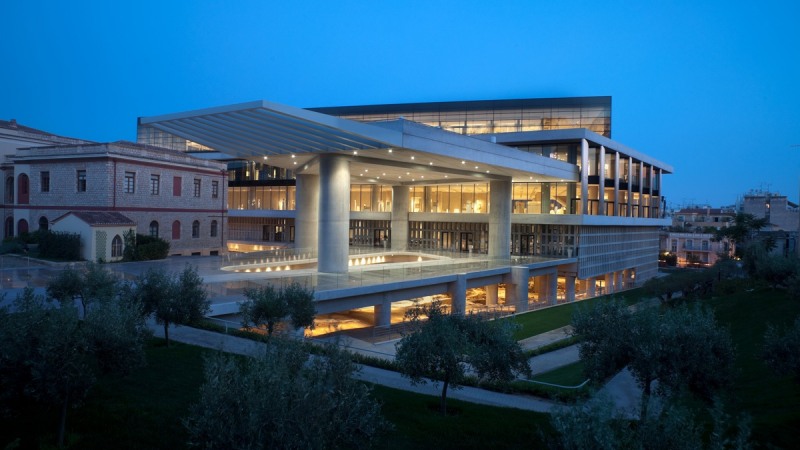
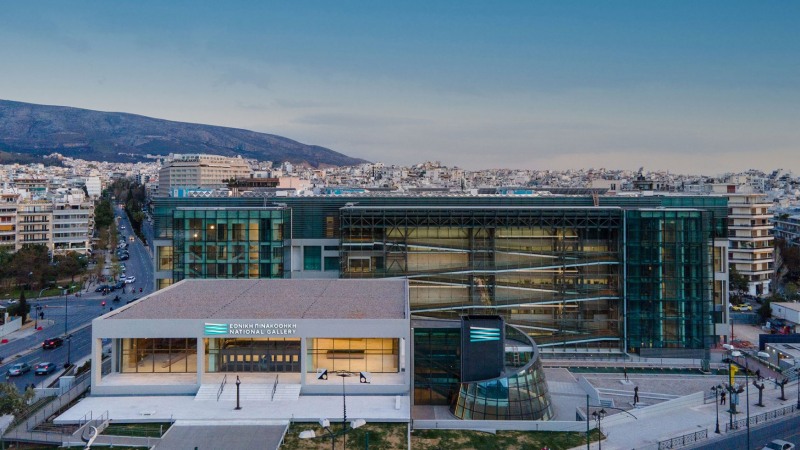
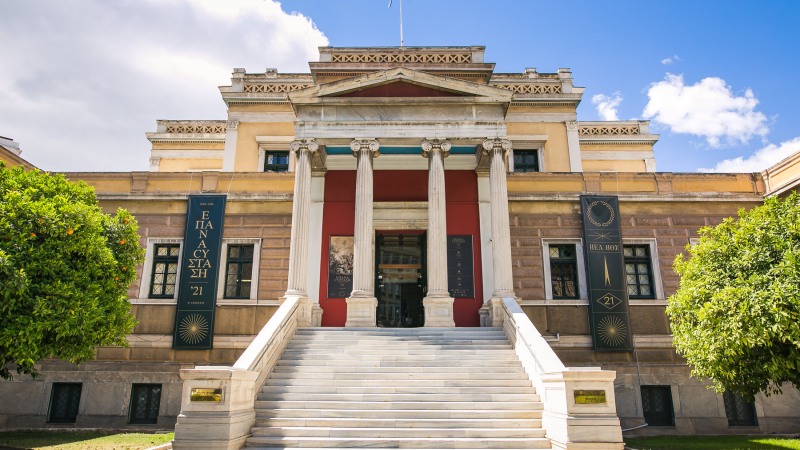
The museum is located in the historic neighbourhood of Plaka, on the northern slope of the Acropolis. It is housed in a complex of two connected buildings: the neoclassical Michaleas Mansion and the modern New Wing. Together, they create a unified exhibition space that blends historical architecture with contemporary museum design.
The Michaleas Mansion, built in the late 19th century, is itself an important historical monument. It stands near significant archaeological remains, including parts of the ancient and medieval fortifications of Athens. Over time, the building was restored and adapted to serve as a museum, while preserving many of its original architectural features.
The New Wing, added in the 2000s, expanded the museum’s exhibition space and allowed the collection to be displayed more fully. During its construction, additional archaeological remains, including sections of the Byzantine Rizokastro wall and traces of a medieval house, were discovered and preserved in situ, becoming part of the museum experience.
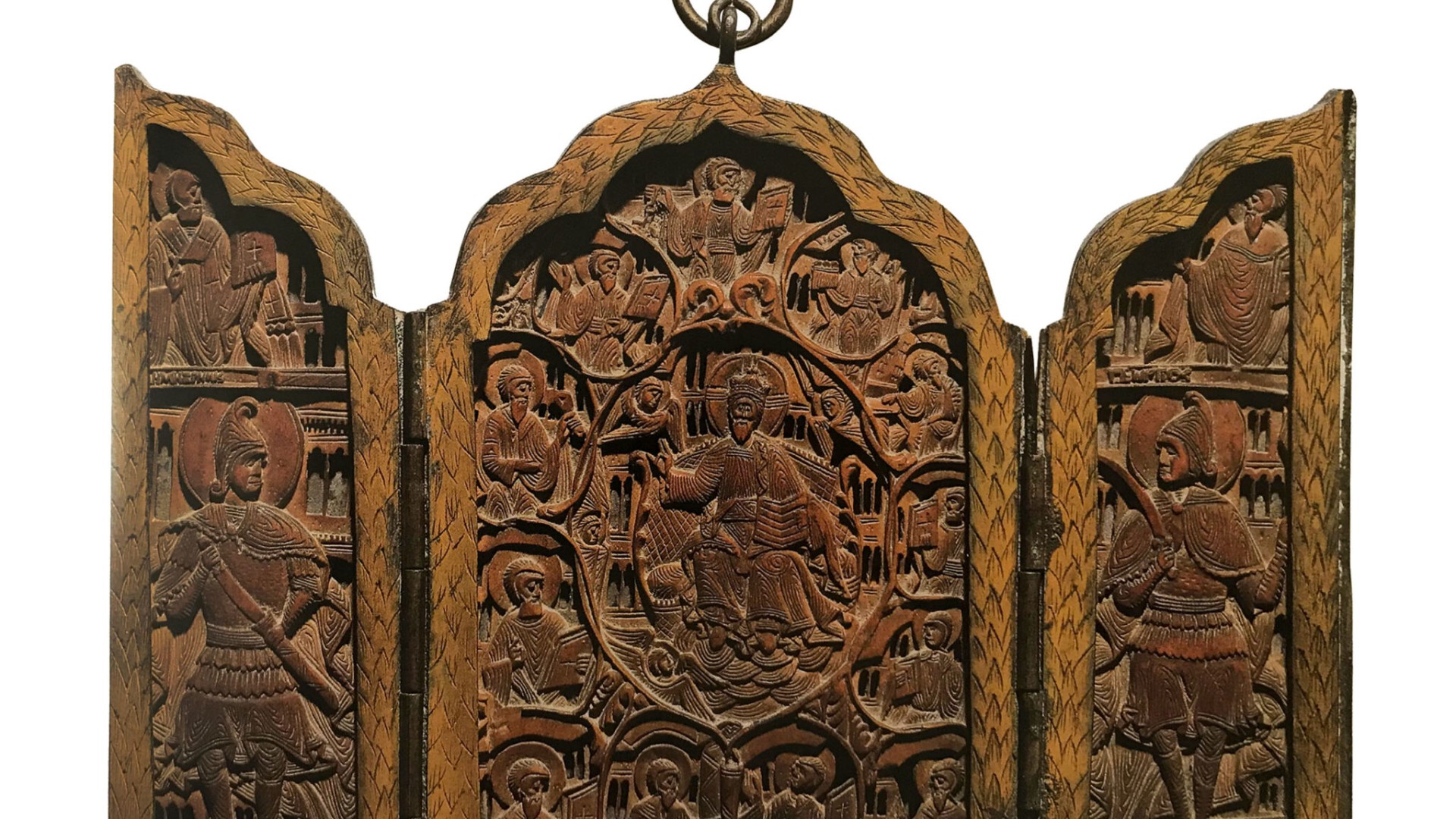
The Canellopoulos Museum’s collection includes a wide range of artworks and artifacts such as ancient Greek sculptures, pottery, Byzantine icons, post-Byzantine religious art, and decorative objects. Together, these works illustrate the artistic evolution and cultural continuity of Greece across thousands of years.
Beyond its exhibitions, the museum is active in education, research, and international collaboration. It organizes programmes and events that promote a deeper understanding of Greek art and culture, while also fostering dialogue between the past and the present.
Today, the museum functions as a dynamic cultural institution that connects archaeology, art history, and contemporary cultural life, offering visitors a unique journey through the artistic heritage of Greece.