Museum of Anthropology, University of Athens
The Museum of Anthropology of the National and Kapodistrian University of Athens is one of the oldest university museums in Europe, founded in 1886.
It is an educational and research museum of the University’s School of Medicine, dedicated to the study of human evolution and the biological diversity of human populations.
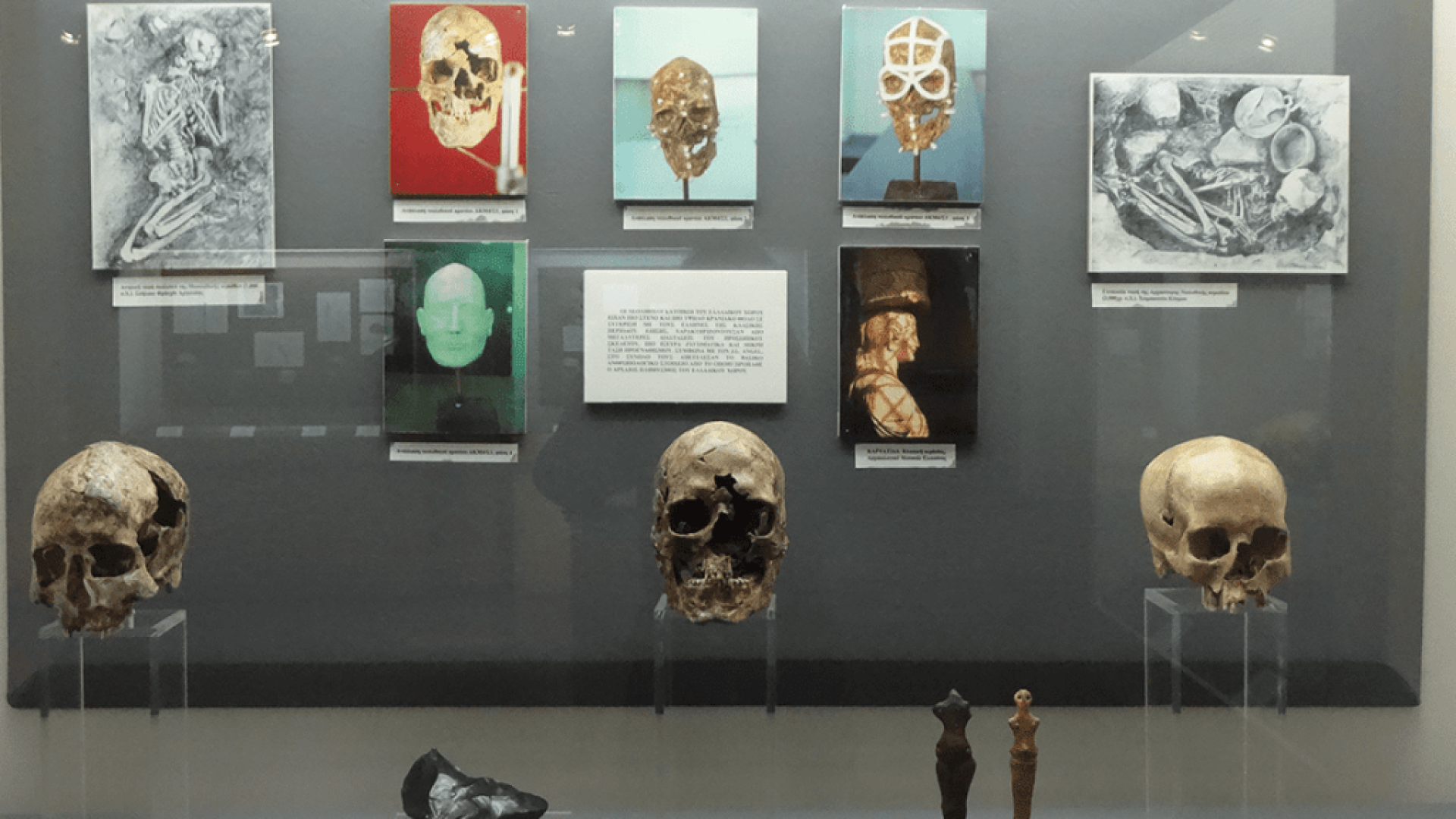
The museum was founded by Klon Stephanos, who is regarded as the “father of physical anthropology” in Greece. In its early years, it functioned primarily as a research laboratory within the Department of Histology, focusing on the study of anatomical and anthropological material, especially skeletal remains from Greece and other regions. Over time, it developed significant collections of osteological material representing all historical periods of the Greek world, as well as prehistoric and paleontological finds that contribute to the study of human evolution.
The museum has also been enriched with paleoanthropological collections and replicas from around the world, covering a vast chronological range of human development. Since 1930, it has been located in its current premises in the Goudi area of Athens, where it continues to operate as an important centre for teaching and research.
Today, the Museum of Anthropology plays a vital role in the academic life of the Medical School, offering educational programs and laboratory training for students. At the same time, it is open to the public and regularly hosts school visits, contributing to the dissemination of scientific knowledge about human origins and evolution.