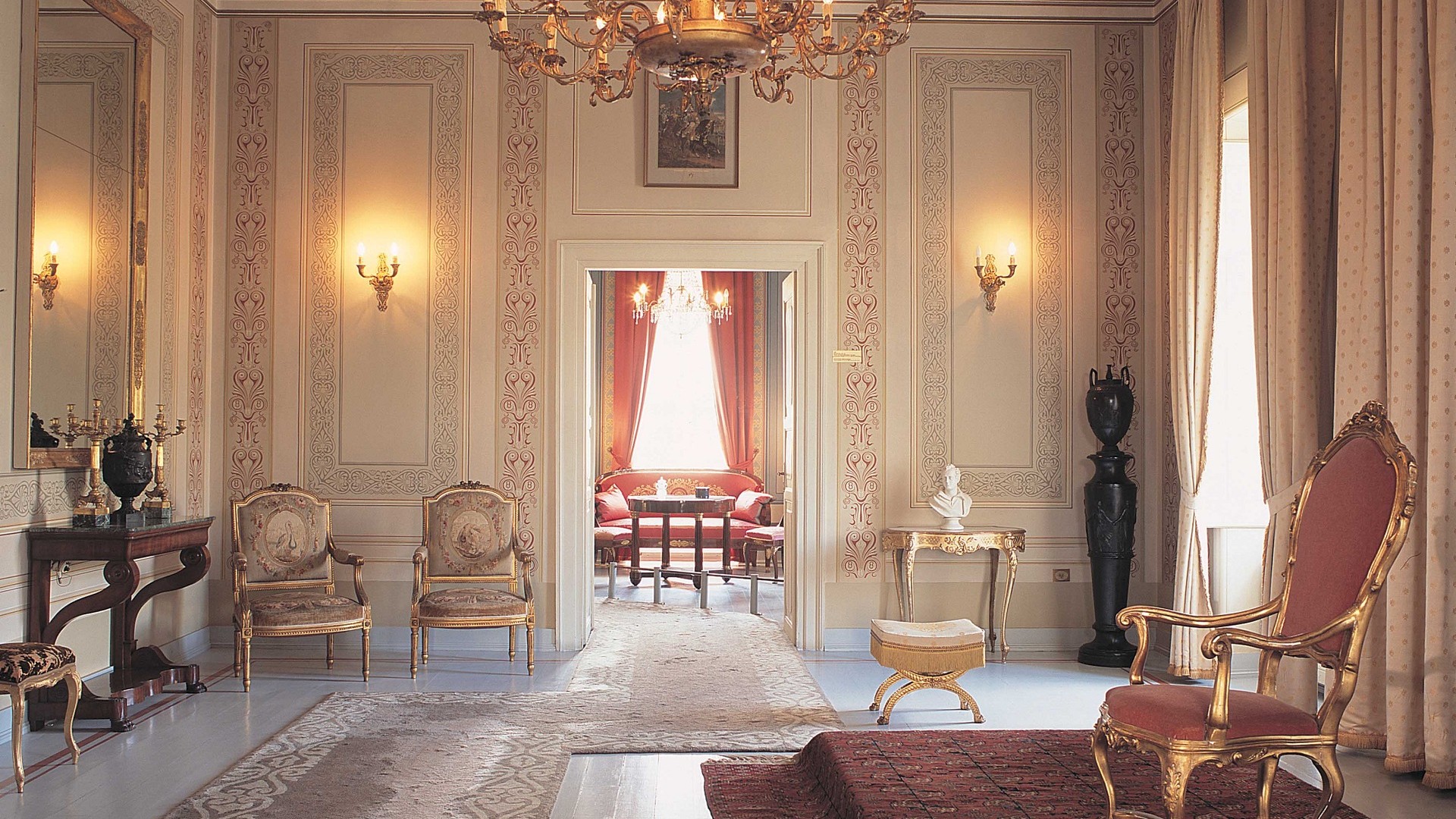
Museum of the City of Athens (Vouros - Eftaxias Foundation)
The Museum of the City of Athens (Vouros–Eftaxias Foundation) is dedicated to the history and development of Athens in modern times.
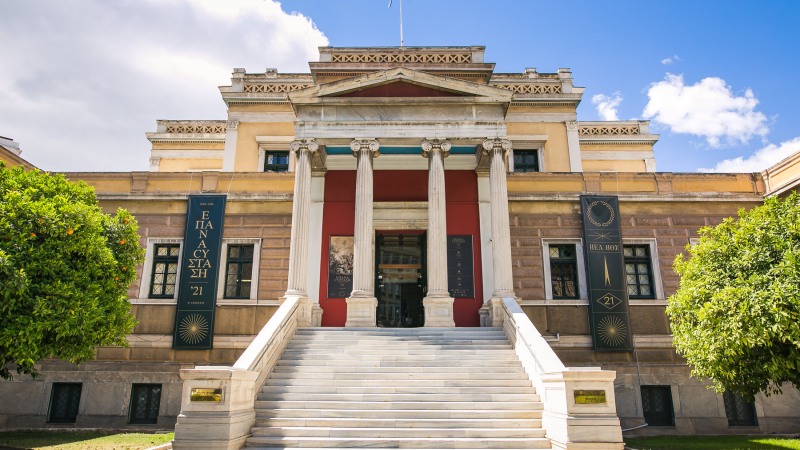
It is housed in two of the city’s oldest neoclassical buildings located at 5 and 7 Paparrigopoulou Street, in the centre of Athens.
The museum was founded in 1973 and opened to the public in 1980. It is closely connected with the history of the Greek state, as the building at number 7, known as the “Old Palace”, once served as the residence of King Otto and Queen Amalia between 1836 and 1843, when Athens became the capital of Greece. This neoclassical mansion originally belonged to the wealthy banker Stamatios Dekozis-Vouros and later became associated with the Vouros–Eftaxias family, including Lambros Eftaxias, who played a key role in establishing the museum.
The “Old Palace” was built in 1833–1834 according to plans by the architects Gustav-Adolf Lueders and Joseph Hoffer. It is one of the earliest examples of neoclassical architecture in Athens and reflects the early urban character of the modern Greek capital. During the early years of King Otto’s reign, the building was part of a small complex of residences linked together and adapted to serve royal needs, marking an important moment in the political and architectural history of the city.
The second building at 5 Paparrigopoulou Street complements the museum complex. Designed by military engineer Gerasimos Metaxas and later modified in the early 20th century, it represents the evolution of Athenian urban architecture and bourgeois domestic life. Renovations in the 20th century helped preserve both buildings and integrate them into a unified museum space.
Today, the Museum of the City of Athens presents the development of Athens from the establishment of the modern Greek state to the 20th century. Through its historic interiors, furnishings, and archival material, it offers visitors an insight into the political, social, and cultural life of the city and the everyday life of its citizens.