Archaeological Museum of Chalkida
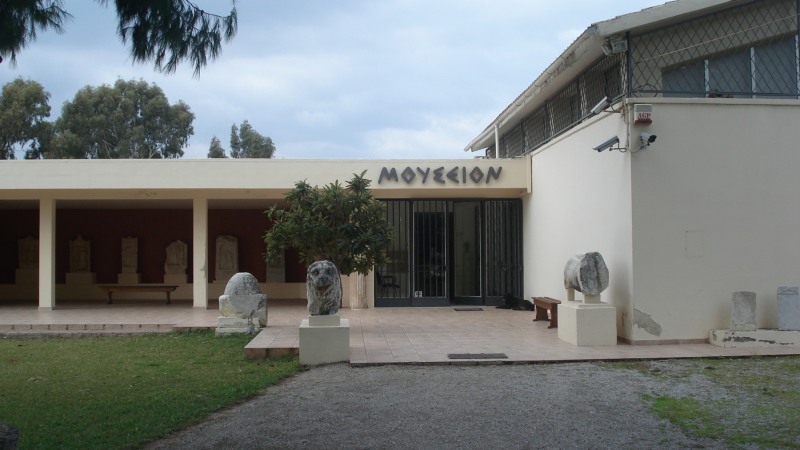
The Archaeological Museum of Chalkida is housed in a neoclassical building dating to the early 20th century and preserves and presents archaeological finds from across the island of Euboea.
The building, which belongs to the Greek state, was designed to properly host the island’s rich archaeological heritage and includes a spacious courtyard and three exhibition halls.
The museum’s collections cover a wide chronological range, from the Paleolithic period to the Late Roman era. They originate from excavations throughout Euboea and include important material from settlements, cemeteries, and ancient cities of the island. Among the most significant finds are objects from the prehistoric settlement and cemetery of Manika (2800–1900 BC), Mycenaean pottery and figurines, coins from classical and Hellenistic Chalkida, Eretria and Karystos, as well as Roman sculptures and funerary monuments.
The outdoor courtyard plays an important role in the visitor’s experience, displaying funerary monuments, inscriptions, architectural elements, and sculptures. Visitors are guided through a chronological journey beginning in the courtyard and continuing into the three main exhibition halls.
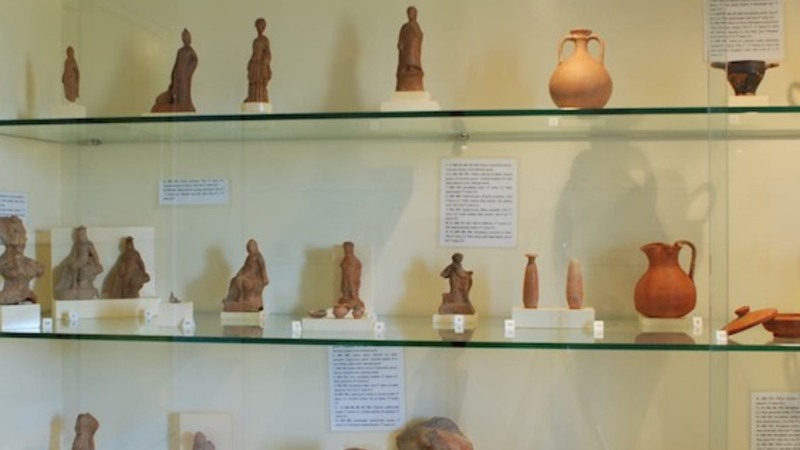
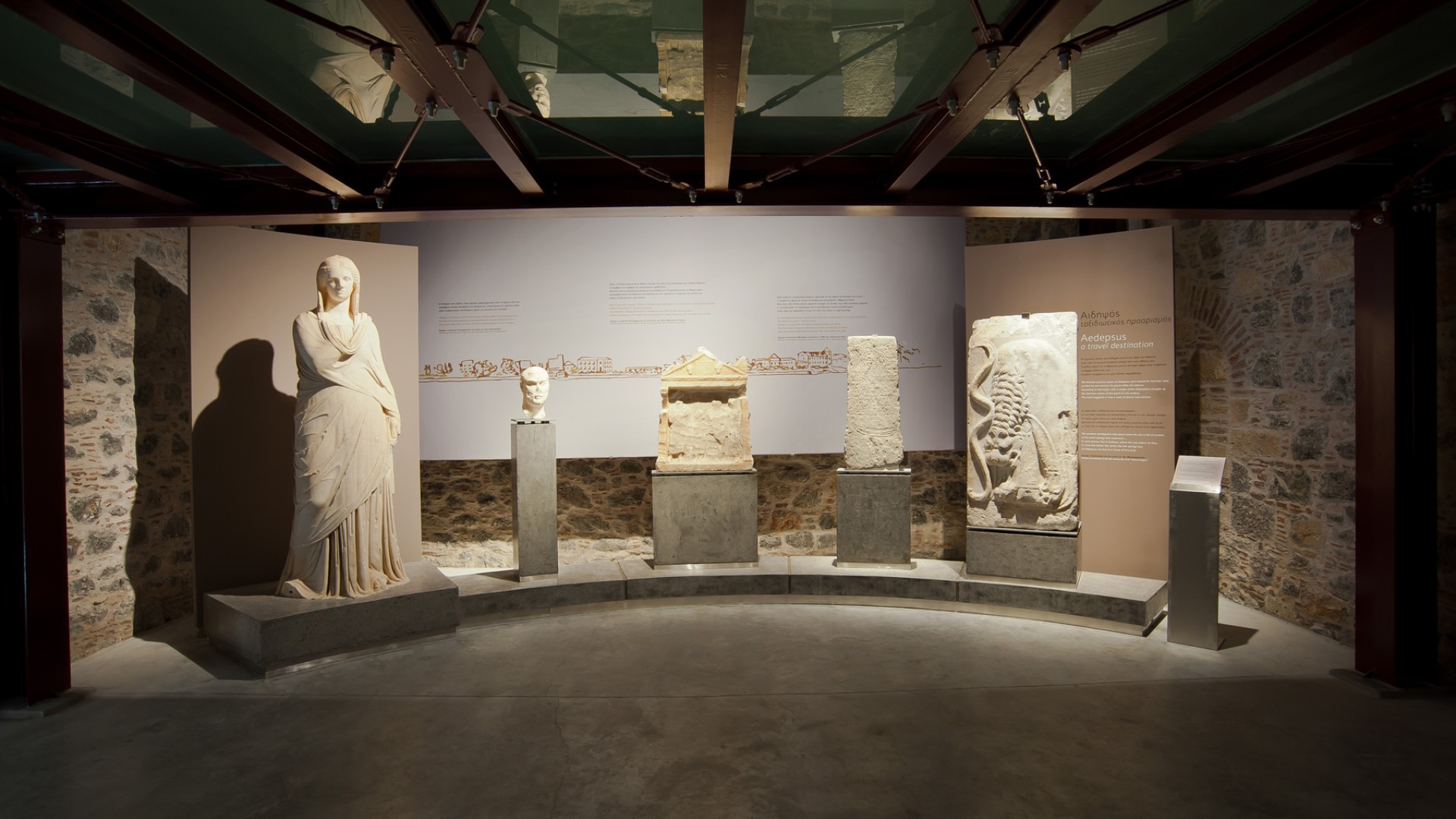
Inside the museum, the first hall presents early prehistoric material, including Paleolithic tools and Neolithic pottery, as well as finds from Manika and the Early Bronze Age. The second hall focuses on Archaic, Classical, and Roman-period artifacts, including sculptures, votive offerings, and funerary stelae. The third hall is dedicated to large-scale sculpture, featuring statues of gods and notable figures, reliefs, and bronze objects that highlight the artistic development of Euboea through the centuries.
Overall, the Archaeological Museum of Chalkida offers a comprehensive overview of the island’s long cultural history and its important role in the ancient Greek world.