Delphi Archaeological Museum
The Archaeological Museum of Delphi is one of the most important museums in Greece, closely connected with the history of the ancient sanctuary of Delphi and its world-famous archaeological discoveries.
Its history reflects more than a century of excavation, interpretation, and continuous renewal.
The first museum was inaugurated on 2 May 1903, funded by the philanthropist Andreas Syngros, in order to house the impressive finds from the “Great Excavation” at Delphi. Designed by architect A. Tournaire, the building followed early museum practices of the time, including the use of plaster casts to reconstruct architectural sculptures in their presumed original positions. Although the exhibition was dense and not yet fully scientifically organized, the significance of the discoveries gave the museum immediate international recognition.
During the following decades (1903–1939), leading Greek and foreign archaeologists studied and reinterpreted the material, criticizing earlier display methods and calling for a more systematic and scientific presentation of the finds. This period also saw Delphi regain international attention, especially through cultural events such as the Delphic Festivals organized by Angelos and Eva Sikelianos.
A second museum building was constructed between 1935 and 1938, and the new exhibition was completed in 1939. It introduced a more scientific approach, removing plaster reconstructions and organizing the material chronologically. However, the outbreak of World War II prevented the museum from opening to the public. Many important artifacts, including the famous Charioteer of Delphi, were transferred to safer locations in Athens.
The museum reopened only after 1950, following the disruptions of World War II and the Greek Civil War. A major new phase of development followed in the 1950s, led by architect Patroklos Karantinos, one of the most important representatives of modernist architecture in Greece. The redesigned museum opened in 1961, offering a clearer and more systematic presentation of the sanctuary’s history and its masterpieces.
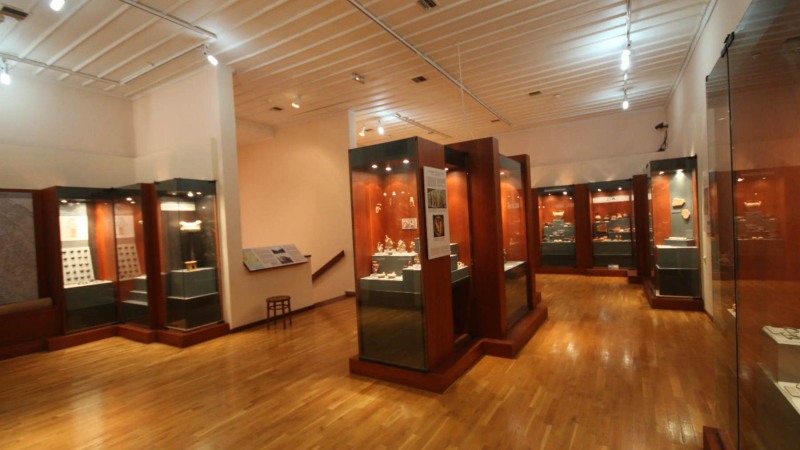
In the early 21st century, the museum underwent another major reorganization, based on updated archaeological research and modern museological principles. The new exhibition aims to present the history of Delphi in a more narrative way, highlighting its political, religious, and artistic significance over twelve centuries. Masterpieces such as the Charioteer of Delphi and the chryselephantine finds are displayed with greater emphasis and contextual understanding.
Today, the Archaeological Museum of Delphi is not only a repository of exceptional ancient artifacts but also a dynamic institution that reflects the evolving understanding of one of the most sacred and influential sites of the ancient Greek world.