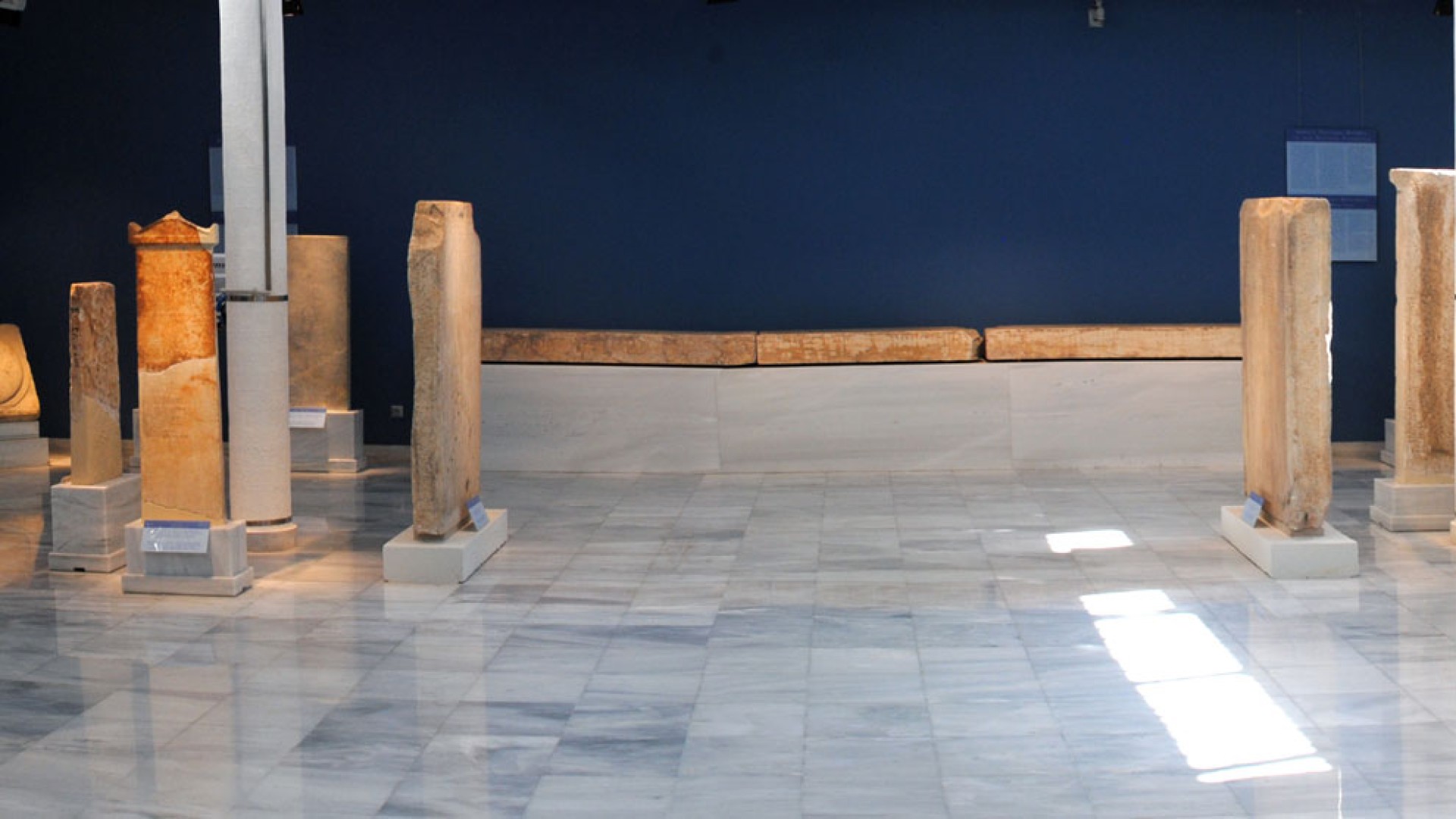
Epigraphical Museum
The Epigraphic Museum of Athens is one of the most important museums of ancient inscriptions in the world.
Founded in 1885, the museum was created to preserve, study, and exhibit inscriptions carved on stone, which today serve as valuable historical sources for understanding the political, social, religious, and economic life of ancient Greece. Its collection is considered the largest of its kind worldwide, containing thousands of inscriptions mainly from Athens and Attica, but also from other regions of Greece and Asia Minor.
Most of the inscriptions are written in ancient Greek, while some are in Latin and other languages such as Phoenician, Hebrew, and Ottoman. The exhibits date from the 8th century BC through the Byzantine and early Christian periods, offering visitors a unique journey through the written history of antiquity.
The museum was officially established by royal decree in 1885. Many of the first inscriptions housed there were transferred from the Acropolis and other archaeological collections in Athens under the supervision of the archaeologist Kyriakos Pittakis, one of the pioneers of Greek archaeology. Over the years, the museum continued to enrich its collections with inscriptions of great historical and archaeological importance.
In addition to its permanent exhibitions, the museum also includes a specialized library with more than 8,000 titles related to epigraphy, archaeology, history, and classical literature. The library supports scholarly research and is accessible to researchers and specialists in the field of Greek epigraphy.
As a special regional service of the Greek Ministry of Culture, the Epigraphic Museum plays a significant role in the preservation and promotion of Greece’s cultural heritage. Through its collections and research activities, it offers visitors and scholars a deeper understanding of the ancient Greek world and the evolution of written communication throughout history.