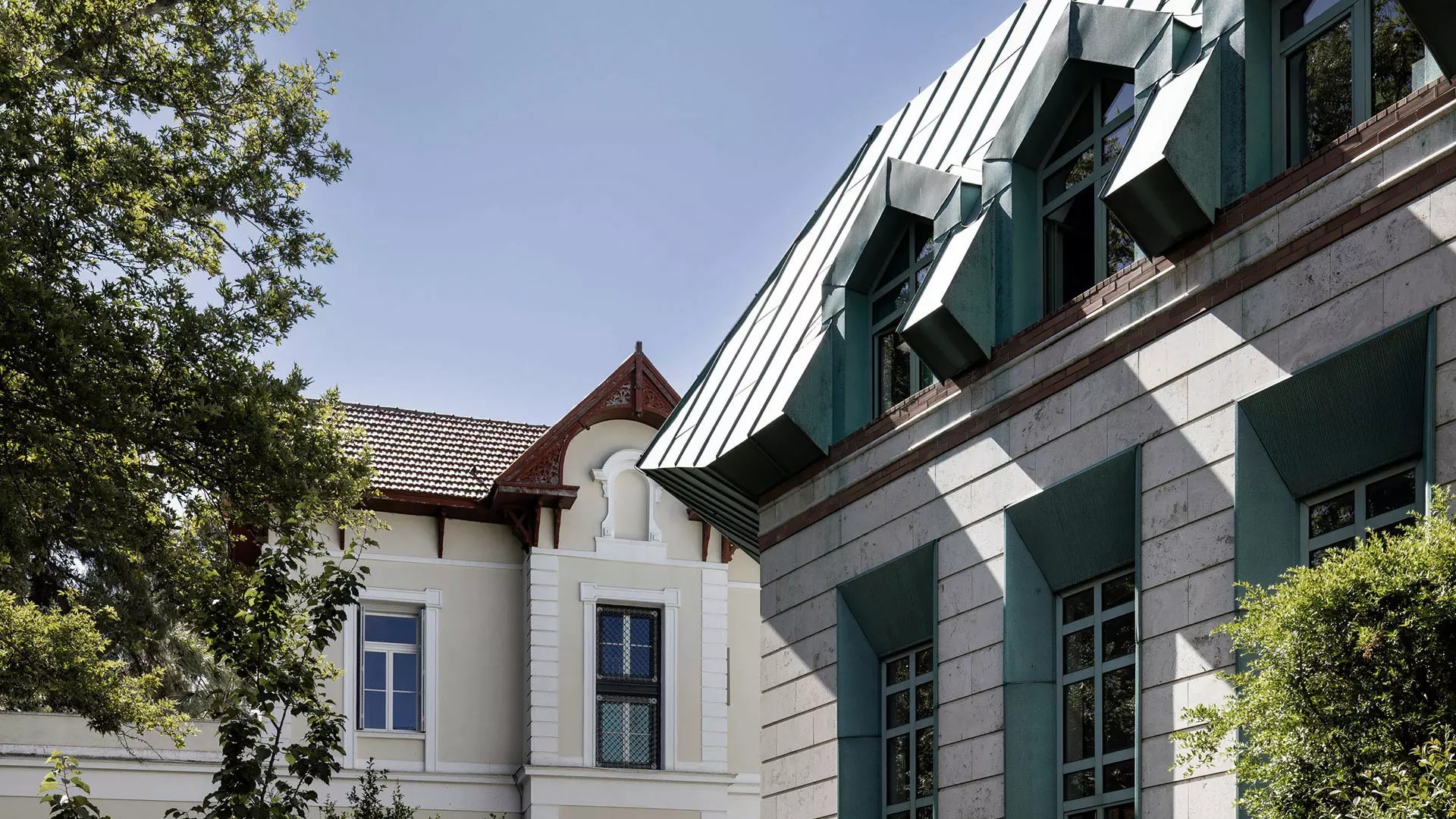
Goulandris Natural History Museum
The Goulandris Natural History Museum is one of Greece’s most important institutions dedicated to environmental awareness, scientific research, and natural history education.
Founded in 1964 by Angelos and Niki Goulandris, the museum was created with the vision of promoting the study and protection of Greece’s natural environment while encouraging a deeper connection between science, culture, and society.
From its early years, the museum focused on raising public awareness about biodiversity, ecology, and the importance of preserving natural resources. Originally established as a botanical museum, it later expanded its collections and research activities to include zoology, paleontology, geology, and environmental science, evolving into a multidisciplinary center for natural history and ecological education.
The founders, Angelos and Niki Goulandris, were among the pioneering figures of environmental protection in Greece. Through their work, they emphasized the importance of sustainability, biodiversity, and the relationship between humanity and nature. Their vision shaped the museum into a living center of knowledge, research, and public engagement that continues to inspire visitors of all ages today.
Over the decades, the museum has developed important research and educational initiatives, including the creation of the GAIA Centre for Environmental Research and Education, which combines science, technology, philosophy, and environmental studies through interactive exhibitions and educational programs. The museum also established the Greek Biotope/Wetland Centre in Thessaloniki, dedicated to the protection and sustainable management of wetlands and ecosystems across Greece.
In addition to its scientific work, the museum actively promotes environmental education through exhibitions, workshops, school programs, family activities, and public events designed to encourage ecological awareness and sustainable thinking. Its collections, educational spaces, and research centers aim to make natural history accessible and engaging for both children and adults.
The museum also manages the historic Sparoza Estate in Paiania, a model Mediterranean ecological garden that serves as a center for botanical research and environmental education. In Crete, the museum restored the Mastabas Mosque in Rethymno to house geological and paleontological collections highlighting the island’s unique natural history.
Recognized internationally for its contribution to museum innovation and environmental education, the Goulandris Natural History Museum has received numerous distinctions and awards over the years. In 2024, the Hellenic Parliament officially designated it as the National Museum of Natural History of Greece, confirming its important role in the country’s cultural and scientific landscape.
Today, the museum continues to serve as a dynamic institution that connects people with nature through science, education, research, and environmental responsibility, encouraging visitors to better understand and protect the natural world.