Jewish Museum of Greece
The Jewish Museum of Greece was founded in the late 1970s with the initiative of the Jewish Community of Athens and the support of individuals dedicated to preserving the history and cultural heritage of Greek Jewry.
The museum first opened in 1977 in a small room inside the Beth Shalom Synagogue in Athens, where objects, documents, and artifacts that survived the Second World War were gathered and protected.
Over the following years, the collection expanded significantly through contributions from Jewish communities across Greece and from private donors. Religious objects, textiles, books, ceremonial items, personal belongings, and historical documents from Romaniote and Sephardic Jewish communities became part of the museum’s collections. Special emphasis was placed on preserving artifacts connected with the Jewish communities of Macedonia and Thrace during the period of the Bulgarian occupation in World War II.
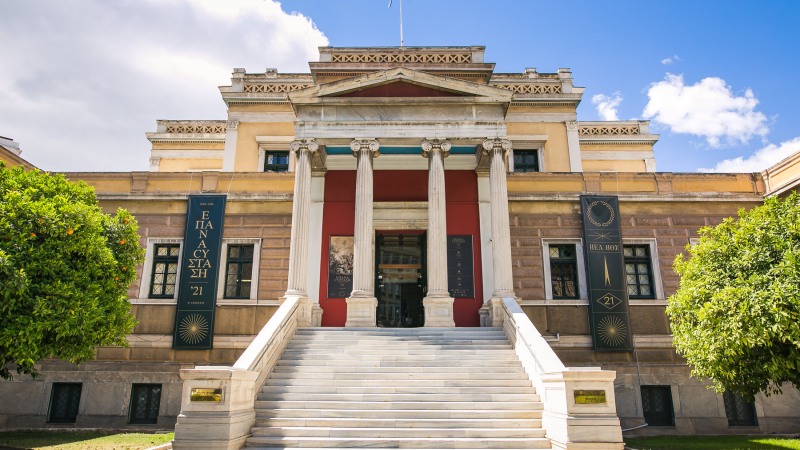
As the museum continued to grow, a larger and permanent home became necessary. In 1997, exactly twenty years after its founding, the museum moved into its current neoclassical building at 39 Nikis Street in the center of Athens. The building combines the preserved exterior of a 19th century neoclassical structure with a fully redesigned modern interior organized around a central octagonal atrium that allows natural light to enter all exhibition levels.
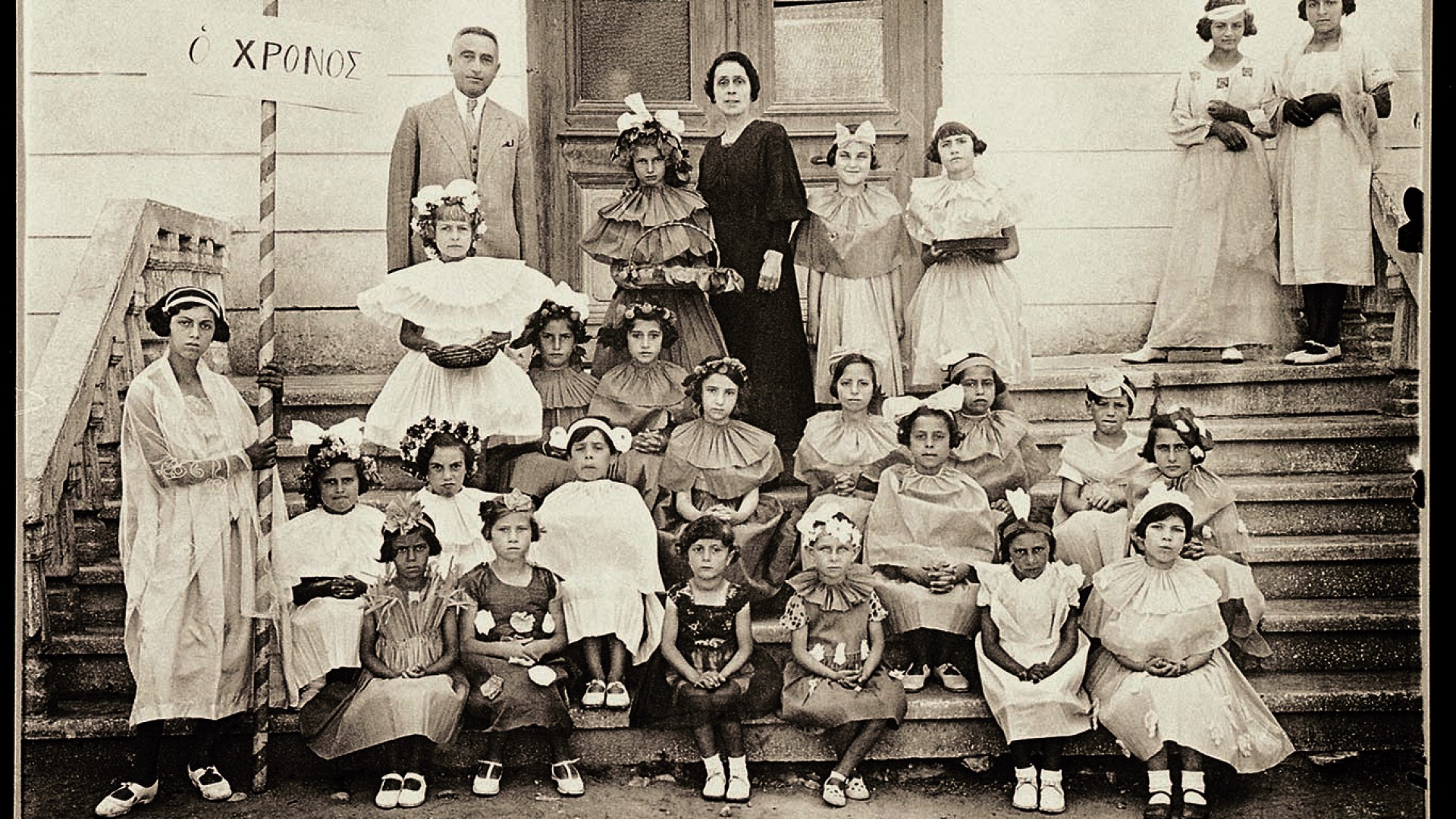
The permanent exhibition presents the history, traditions, religious life, and daily culture of the Jewish communities of Greece. Through historical artifacts, photographs, documents, and multimedia material, visitors can explore the long presence of Jewish life in Greece and learn about the traditions of both the Romaniote and Sephardic communities.
Beyond its exhibitions, the museum is highly active in education, research, and cultural outreach. It organizes educational programs, temporary exhibitions, lectures, and international collaborations that promote dialogue, historical understanding, and intercultural awareness. The museum also includes a library, photographic archive, conservation laboratory, and spaces dedicated to contemporary art and cultural activities.
Today, the Jewish Museum of Greece stands as an important cultural institution that preserves and presents the rich history and identity of Greek Jewish communities while promoting memory, education, and cultural exchange.