Museum of the History of the Greek Costume
The Museum of the History of the Greek Costume of the Lyceum Club of Greek Women is one of the most important cultural institutions dedicated to the preservation and promotion of traditional Greek dress.
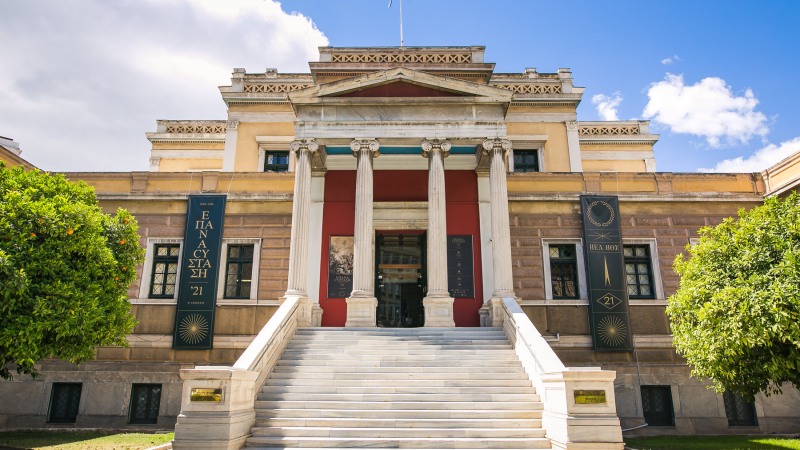
It was inaugurated in 1988 by the then Minister of Culture, Melina Mercouri, whose contribution to the creation of the museum was decisive. The museum is housed in a neoclassical building from the 1920s on Demokritou Street in Athens and has been a full member of the International Council of Museums (ICOM) since 1997.
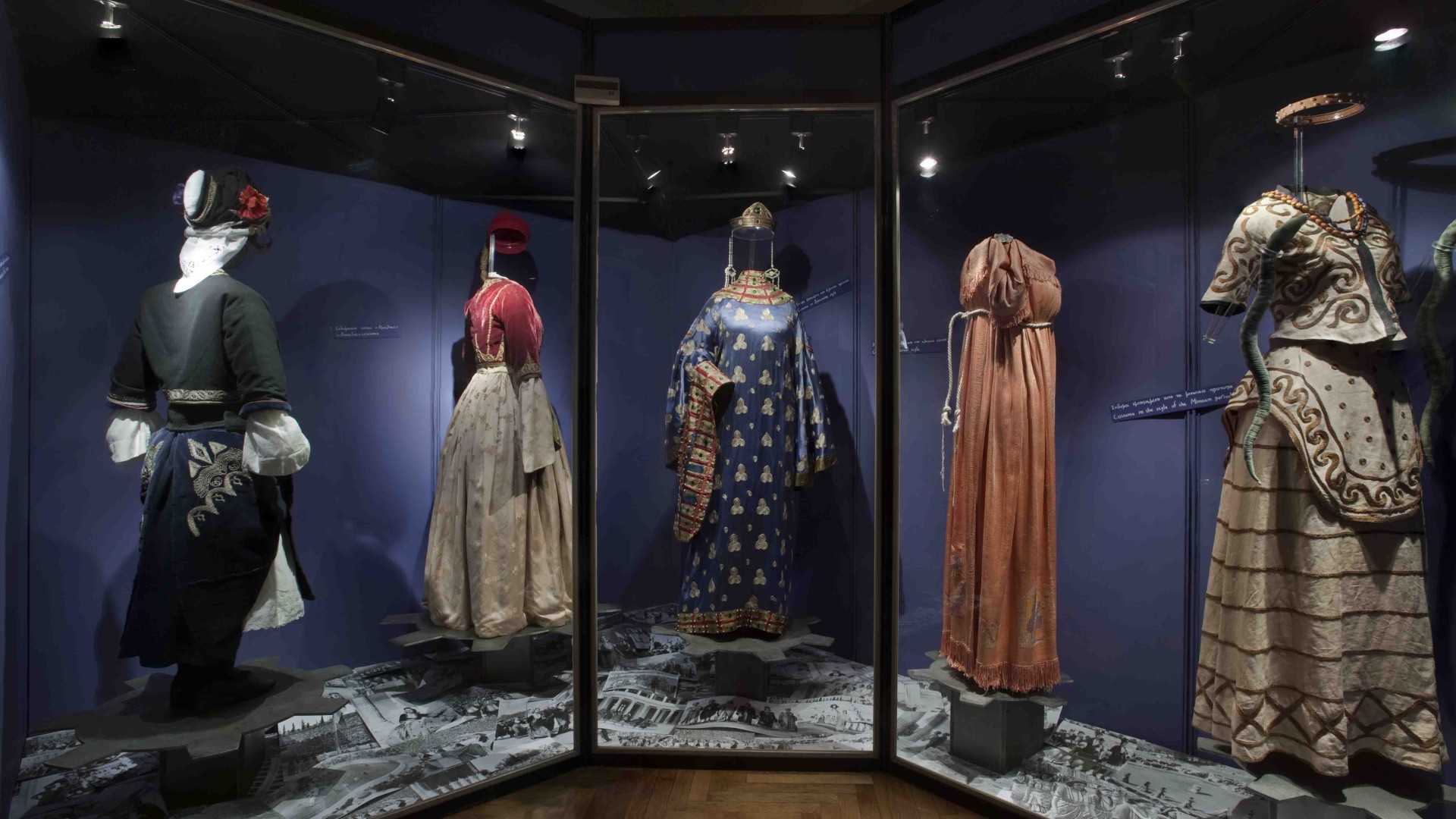
The museum is devoted exclusively to the history of Greek costume and holds a collection of more than 25,000 objects, including authentic regional costumes and jewelry from all parts of the Greek world. Its mission is the collection, preservation, study, and promotion of Greek traditional dress as an important element of the country’s cultural heritage and folk art.
The origins of the collection date back to 1911, when the founder of the Lyceum Club of Greek Women, Kallirhoe Parren, gathered traditional costumes from across Greece for celebrations held at the Panathenaic Stadium in Athens. This initiative became the foundation of the museum’s collection, which was later enriched through donations and acquisitions. Among its most remarkable exhibits are replicas of Minoan, Ancient Greek, and Byzantine costumes, as well as a valuable collection of porcelain dolls dressed in traditional Greek costumes, donated by Queen Olga of Greece in 1914.
Every year, the museum organizes thematic exhibitions that explore different aspects of Greek traditional costume. These exhibitions focus on specific geographical regions, cultural groups, ceremonial traditions such as wedding attire, and decorative elements including scarves and jewelry. The museum also examines the relationship between Greek costume and art, highlighting its influence on Greek painters and cultural identity.
Education and public engagement are central to the museum’s mission. The museum offers educational programs for students, guided tours, seminars, and workshops related to the preservation and wearing of traditional costumes. Through its activities, the museum functions as a vibrant cultural space that promotes the understanding and appreciation of Greece’s rich folk tradition and historical heritage.