Postal and Philatelic Museum of Greece
The Philatelic and Postal Museum of Greece is a unique institution that combines art, history, and technology.
It focuses on the development of postal services and the art of stamp design, showcasing how communication systems and visual culture evolved in Greece over time.
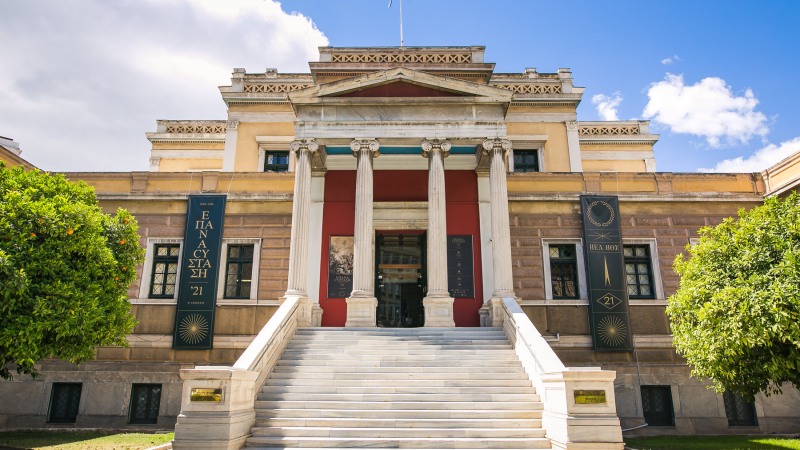
The museum was created by the Hellenic Post (ELTA) and philatelic associations with the aim of preserving and presenting objects related to the history of the postal service in Greece. It was formally established in 1966 and since 1977 has been housed in a neoclassical building next to the Panathenaic Stadium in Athens.
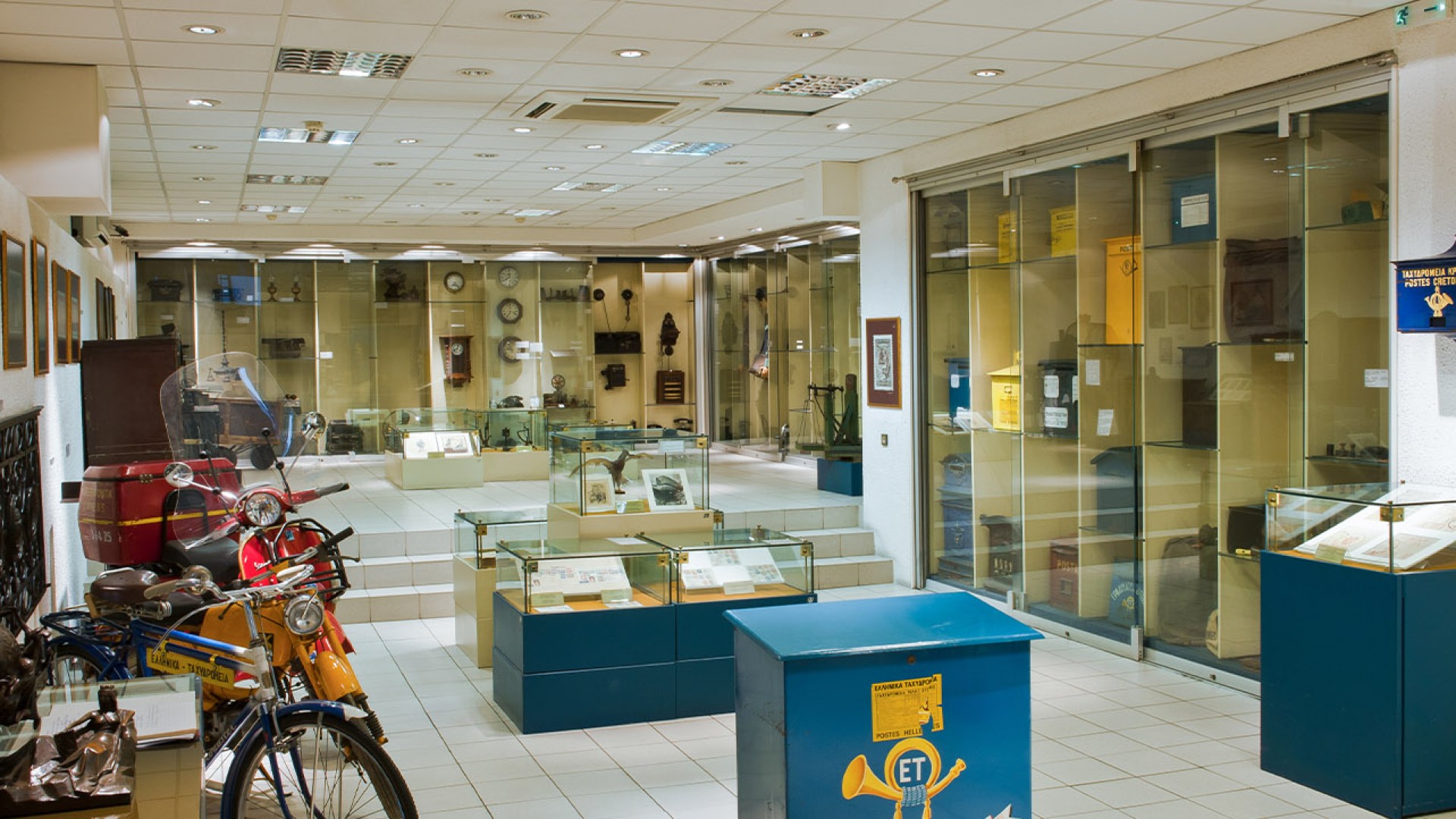
Its collection includes stamps, postal documents, postcards, envelopes, and historical equipment used in postal operations. The museum also displays old machines and devices from postal services, highlighting the technological development of communication methods such as printing, telegraphy, telephony, and electrification.
A distinctive feature of the museum is its strong artistic dimension. Many of Greece’s most important engravers and artists, such as Κεφαλληνός and Τάσσος, contributed to the design of Greek stamps, turning them into small works of art that reflect historical events, cultural identity, and everyday life.
Through its exhibits, the museum allows visitors to trace both the history of Greece and the evolution of global communication systems. It shows how postage materials such as stamps, postcards, and postal orders serve not only practical purposes but also function as cultural and artistic documents of their time.
Today, the museum continues to modernize its facilities while maintaining its educational mission and remains an important cultural space dedicated to the history of Greek philately and postal communication.