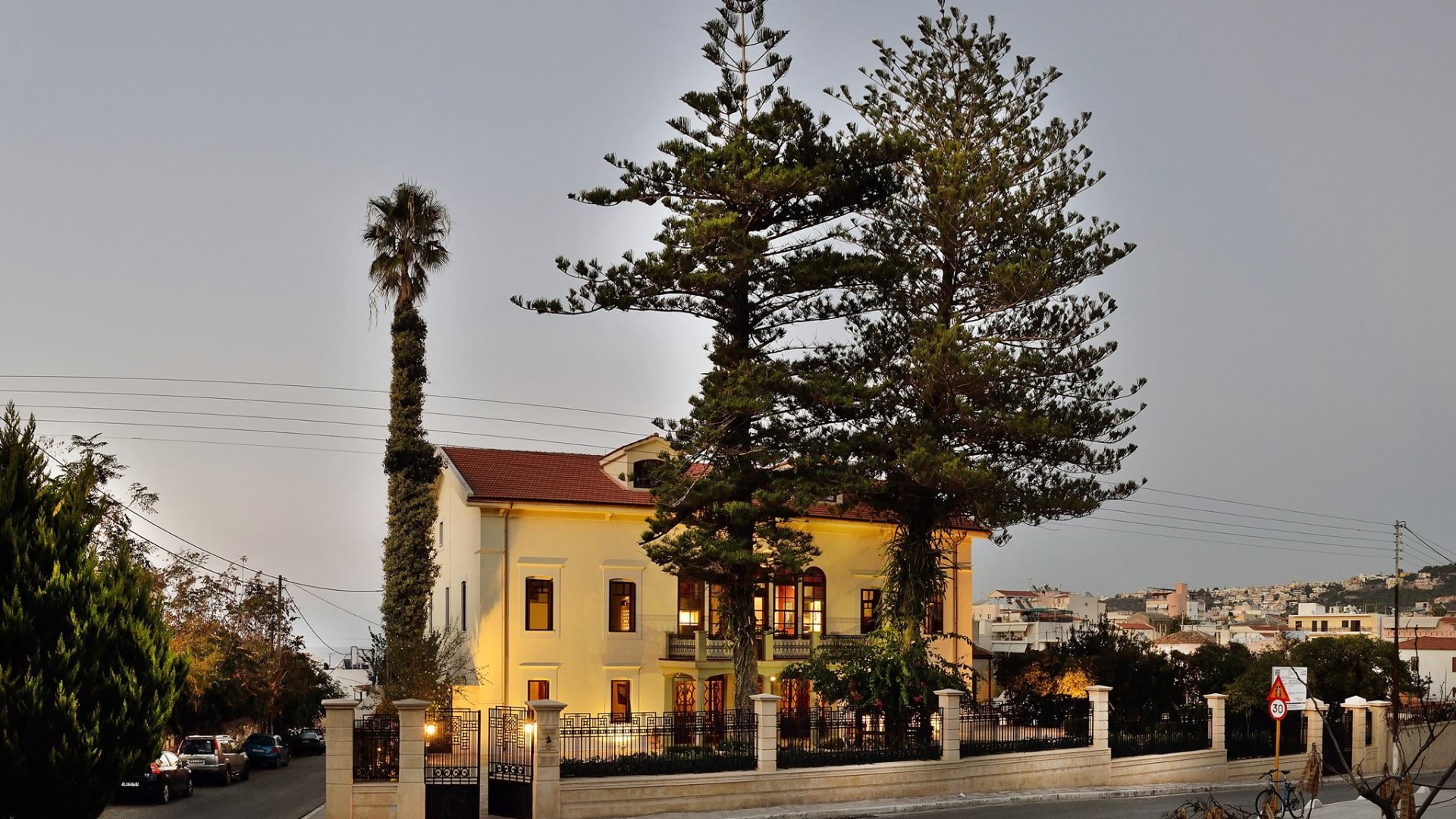
Eleftherios Venizelos Museum of Chalepa
The House Museum of Eleftherios Venizelos in Halepa, Chania, is one of the most important historical house museums in Greece.
It was the family home of Eleftherios Venizelos, one of the most influential Greek statesmen of the modern era, and served as the centre of his personal and political life for more than thirty years, from 1880 to 1910, and later during periods between 1927 and 1935.
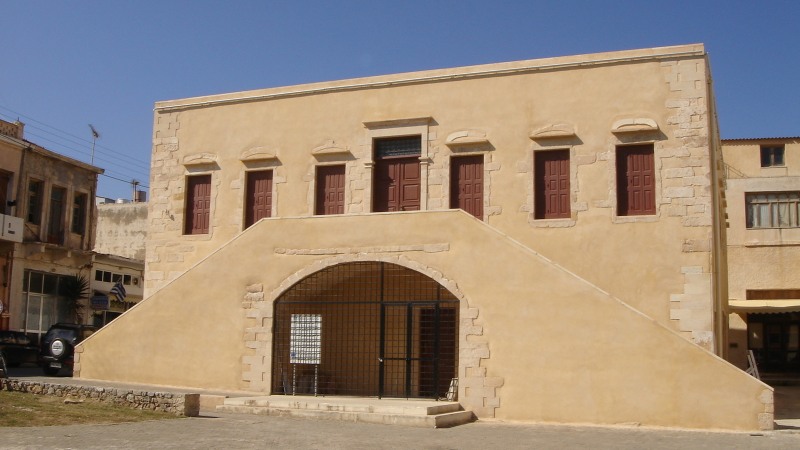
The residence was originally built on land purchased in 1876 by Venizelos’ father, Kyriakos Venizelos, in the heart of the historic district of Halepa. During the late 19th and early 20th centuries, Halepa was an elite neighbourhood of Chania, home to diplomatic residences, foreign consulates, and the palace of Prince George, High Commissioner of Crete. The Venizelos residence reflects the architectural style of the urban villas of the time, combining neoclassical influences with the social atmosphere of cosmopolitan Chania.
The house originally followed the typical layout of upper-class residences of the period, with bedrooms and service spaces on the ground floor and formal reception rooms upstairs. After the death of his father, Eleftherios Venizelos lived there with his family. It was in this home that his sons, Kyriakos and Sophocles, were born, and where his first wife, Maria, passed away.
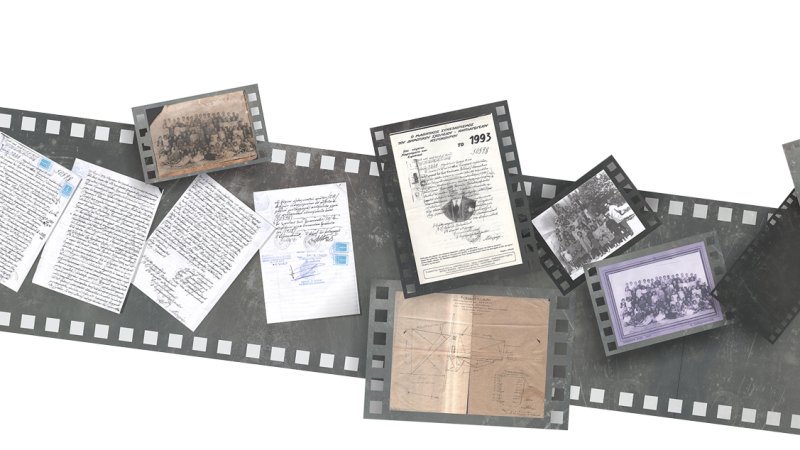
In 1927, after returning from Paris, Venizelos undertook a major renovation of the house under the supervision of architect Stavridis. The residence acquired the form it retains today, strongly reflecting Venizelos’ personal taste and lifestyle. Much of the furniture, decorative objects, photographs, and personal belongings remain authentic and preserved in their original positions, making the house an exceptionally valuable documentary museum.
During the Battle of Crete in 1941, the house suffered bomb damage and was later used by German occupation forces as military headquarters. Following the war, members of the Venizelos family restored and preserved the building. In 2002, the Greek Ministry of Finance purchased the property and transferred it to the National Research Foundation “Eleftherios K. Venizelos.” Extensive restoration and museum conversion works followed, and the museum officially opened to the public in 2015.
Today, the museum consists of three floors and eighteen exhibition points. The ground floor and much of the first floor preserve the original domestic atmosphere of the Venizelos family home, while additional thematic sections explore Venizelos’ life and career through categories such as “The Revolutionary,” “The Politician,” “The Diplomat,” “The Human Being,” and “The Myth.” The museum also presents authentic historical objects connected to assassination attempts against him, including personal belongings and archival material.
The House-Museum combines historical authenticity with modern museum practices and interactive educational technologies. More than simply preserving a historic building, it offers visitors an immersive encounter with modern Greek history and with the life of a statesman whose influence shaped the political course of Greece during the 20th century.