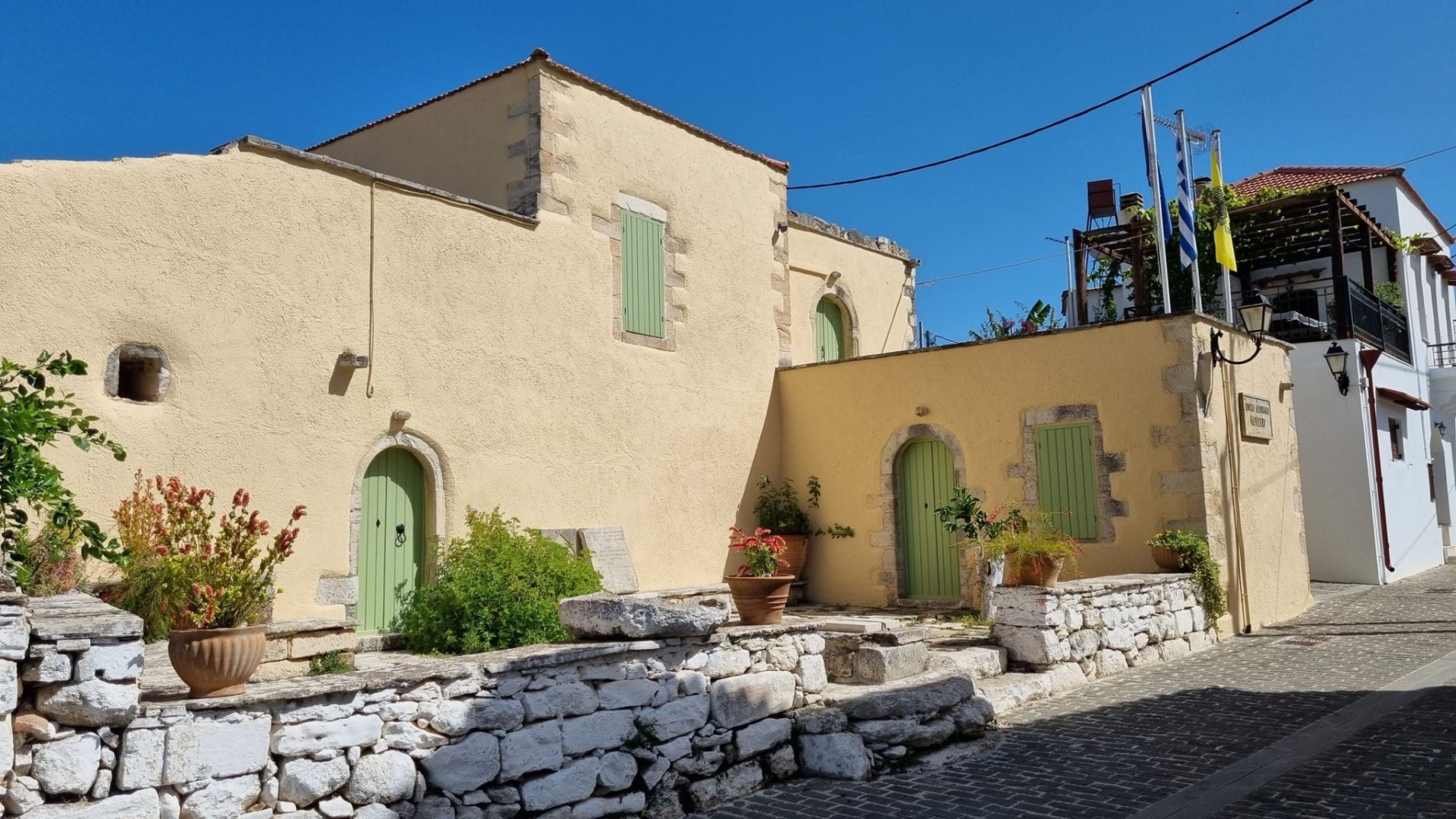
Folklore Museum of Gavalochori
The Folklore Museum of Gavalochori is a charming cultural museum located in the traditional village of Gavalochori in Crete.
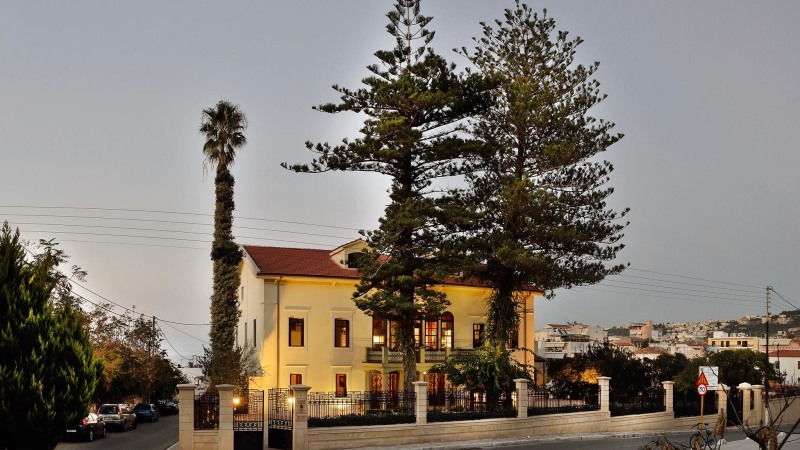
Housed in a restored traditional Cretan home painted in ochre tones with green shutters and doors, the museum offers visitors a vivid journey into the everyday life, customs, and artistic traditions of rural Crete.
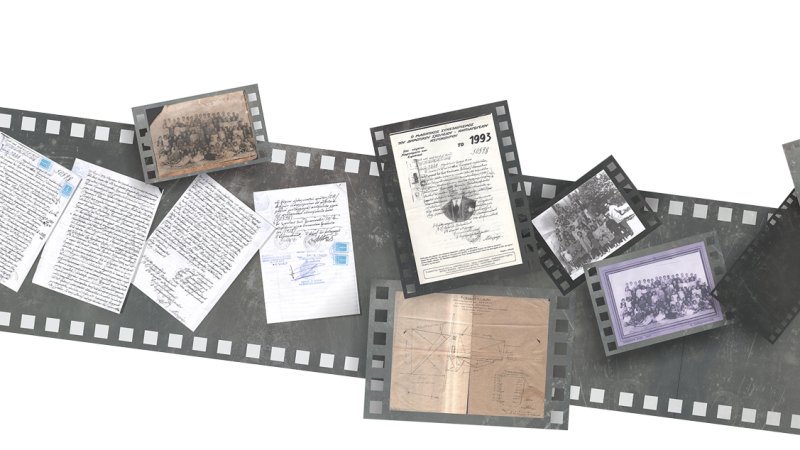
Founded in 1965 through the efforts of Vasileios Fronimakis, president of the village at the time, the museum was created to preserve the historical, archaeological, and folkloric heritage of the region. Villagers donated family heirlooms, tools, textiles, and historical objects, helping to build a rich collection that reflects the social and cultural identity of Gavalochori. In 1993, the museum moved to its current location, a traditional house donated by Giorgos and Maria Stilianakis, descendants of the last family who lived there.
The museum presents many aspects of traditional Cretan life, including lace-making, weaving, farming, pottery, wood carving, and stone carving. Among its most impressive exhibits are handmade lace fabrics and wedding dresses crafted from silk thread produced by local silkworms fed on mulberry leaves. These works demonstrate the remarkable skill of local women, who learned lace-making techniques from an early age and used them both artistically and economically within village society.
Another unique exhibit is a traditional bed that also functioned as a wine press, revealing the practical and multifunctional design of old village homes. Visitors can also see authentic household objects such as olive-oil lamps, bread-making tools, weaving looms, storage jars, coffee grinders, and charcoal-heated irons, all illustrating the simplicity and ingenuity of traditional domestic life.
The architecture of the museum itself is an important part of the experience. The stone arches, inner courtyard, cistern for collecting rainwater, and traditional kitchen with its fireplace and bread oven all preserve the atmosphere of a historic Cretan house. The courtyard also includes hand-carved stone basins once used for washing clothes.
One of the museum’s most remarkable treasures is the large carved wooden iconostasis displayed on the upper floor. Created in the early 19th century from local cypress wood, this intricate ecclesiastical screen features religious scenes, floral motifs, and decorative carvings. It is believed to have been removed from the nearby Church of Saints Sergius and Bacchus in order to protect it during Ottoman rule.
The museum also contains historical paintings, weapons, coins, Byzantine and Venetian artifacts, and objects connected to the struggles of the Cretan people and the history of modern Greece. Through these collections, the Folklore Museum of Gavalochori preserves the memory, craftsmanship, and traditions of Crete while offering visitors an authentic insight into the island’s cultural heritage.