Byzantine Museum of Antivouniotissa Corfu
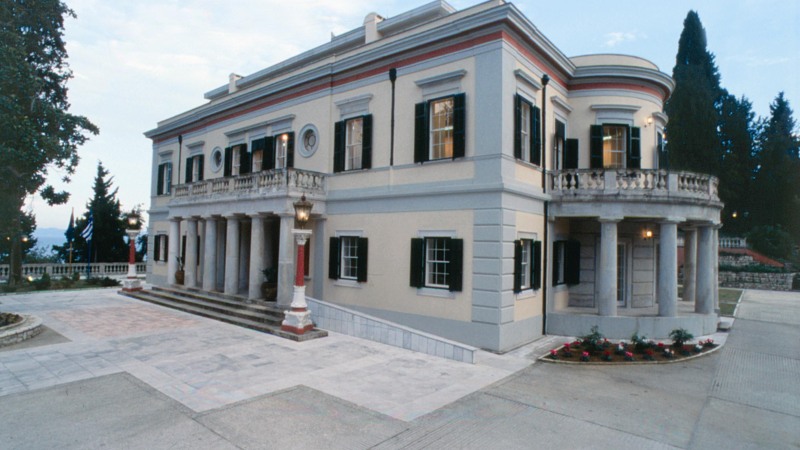
The Antivouniotissa Museum is housed in the Church of the Virgin Mary (Kyra Antivouniotissa) in the city of Corfu.
The church dates back to the late 15th century and is one of the oldest and most important ecclesiastical monuments on the island. Despite its transformation into a museum, it still preserves its religious character and continues to function as a place of worship twice a year on major feast days of the Virgin Mary.
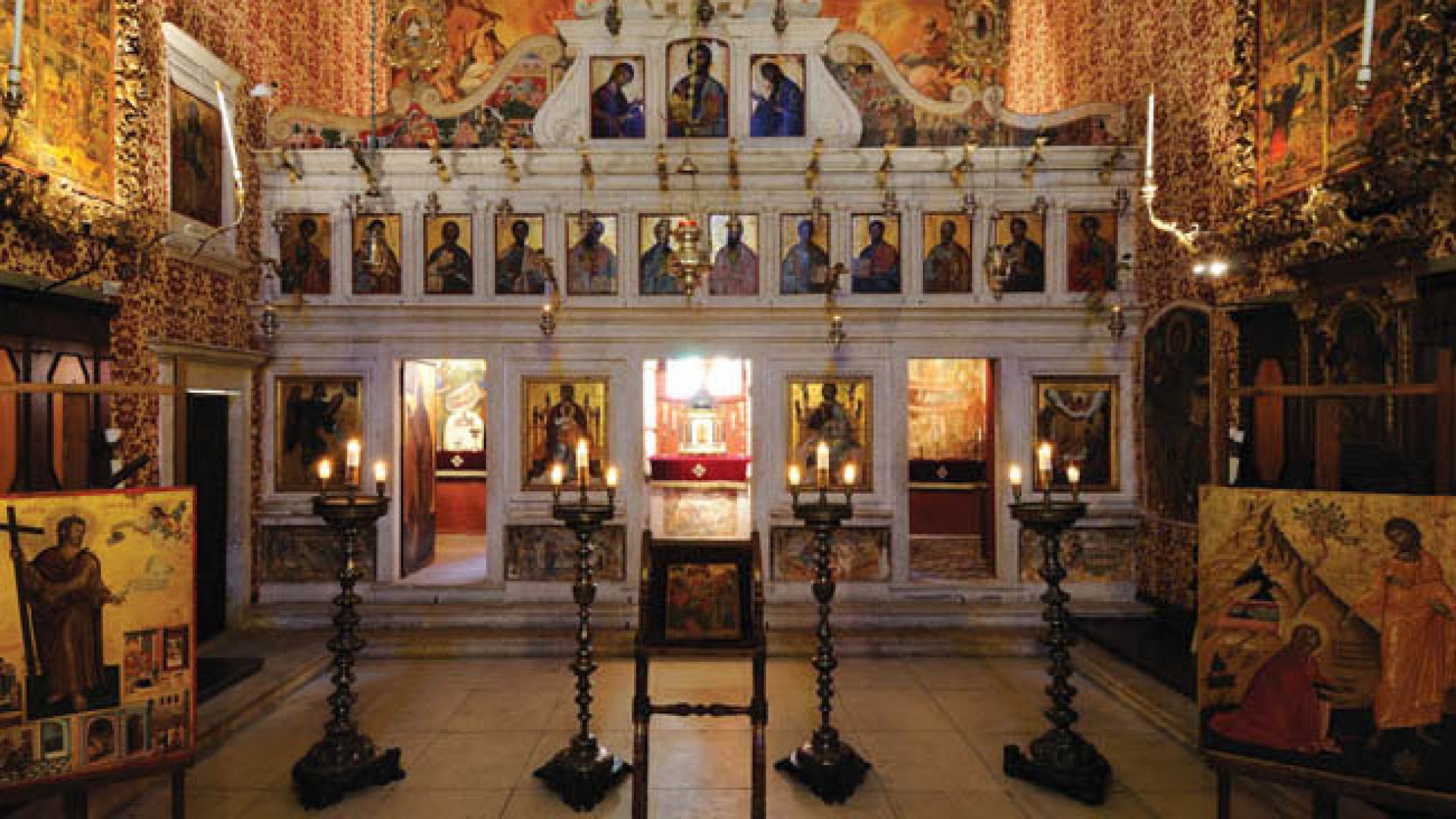
The building is a single-aisled, timber-roofed basilica with an outer narthex, a characteristic feature of the Ionian ecclesiastical architectural tradition. The interior is particularly impressive, featuring a carved wooden iconostasis, painted wall decorations, and tomb slabs of noble and prominent Corfiot families, which closely connect the monument with the island’s history.
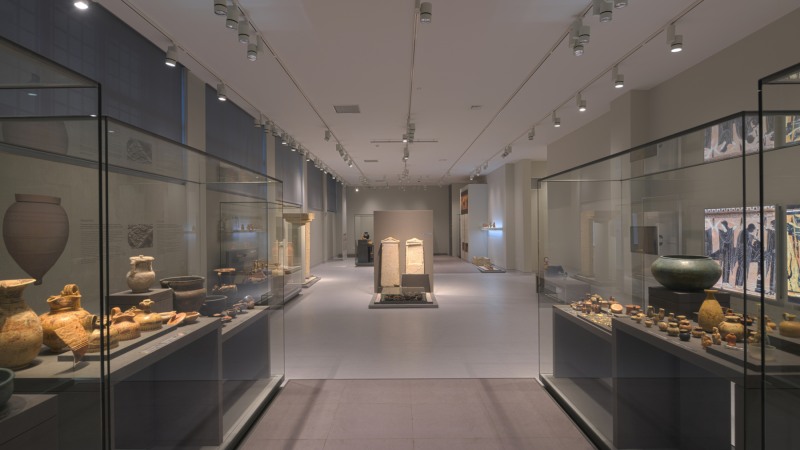
The museum was officially established in 1984, when the church was donated to the Greek state on the condition that it would function as a museum space. Its collection includes around 90 portable icons and ecclesiastical artefacts dating from the 15th to the 19th century, illustrating the development of post-Byzantine and Ionian religious art.
The exhibits include works by important icon painters such as Michael Damaskinos, Emmanuel Tzanes, and Theodoros Poulakis, reflecting the transition from Byzantine tradition to the Cretan and Ionian schools of painting. A key feature of the collection is the strong artistic exchange between Crete, the Ionian Islands, and Western Europe, especially during the Venetian period.
Today, the Antivouniotissa Museum offers visitors a unique experience, combining the sacred atmosphere of a historic church with the rich artistic heritage of Corfu, presenting six centuries of ecclesiastical art and cultural history.