Archaeological Museum of Ancient Corinth
The Archaeological Museum of Ancient Corinth is located within the archaeological site of Ancient Corinth, one of the most important city-states of ancient Greece.
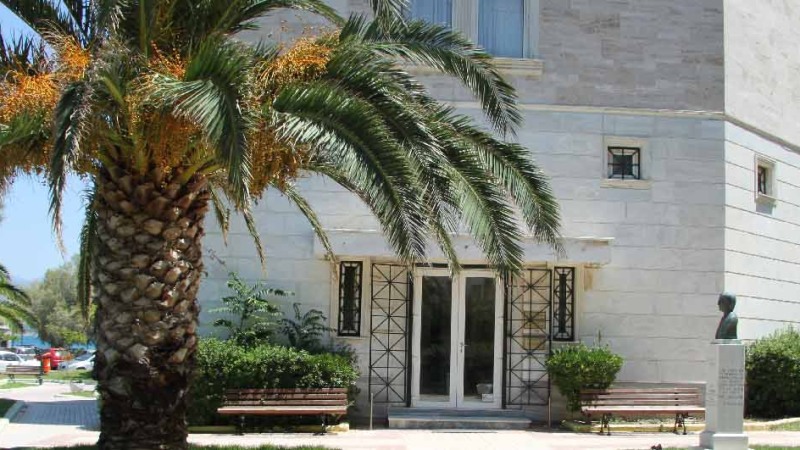
It was built in 1931–1932 by the American School of Classical Studies at Athens in order to house and display the rich archaeological material uncovered during excavations in the area.
The museum building was designed by architect Stuart Thompson and reflects influences of the “Chicago School” of architecture. It was constructed thanks to a donation by Ada Small Moore. In 1951, the building was expanded to the west, creating additional space organized around two atriums. Further renovations and upgrades were carried out during the early 21st century, including major improvements funded through European programmes, allowing the museum to modernize its exhibition spaces and presentation methods.
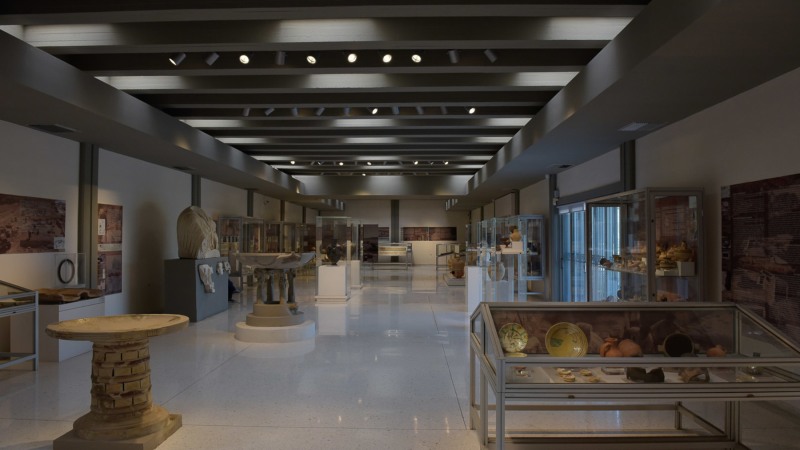
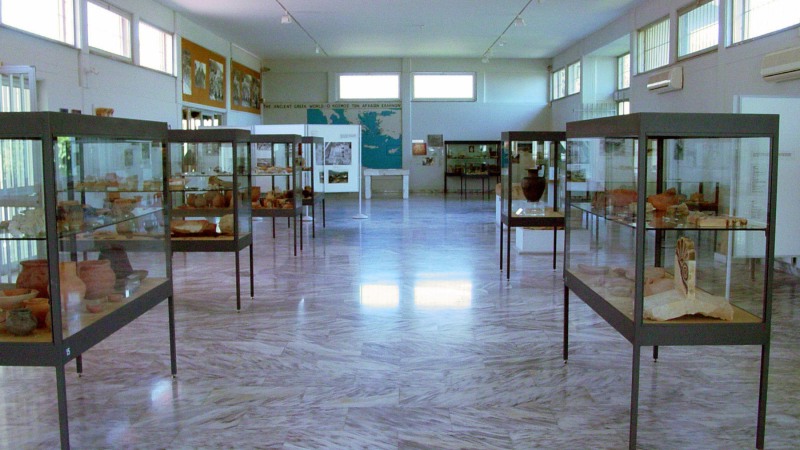
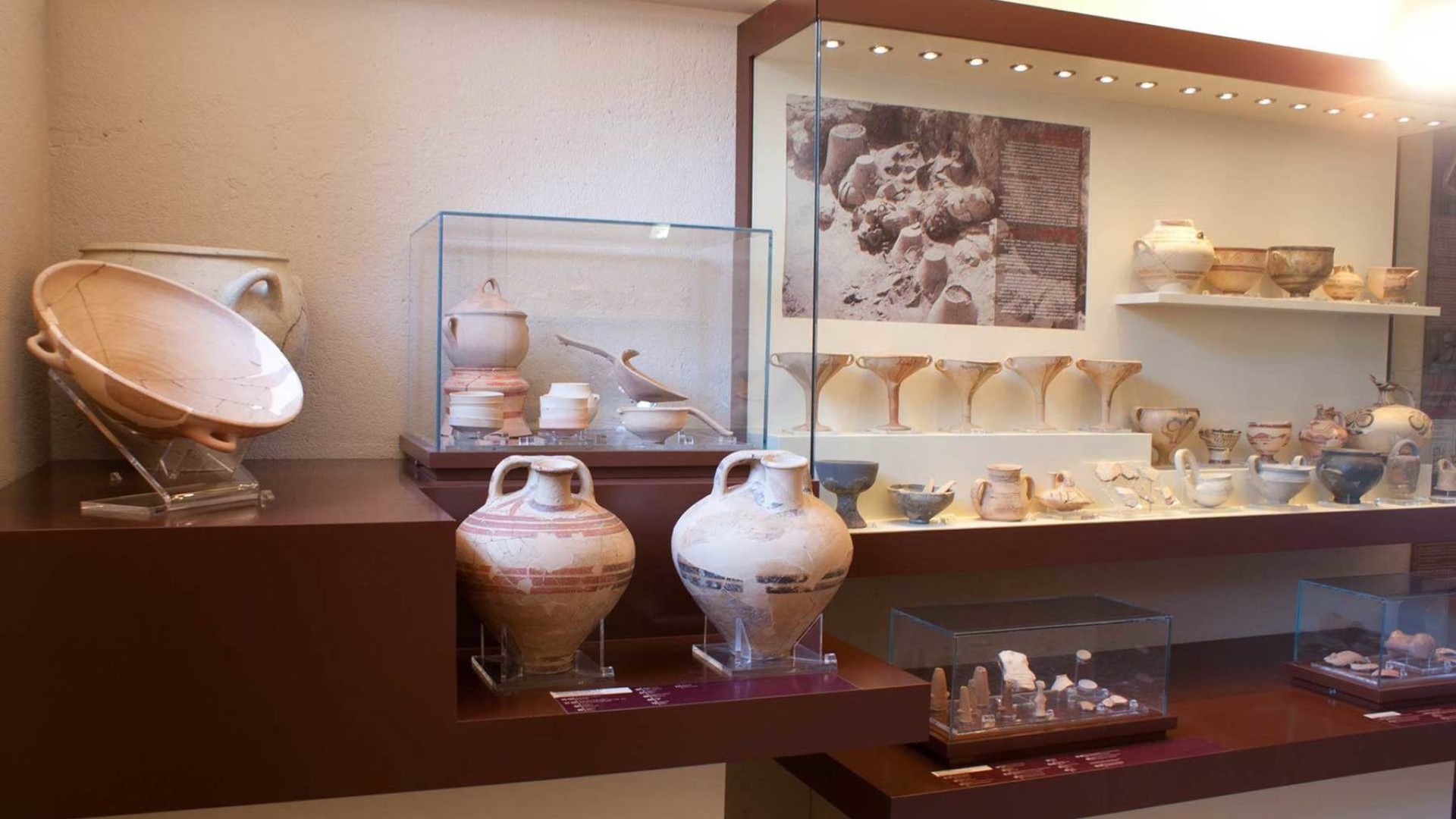
The museum’s permanent exhibition presents the long and continuous history of Ancient Corinth, from prehistoric times through the Geometric, Archaic, Classical, Hellenistic, Roman, and Byzantine periods. Its collections include pottery, sculptures, inscriptions, mosaics, and ritual objects, many of which come from major sanctuaries, cemeteries, and public buildings of the ancient city.
Among the most notable exhibits are the Twin Kouroi from ancient Tenea, exceptional examples of Archaic sculpture, as well as finds from the Sanctuary of Asklepios, including clay votive offerings shaped as human body parts, reflecting ancient healing practices. The museum also displays material from the prehistoric settlements of the region, such as Korakou and Zygouries, which demonstrate early human activity in the Corinthian area.
The Roman gallery highlights Corinth’s transformation into a Roman colony, showcasing sculptures, mosaics, inscriptions, and everyday objects from villas and public spaces. A special section is dedicated to repatriated antiquities that were returned after being illegally removed from Greece.
Today, the Archaeological Museum of Ancient Corinth serves as a key cultural institution that not only preserves the archaeological heritage of the region but also helps visitors understand the historical importance and cultural development of one of the most powerful ancient Greek cities.