Archaeological Museum of Nemea
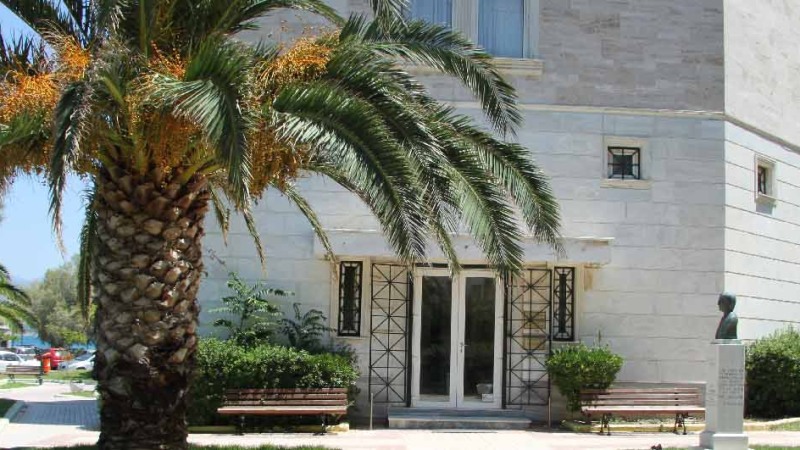
The Archaeological Museum of Nemea is located at the entrance of the archaeological site of the Sanctuary of Zeus in ancient Nemea, Corinthia, Greece.
It was constructed as part of the excavation project carried out by the University of California at Berkeley, with financial support from American donors, and was officially donated to the Greek state in 1984.
The museum building was designed to serve both as a protective space for important archaeological finds and as an interpretive centre for visitors to the sanctuary. Its construction is closely connected to the long-term archaeological research conducted in the region by international and Greek teams.
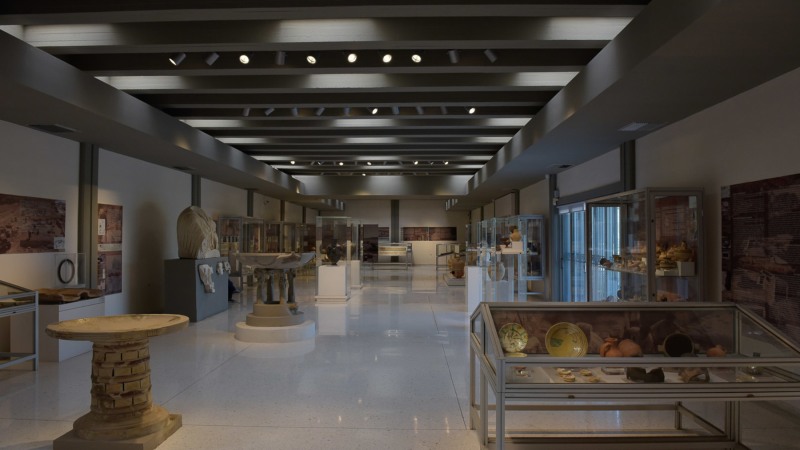
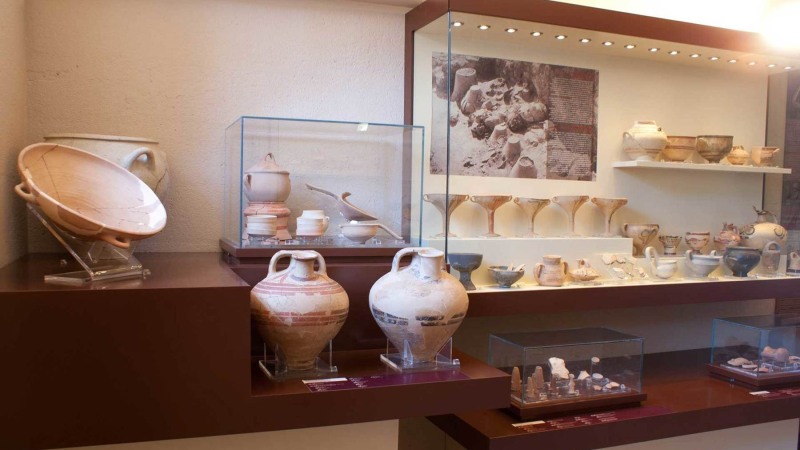
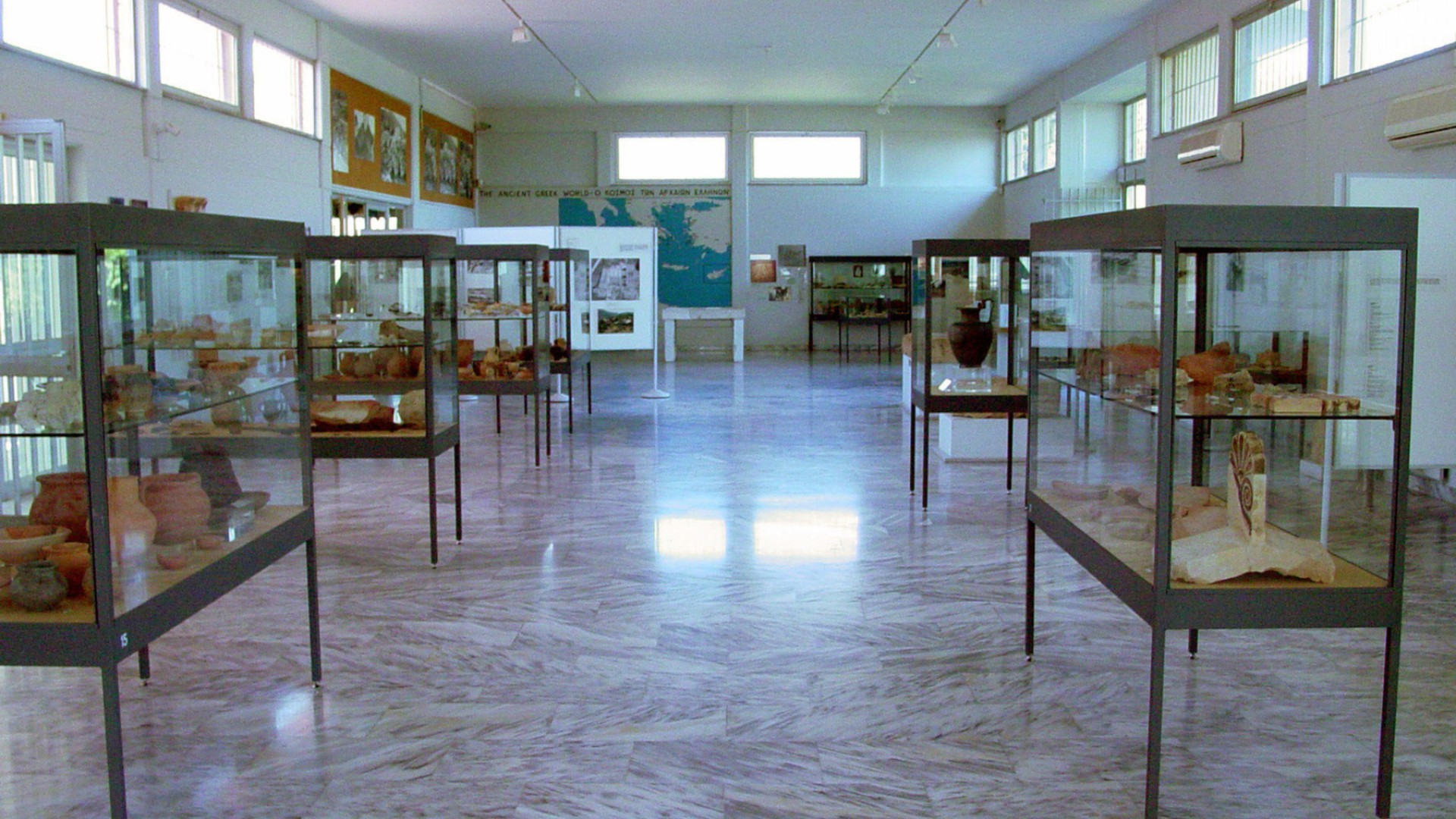
The museum’s collections cover a broad chronological range, from the Chalcolithic and Early Helladic periods through to the Early Byzantine era. The exhibits originate from ancient Nemea and surrounding areas such as Kleones, Phlious, and the Mycenaean cemetery of Aidonia.
Among the most important finds are gold jewellery from the 15th century BC, as well as pottery, tools, weapons, and everyday objects that reflect prehistoric life in the region. The museum also displays artefacts connected to the famous athletic games of Nemea, including items related to the sanctuary’s role as a major Panhellenic religious and sporting centre.
Additional collections include architectural fragments from ancient monuments, coins, inscriptions from Nemea and neighbouring cities, as well as visual material such as drawings and depictions of the site by travellers from the 18th to the 20th century. These help illustrate the historical importance and continuous human presence in the area.
Today, the Archaeological Museum of Nemea provides visitors with a comprehensive understanding of the sanctuary, its excavations, and the cultural significance of one of the most important religious centres of ancient Greece.