Archaeological Museum of Messara
The Archaeological Museum of Mesara is a modern museum dedicated exclusively to the antiquities of the Mesara region in Crete.
Its creation responded to a long-standing demand from local communities and archaeologists, aiming to highlight the unique historical identity of an area inhabited continuously from prehistory to the Middle Ages.
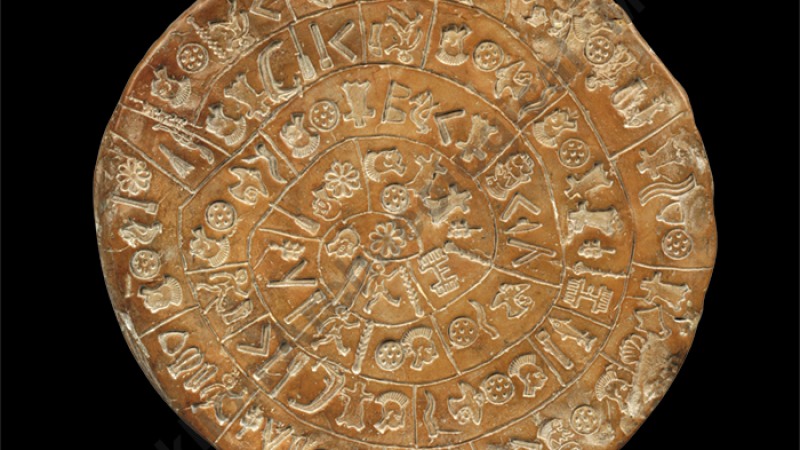
The museum’s permanent exhibition, titled “Among Mountains: Human Presence in Mesara from Prehistoric to Christian Times”, explores how the region’s distinctive geography—situated between mountain ranges—shaped the development of human civilization. Through a combination of traditional displays and modern digital technologies, the exhibition connects artifacts with their archaeological landscapes, helping visitors understand the relationship between place and history.
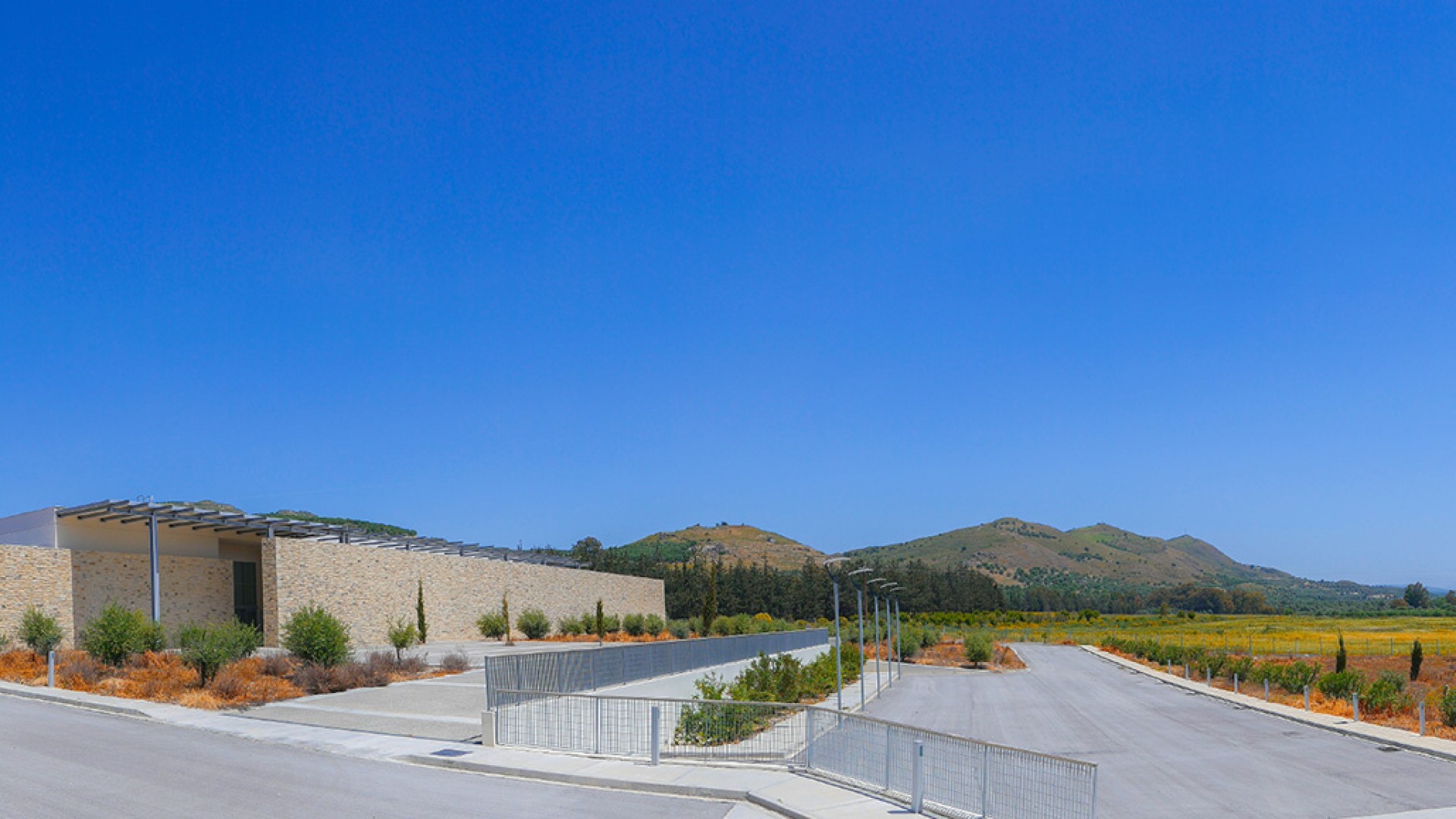
The museum complex covers a large area and includes exhibition halls, an internal courtyard used for educational and cultural activities, a lecture and projection hall, temporary exhibition spaces, conservation laboratories, a shop, and a café. The building was completed through European funding programs and officially opened to the public on 22 April 2023.
The exhibition is organized topographically and chronologically, presenting the major settlements of the Mesara plain across three main historical periods: Prehistoric times, the Greco-Roman period, and the Christian era. Special emphasis is placed on Gortyna, one of the most important ancient cities of Crete, near which the museum is located.
Beyond its role as an exhibition space, the museum aims to function as a cultural hub that connects the numerous archaeological sites of the region. It serves as a starting point for exploring Mesara’s archaeological landscape and promotes educational activities for students and visitors, encouraging a deeper understanding of local heritage.
The museum also plays an active role in protecting and promoting cultural heritage through events, temporary exhibitions, and collaborations with archaeologists and researchers. By engaging the local community and visitors alike, it seeks to make the history of Mesara accessible, meaningful, and relevant to all generations.