Municipal Ethnographic Museum of Ioannina
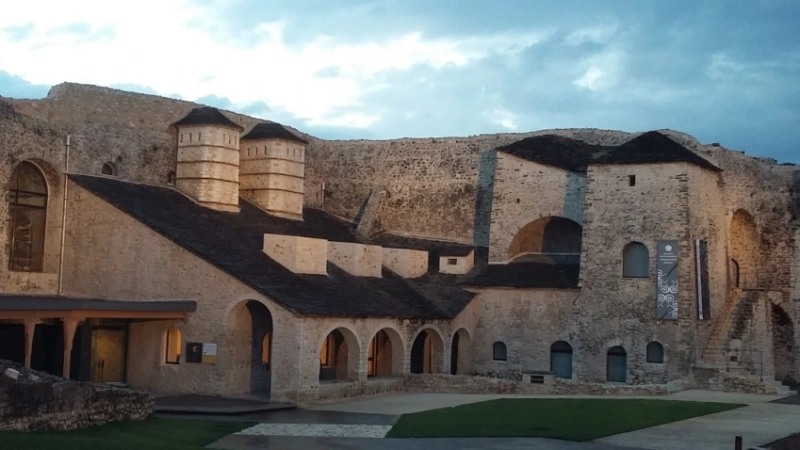
The Municipal Ethnographic Museum of Ioannina is housed in the historic Aslan Pasha Mosque within the Castle of Ioannina.
Built in 1617–1618 by Aslan Pasha, the complex originally included the mosque, a madrassa (Islamic seminary), and auxiliary buildings, forming one of the most important Ottoman religious and educational centers in the city. It is believed to have been constructed on the site of the former Byzantine church of Saint John.
Since 1933, the mosque has functioned as a museum, while its current renovated form dates from 1993. Today, the museum presents the multicultural history of Ioannina through collections representing the city’s three historical communities: the Christian, Jewish, and Muslim communities.
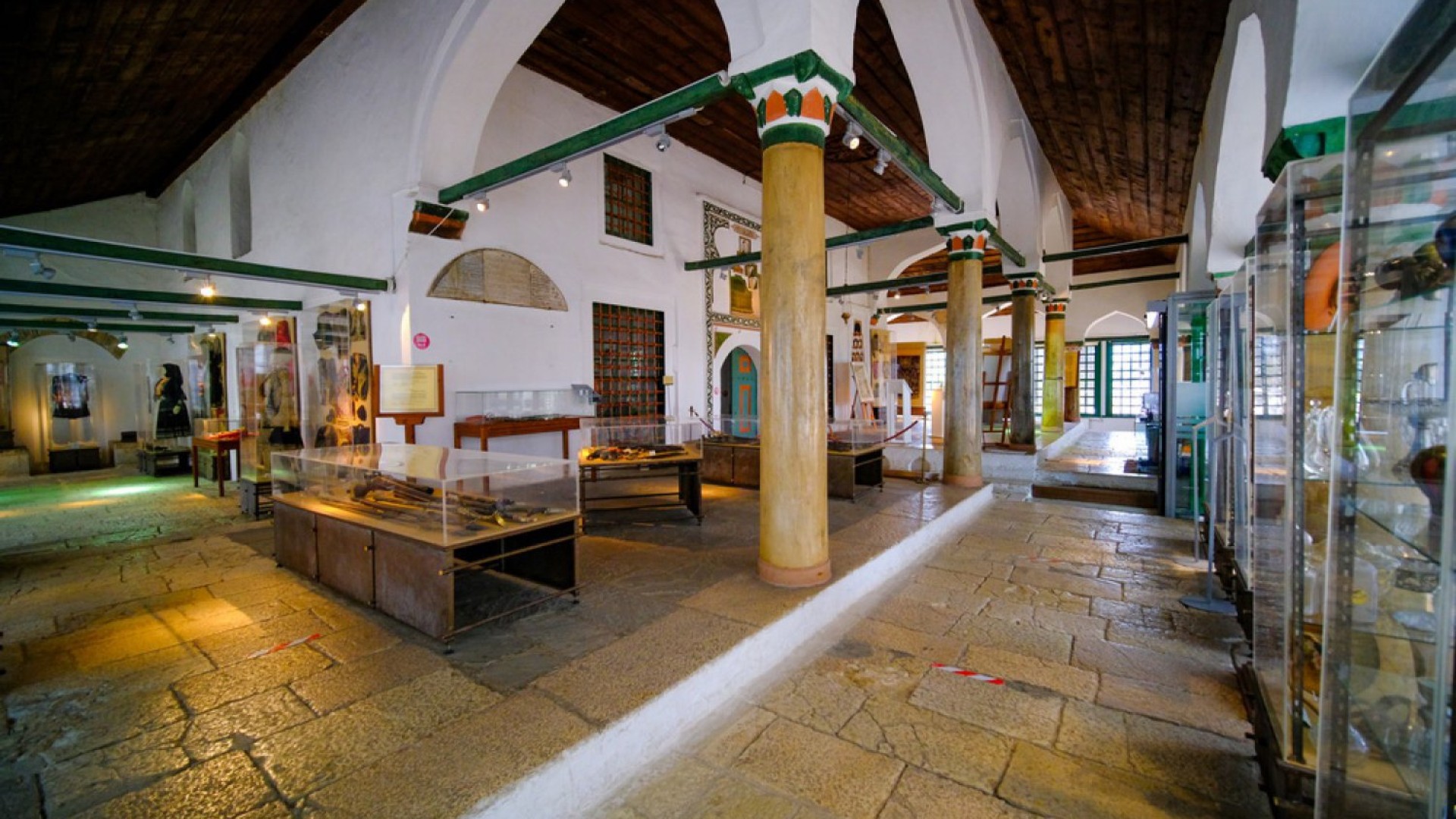
The museum’s exhibits include decorative and everyday objects dating from the 18th to the 20th centuries, such as ceramics, textiles, jewelry, weapons, traditional costumes, furniture, manuscripts, and personal belongings of important historical figures. Visitors can also see photographs and paintings connected to the liberation of Ioannina and the city’s modern history.
The Christian collection features ecclesiastical silverware, liturgical vestments, and religious books from the collection of Archbishop Spyridon. The Jewish collection preserves important objects from the once-thriving Jewish community of Ioannina, including synagogue curtains and traditional costumes. The Muslim collection, displayed in the central hall, includes oriental fabrics from the 16th to 18th centuries, carved wooden furniture, ivory objects from the era of Ali Pasha, bronze items, and Islamic manuscripts.
Today, the Municipal Ethnographic Museum of Ioannina stands as an important cultural institution, preserving and showcasing the rich religious, social, and artistic heritage of the city through permanent and temporary exhibitions.