Monemvasia Archaeological Collection
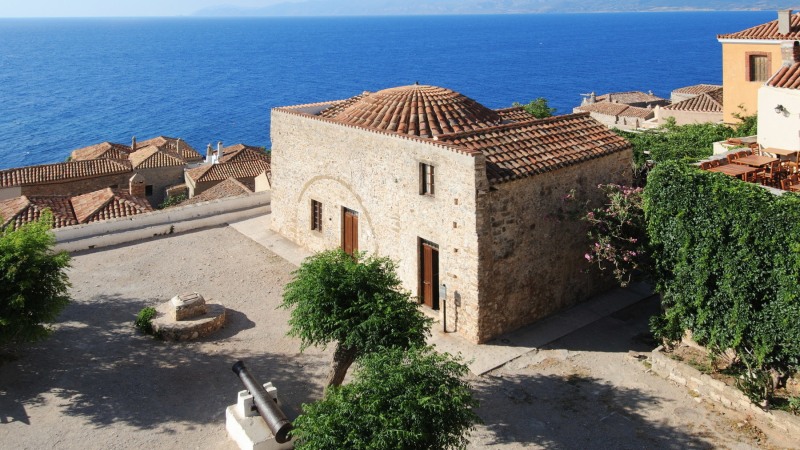
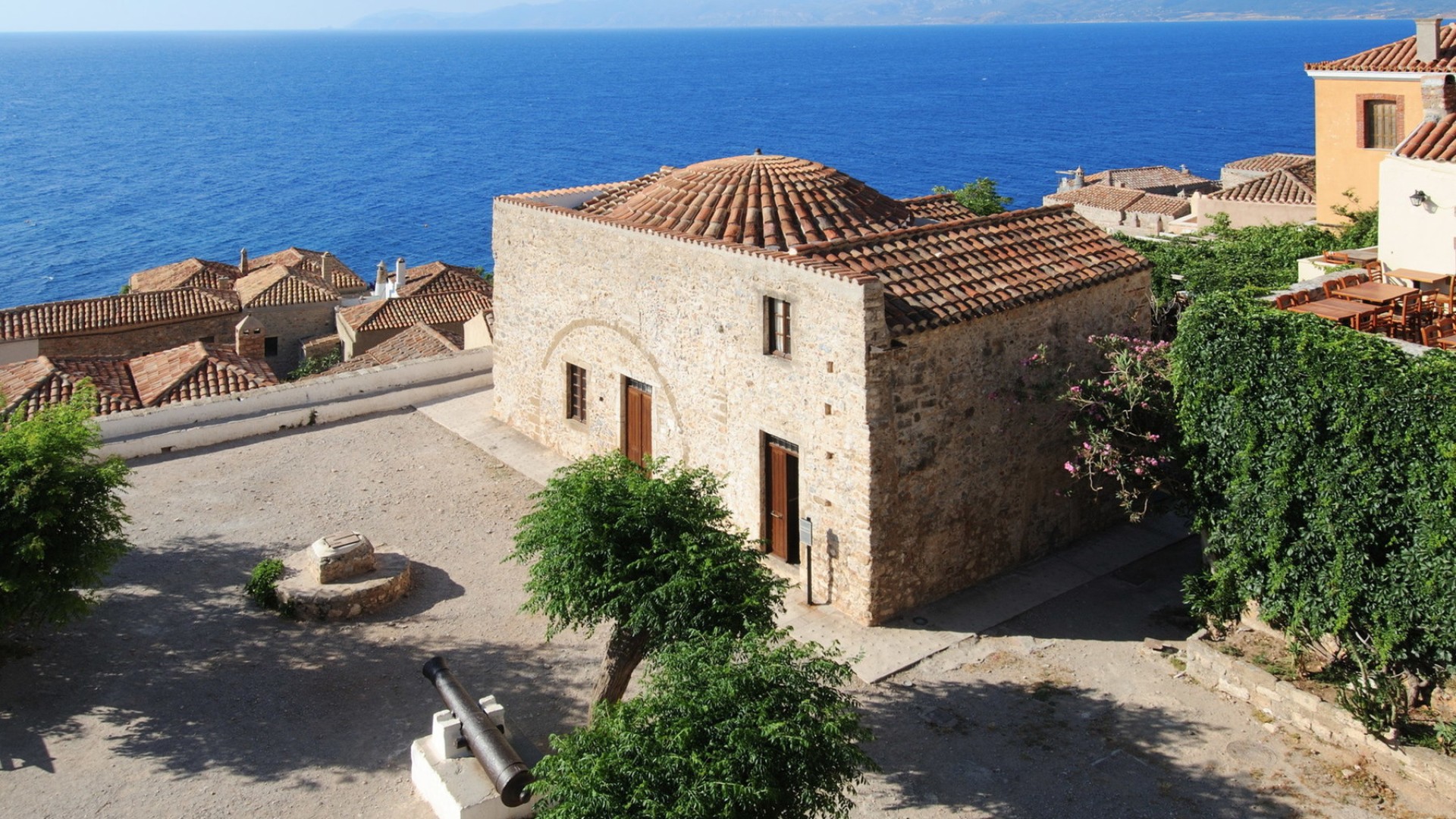
The Archaeological Collection of Monemvasia is housed in a historically significant preserved building with a complex architectural and functional history.
Originally constructed as an Ottoman mosque in the 16th century, it was later converted during the Second Venetian occupation (1690–1713) and subsequently used as a prison and a café after the Greek War of Independence. Today, its transformation into a museum space gives the building a renewed cultural identity.
The collection presents finds from the castle town of Monemvasia, which was an important urban and commercial center from the 6th century AD through the late Ottoman period. Its strategic position along key maritime routes, its thriving trade—most notably the famous Malvasia wine—and its vibrant intellectual and artistic life contributed to the city’s historical prominence.
The permanent exhibition includes sculptures, pottery, inscriptions, and small artifacts that illuminate aspects of both public and private life. Through these objects, visitors gain insight into the social structure, religious practices, and everyday activities of the inhabitants from the Early Christian period to Ottoman times.
A special section is dedicated to architectural sculpture, including coats of arms and reliefs from the Venetian and Frankish periods, as well as elements related to the city’s water supply system, such as fountain slabs and cistern components. Pottery and small finds further enrich the depiction of daily life within the fortified settlement.
The Archaeological Collection of Monemvasia serves primarily an educational and interpretative role, contributing to a deeper understanding of the historical continuity and cultural identity of one of Greece’s most important medieval towns.