Archaeological Museum of Delos
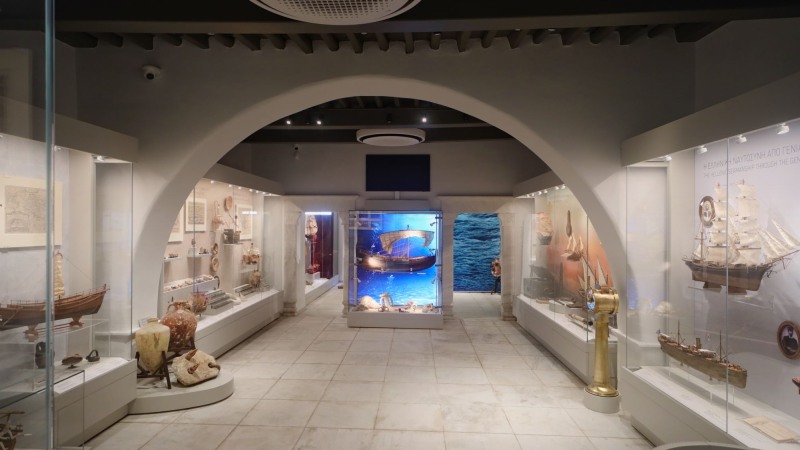
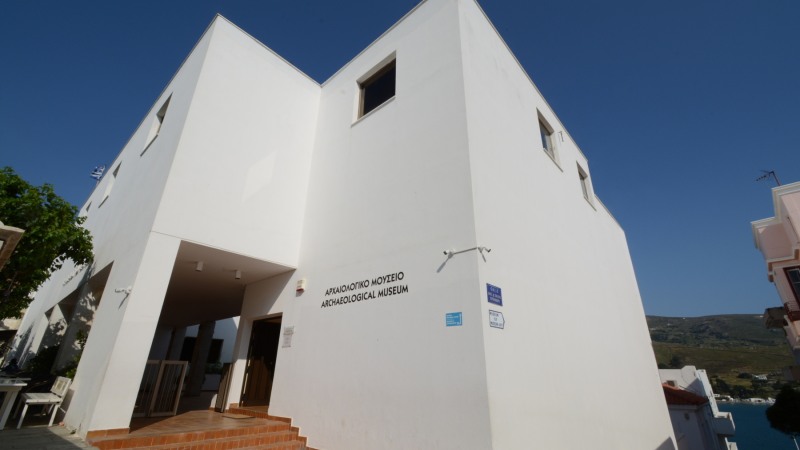
The Archaeological Museum of Delos is located on the island of Delos and is one of the most important museums in the Cyclades.
It was established in 1904 to house the finds from the ongoing excavations carried out in the archaeological site of Delos by the French School at Athens, which began in 1872.
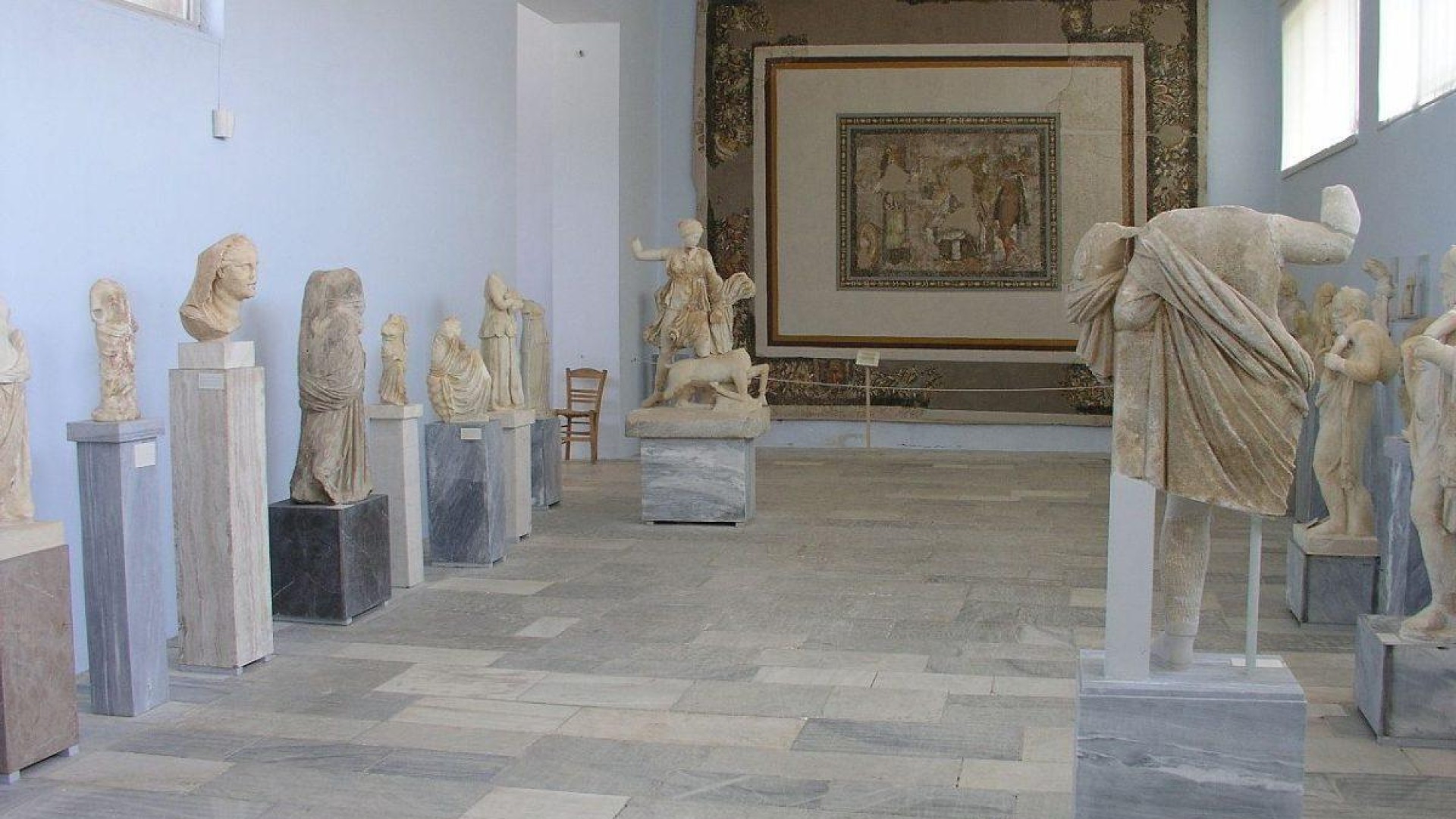
The museum contains significant collections from both Delos and the nearby island of Rineia, covering a wide chronological range from prehistoric times to the Roman period. Among its most notable exhibits are sculptures and reliefs, including the famous Lions of Delos, which symbolize the sacred island of Apollo.
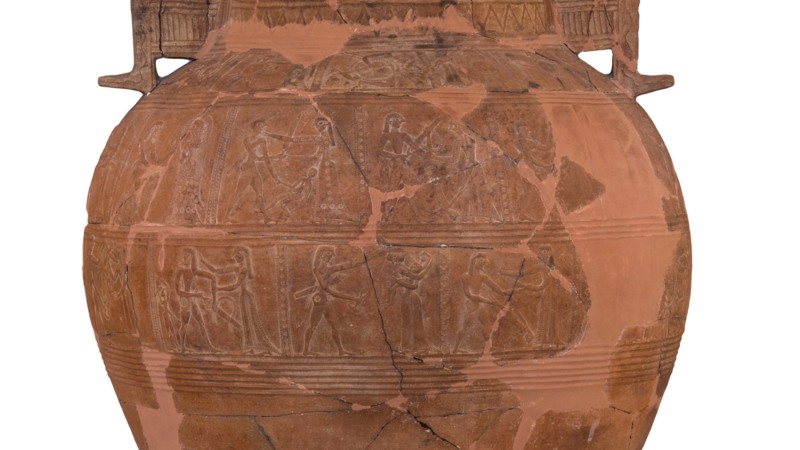
The collections also include pottery dating from the 3rd millennium BC to the Hellenistic and Roman periods, figurines, jewellery, and a variety of small objects and household items from the private homes of ancient Delos. Particularly impressive are the mosaic floors and funerary monuments that reflect the daily life and prosperity of the ancient city.
The museum building has been expanded several times and now includes nine exhibition rooms. Although it houses a large part of the finds from Delos, many important artefacts are also displayed at the National Archaeological Museum in Athens.
Since 1990, the archaeological site of Delos has been listed as a UNESCO World Heritage Site, highlighting its exceptional cultural significance as one of the most important religious and commercial centres of the ancient Greek world.