Archaeological Museum of Mykonos
The Archaeological Museum of Mykonos is one of the island’s most important cultural landmarks, showcasing the rich history and artistic heritage of the Cyclades from prehistoric times to the Hellenistic period.
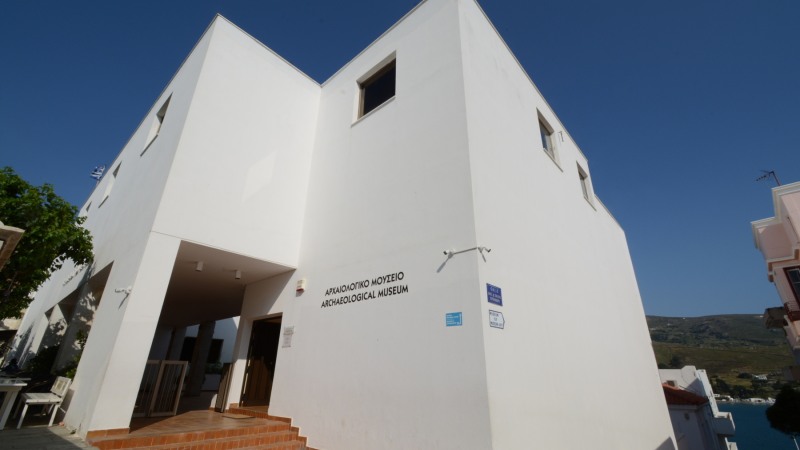
Built in 1902, the museum was originally created to house the remarkable finds discovered in 1898 on the nearby islet of Rheneia, particularly from the famous “Purification Pit” dating to 426/5 B.C. The museum was designed by architect Alexandros Lykakis, funded by the Ministry of Education and the Archaeological Society of Athens, while the land was donated by the Municipality of Mykonos.
The building initially followed a neoclassical architectural style, but in 1934 it was remodeled into the island-style form seen today. An additional exhibition hall was added in 1972, expanding the museum’s display areas and allowing for a richer presentation of its collections.
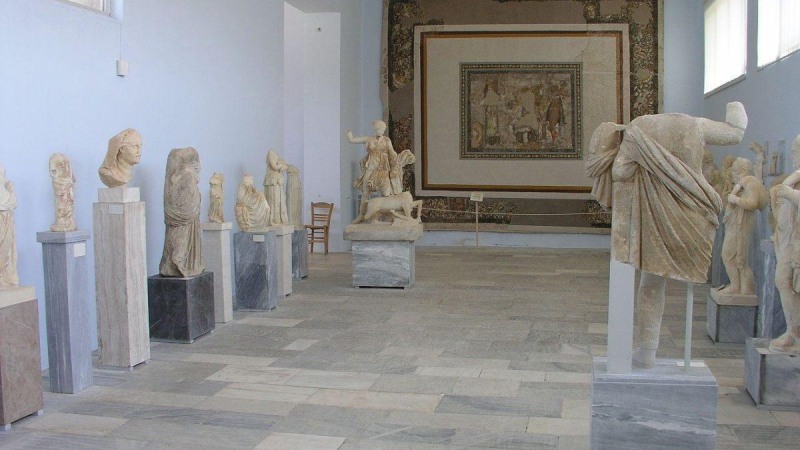
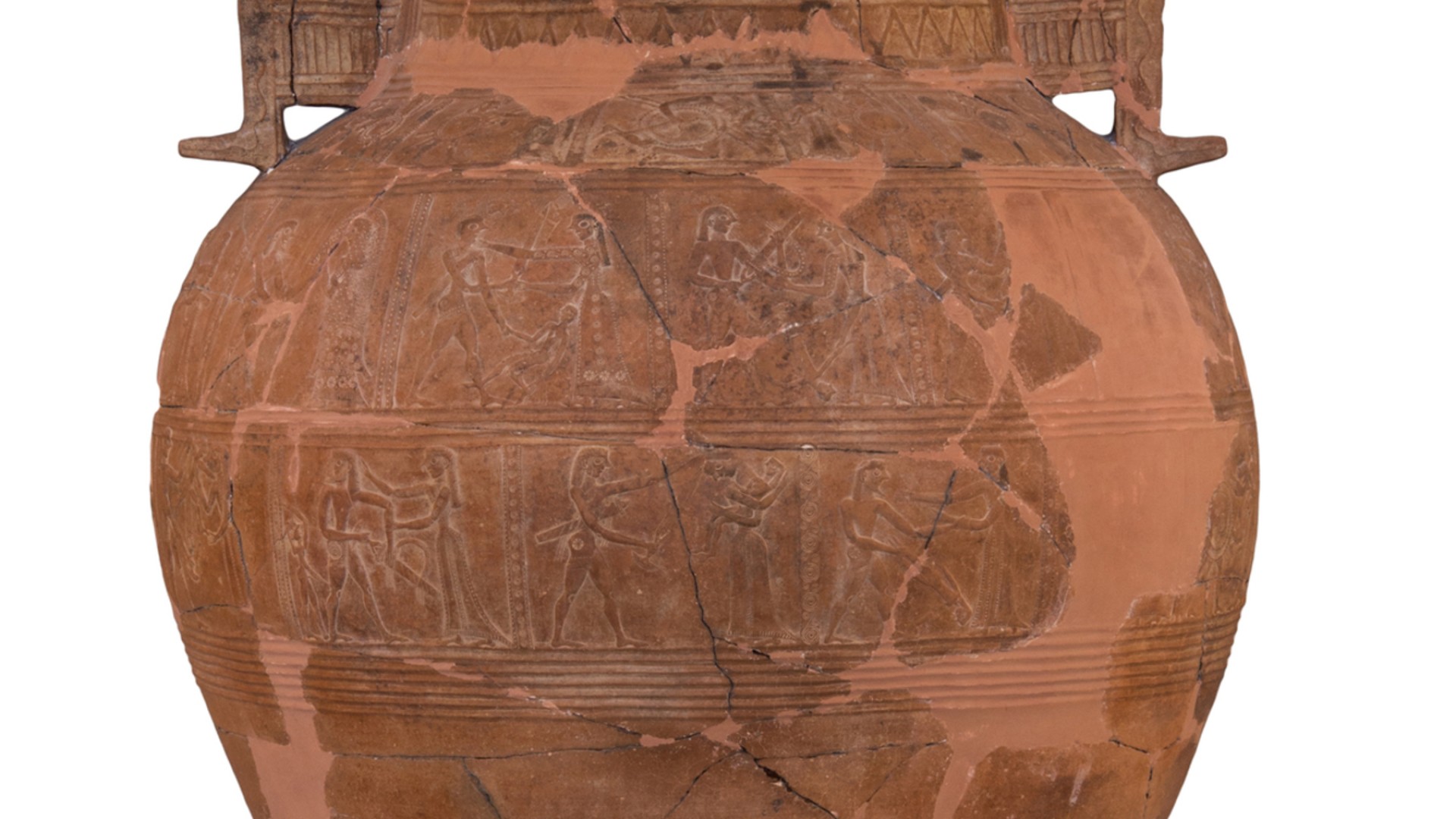
The museum’s permanent exhibition includes an impressive collection of artifacts dating from the 25th to the 1st century B.C. Among the most important exhibits are funerary statues, grave stelae, and funerary urns from Rheneia, reflecting burial customs and artistic traditions of the ancient Cycladic world. Visitors can also admire a large collection of pottery spanning prehistoric to late Hellenistic times, as well as clay figurines, jewelry, and various small objects that reveal aspects of daily life, religion, and craftsmanship in antiquity.
Although most of the museum’s exhibits originate from Rheneia and other Cycladic islands, it also contains a smaller collection of finds from Mykonos itself. Through its carefully curated collections, the Archaeological Museum of Mykonos offers visitors a fascinating journey into the history, art, and culture of the ancient Aegean world.