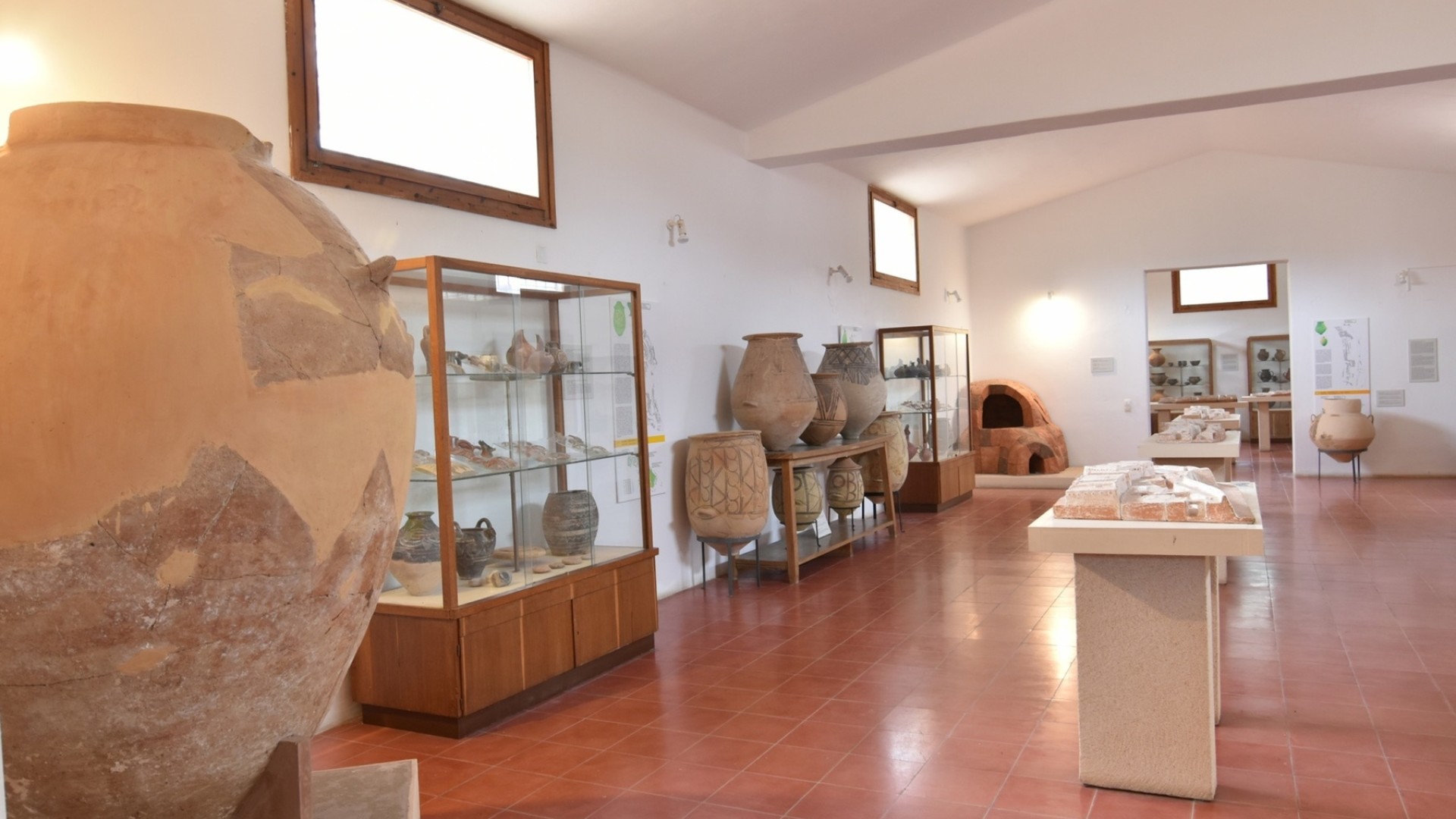
Archaeological Museum of Aegina
The Archaeological Museum of Aegina is historically significant as the first archaeological museum ever established in Greece.
It was founded in 1829 under the supervision of A. Moustoxydi, during the early years of the modern Greek state, reflecting the emerging national effort to preserve and study the country’s ancient heritage.
The museum was originally created under the initiative of Ioannis Kapodistrias and functioned as the first National Archaeological Museum of Greece. Its earliest collections were formed through the gathering of antiquities from various regions of the newly liberated Greek territories, particularly from the islands, following the end of Ottoman rule.
The present museum building was constructed in 1980 at the archaeological site of Kolona, a location of major historical importance on Aegina. The building was donated by the Bavarian Collection of the Friends of the Museum of Aegina, further highlighting the long-standing international scholarly interest in the site and its antiquities.
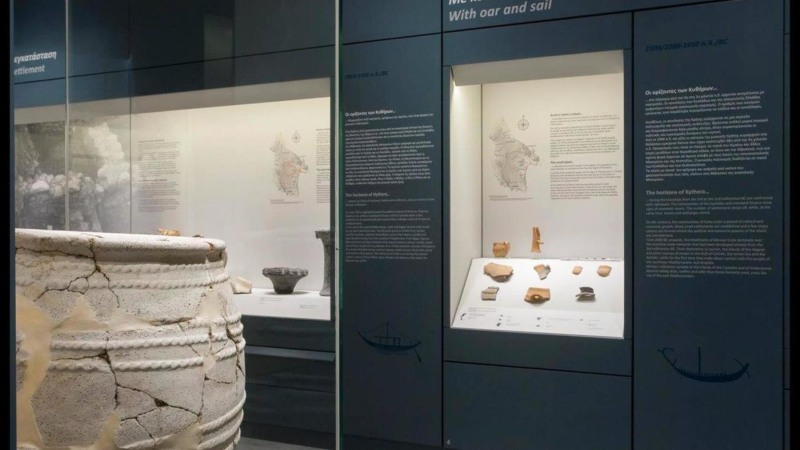
Today, the museum is situated on the southern slope of the Kolona hill and houses a rich collection of artifacts ranging from Prehistoric times to Late Antiquity. Most of the exhibits originate from systematic archaeological excavations conducted at the Kolona site itself, one of the most important ancient settlements in the Saronic Gulf.
The collection illustrates the long and continuous history of human settlement on Aegina, offering insight into the island’s role as an important cultural and commercial center in antiquity.