Archaeological Museum of Mystras
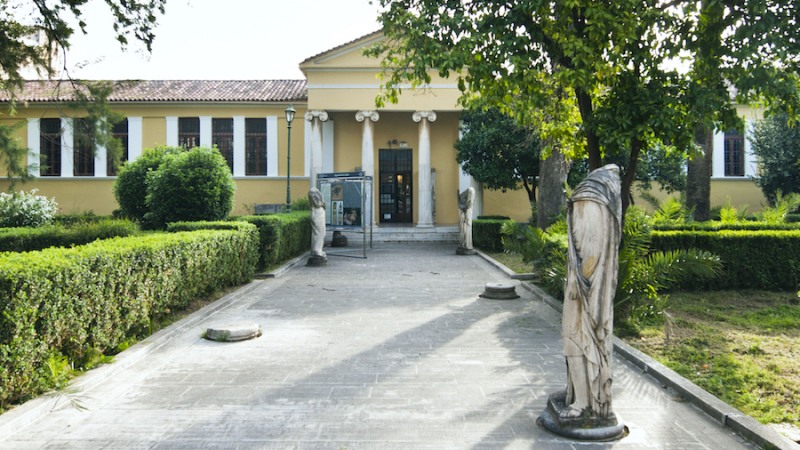
The Archaeological Museum of Mystras is located within the archaeological site of Mystras in Laconia, Greece.
Although it is named as an archaeological museum, it is primarily considered a Byzantine museum due to the nature of its collections.
The museum was inaugurated in 1951 and officially established in 1952 by the Ephorate of Antiquities of Laconia. It is housed in the west wing of the metropolitan complex of Mystras, a site of exceptional historical importance and a UNESCO World Heritage Site.
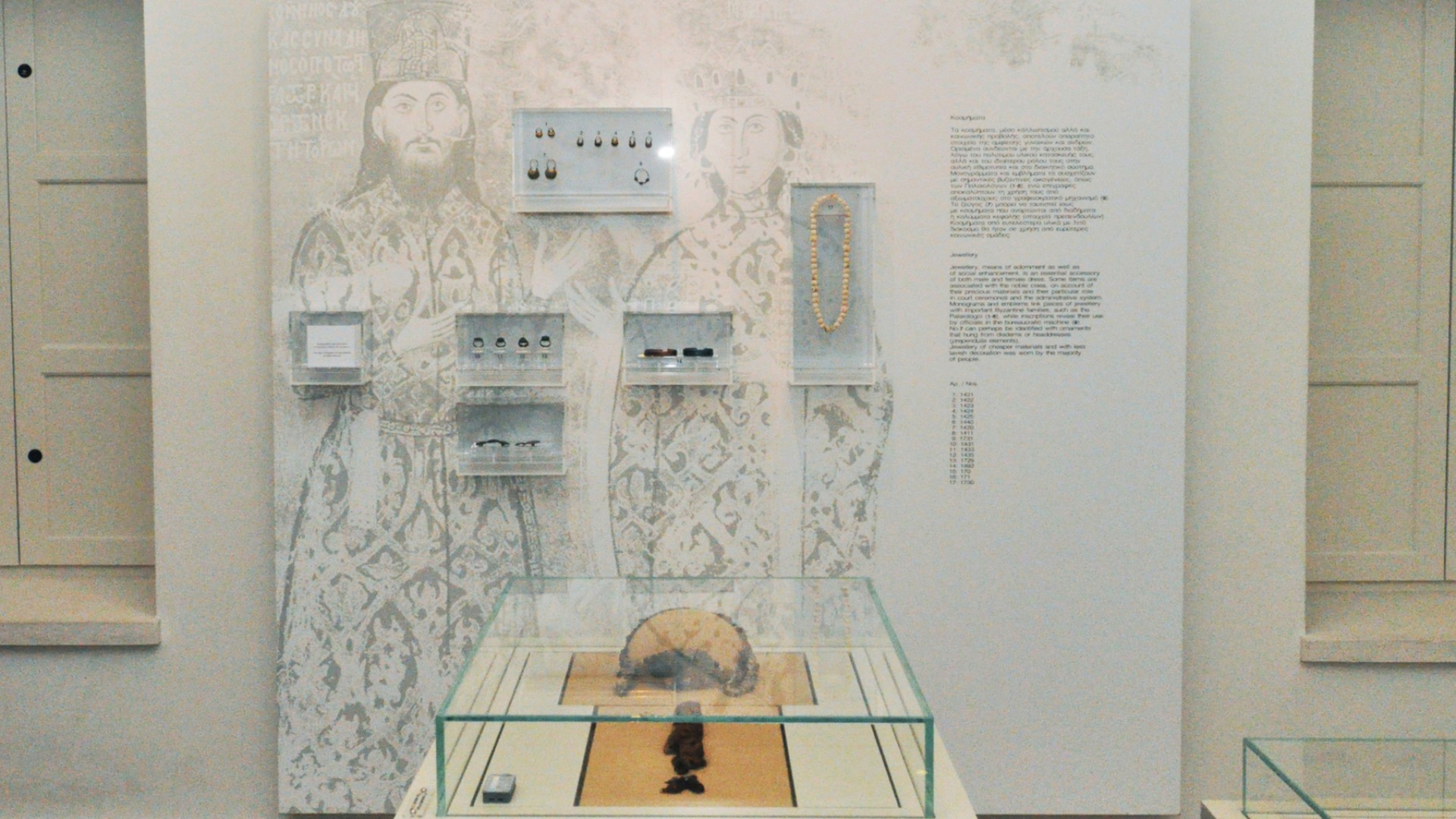
Its collections cover a wide chronological range, from the Early Christian period to the Post-Byzantine era, while also including some earlier and later artefacts. The exhibits mainly reflect the history, art, and daily life of the late Byzantine city of Mystras, one of the most important cultural centres of the Palaiologan period.
The origins of the museum date back to the late 19th century, when the French Byzantine scholar Gabriel Millet created an informal collection in the east wing of the metropolitan complex. This early collection included architectural sculptures from the monuments of Mystras and was later enriched in the early 20th century through contributions from the Metropolitan of Sparta, Theoklitos Minopoulos.
In 2001, the permanent exhibition was reorganized with a new museological approach, aiming to better present recent archaeological research and offer a clearer interpretation of the Byzantine heritage of the site.
Today, the museum focuses on the relationship between the Byzantine world and Western Europe, presenting selected artefacts that illustrate the political, social, and spiritual life of Mystras during the late Byzantine period.