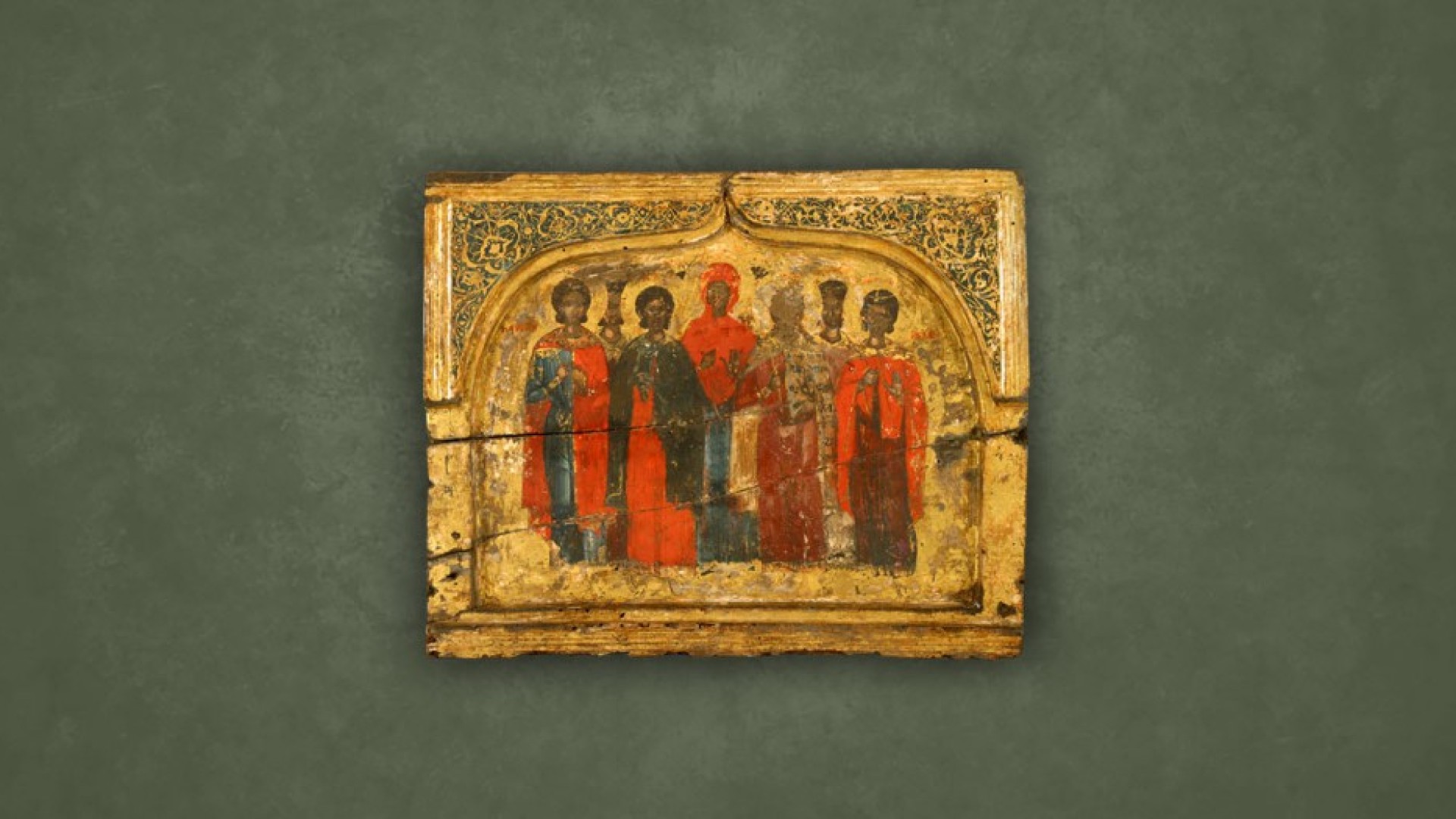
Byzantine Museum of Veroia
The Byzantine Museum of Veria is housed in an impressive early 20th-century industrial building, originally a water-powered flour mill owned by Stergios Markos.
Since the inauguration of its first permanent exhibition in 2002, the museum has played an important role in presenting the rich cultural heritage of Veria during the Byzantine, post-Byzantine, and Ottoman periods.
The museum building itself is one of its most significant exhibits. The four-storey stone mill, constructed between 1908 and 1911 according to plans by German engineers, is a remarkable example of industrial architecture of its era. Powered by water from a branch of the Tripotamos River, the mill was considered technologically advanced for its time and became an important industrial landmark for the city.
The restoration and adaptive reuse of the building in the 1990s received international recognition and was awarded by Europa Nostra for its exemplary conservation work. The restoration preserved the industrial character of the structure, including its stone masonry, metal framework, arched windows, and architectural simplicity, while transforming it into a modern museum space.
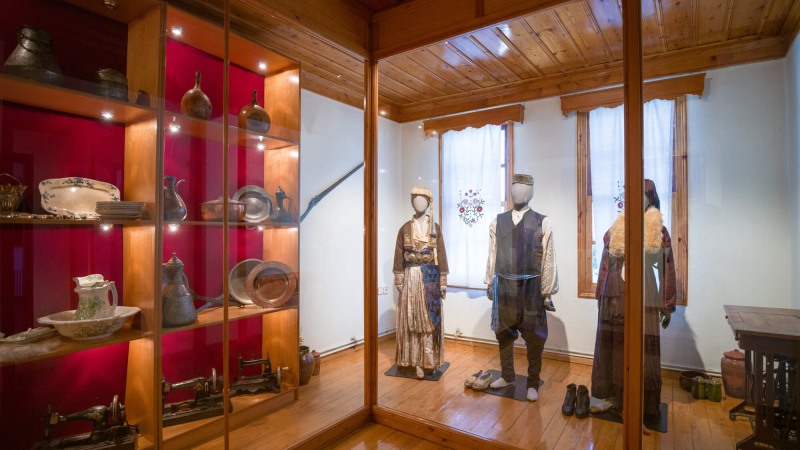
The museum’s permanent exhibition traces the history, daily life, and artistic production of Veria from the time of Constantine the Great to the liberation of the city from Ottoman rule in 1912. Through historical artifacts, artworks, and thematic displays, visitors gain insight into the city’s long and continuous cultural development.
The history of the building itself is closely connected with the modern history of Veria. After decades of operation as a flour mill, it was abandoned in the 1960s and severely damaged by fire in 1981. Its later restoration and conversion into a museum gave new life to the structure and preserved an important monument of the city’s industrial past.
Today, the Byzantine Museum of Veria stands as both a cultural institution and a monument of industrial heritage, combining architecture, history, and art in a unique way. Through its permanent collections and temporary exhibitions, it continues to promote the historical identity and cultural memory of Veria and the wider region.