Archaeological Museum of Ioannina
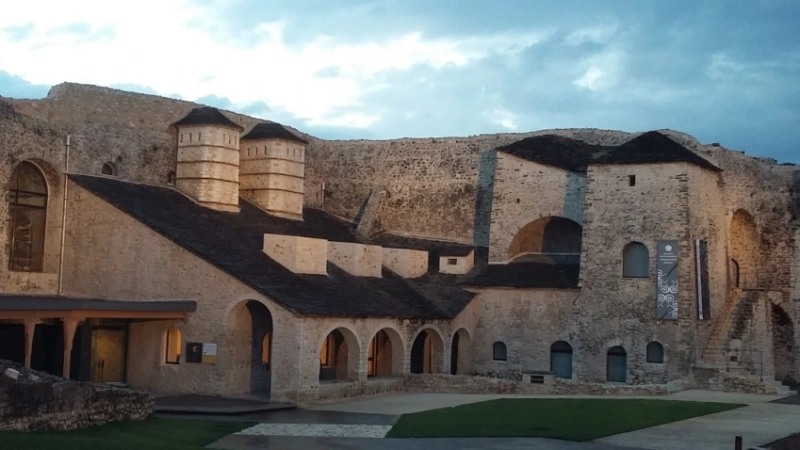
The Archaeological Museum of Ioannina is located in the city centre of Ioannina, the modern capital of Epirus, on the Litharitsia hill in a prominent site owned by the Greek Ministry of Culture.
The museum building was constructed between 1963 and 1966, based on the architectural design of the renowned Greek architect Aris Konstantinidis. Its original purpose was to house the archaeological treasures of Epirus, covering a wide chronological span from prehistoric times to the post-Byzantine period, as well as a collection of paintings from the 19th and 20th centuries donated by the “Friends of Ioannina” Association.
The museum opened to the public in 1969 with a permanent exhibition reflecting the archaeological knowledge and museum practices of that time. Over the years, the building also served as the headquarters of regional archaeological services, while later developments allowed its exclusive use as a museum space.
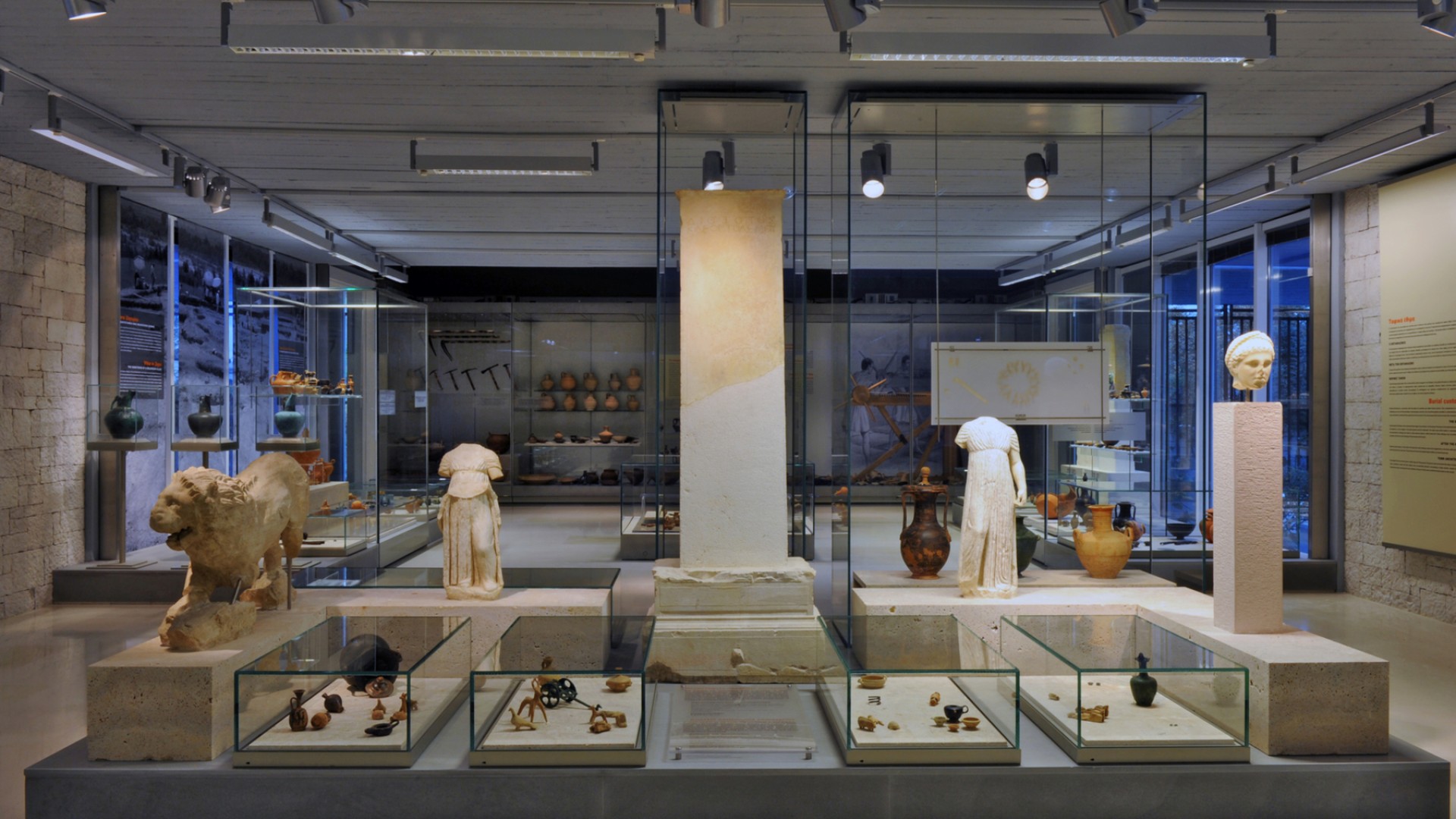
Today, the collections are displayed in seven exhibition halls, a central corridor, and three courtyards, covering a total area of approximately 1,200 square meters. The exhibits span a vast historical period, from the earliest human presence in Epirus during the Lower Paleolithic era (around 250,000 years ago) to the end of antiquity in the late Roman period (3rd century AD). A special emphasis is placed on findings from the sanctuary of Dodona, one of the most important oracle sites of the ancient Greek world.
The exhibition is organised thematically in order to present different aspects of public and private life in ancient Epirus. The main sections include Prehistoric Epirus, Political and Administrative Organisation, the Molossian Kings (Aeacidae), Daily Life, the Archaeology of Death, Epirus in the Roman Period, and the Sanctuary of Dodona. A chronological timeline in the central corridor helps visitors understand the historical development of the region in relation to the wider Greek world.
The museum aims to provide a comprehensive understanding of Epirus’ history and archaeology through its rich collections and modern interpretive approach, making it an important cultural and educational institution.