Archaeological Museum of Philippi
The Archaeological Museum of Philippi is located within the archaeological site of Philippi and presents the history of the ancient city from its foundation in the 4th century BC until its decline during the Byzantine and Ottoman periods.
The museum is one of the most important cultural landmarks of Eastern Macedonia and is closely connected with historical figures such as Philip II of Macedon, Augustus, and Paul the Apostle.
The ancient city was founded in 360 BC by settlers from Thasos under the name Crenides, in an area rich in precious metals, timber, and agricultural resources. In 356 BC, King Philip II conquered the city, fortified it, and gave it his name, recognizing its strategic and economic importance.
During the Hellenistic and Roman periods, Philippi flourished as an important political, commercial, and cultural center. The passage of the Via Egnatia through the city further increased its importance within the region. A decisive moment in the city’s history was the Battle of Philippi in 42 BC, after which the city became a Roman colony.
Philippi also played a major role in the history of Christianity. Around 49/50 AD, Paul the Apostle founded here the first Christian church on European soil. During the Early Christian period, magnificent basilicas and the Octagon complex dedicated to Saint Paul were constructed, transforming Philippi into an important Christian center.
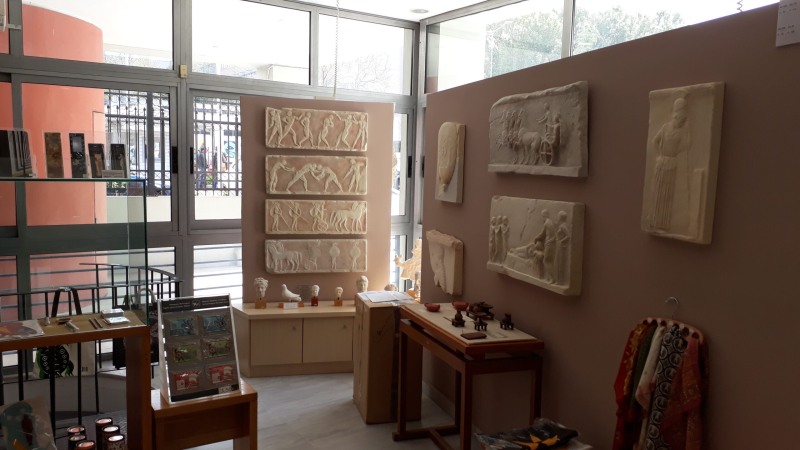
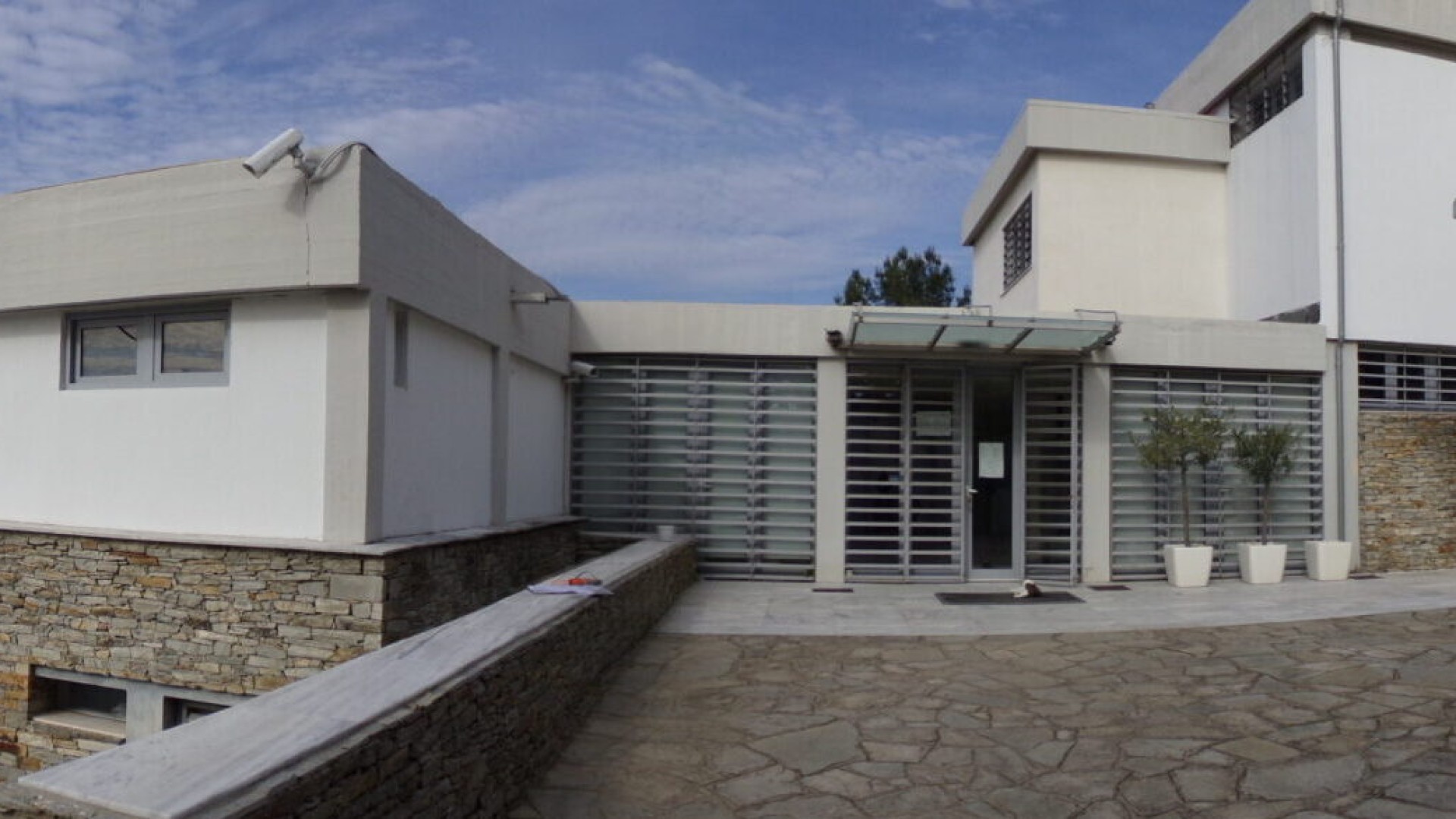
The museum is housed in a modern building designed by the architects Ioannis Triantafyllidis and Dimitris Fatouros. Its exhibition is organized across three levels and presents the city’s history through sculptures, inscriptions, coins, ceramics, architectural elements, and informative material.
On the ground floor, visitors can explore the history of Philippi from prehistoric times to the end of the Roman era. The upper floor focuses on the Christian city, presenting exhibits from the flourishing Early Christian period through the city’s gradual decline and eventual abandonment.
Archaeological excavations at Philippi began in 1914 by the French School at Athens and continue today through the efforts of the Greek Archaeological Service, the Aristotle University of Thessaloniki, and the French School at Athens. The important discoveries from these excavations are preserved and displayed in the museum.
Today, the Archaeological Museum of Philippi stands as a major cultural and historical landmark, offering visitors a comprehensive view of ancient Macedonian civilization and the early history of Christianity in Europe.