Korgialenios Historical and Folklore Museum
The Korgialenio History and Folklore Museum of Argostoli, located in Kefalonia, presents a comprehensive overview of the island’s history from the Venetian period (around 1500 AD) to the devastating earthquakes of 1953, which marked a turning point in the island’s cultural and architectural landscape.
The museum focuses not only on preserving historical memory but also on highlighting the living cultural identity of Kefalonia, which continues to evolve through its rich heritage.
The museum explores both urban and rural life on the island, including traditional clothing, household economy, social and family life, folk art, recreation, and religious practices. It also documents ecclesiastical art and worship traditions, as well as pre-earthquake architecture and urban planning. A significant part of the exhibition is dedicated to the destruction caused by the 1953 earthquakes and the subsequent reconstruction of Kefalonia. In addition, the museum pays tribute to important historical figures connected to the island’s cultural and intellectual life.
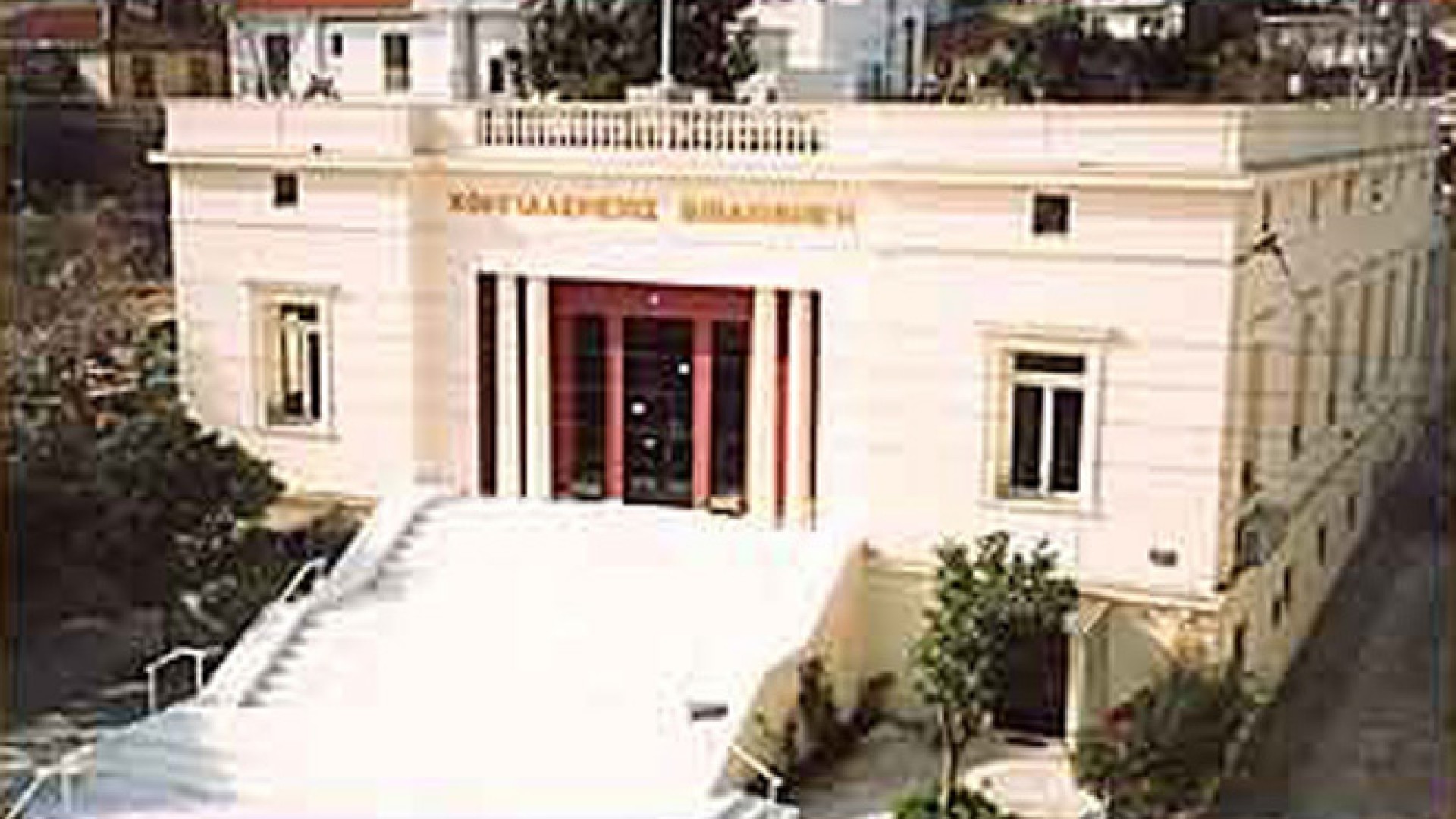
It is housed in the ground floor of the listed post-earthquake building of the Korgialenios Library of Argostoli, which, together with the library and the General State Archives of Kefalonia, forms a major center of research and cultural activity. The museum’s permanent exhibition is organized into thematic sections, including urban life, rural life, ecclesiastical art, and the urban planning of Argostoli, offering visitors a holistic understanding of the island’s past.
The museum was founded in response to the urgent need to preserve Kefalonia’s pre-earthquake heritage. Its creation was inspired by prominent local figures who sought to collect and safeguard objects, photographs, and documents representing everyday life before 1953. Over time, the collection expanded through generous donations from local families and members of the diaspora.
Today, the Korgialenio Museum holds important collections, including ecclesiastical artifacts, traditional objects, furniture, clothing, and rare archival material. Notable holdings include the Byzantine icon collection of Spyridon Charokopos and the collections of Frangiskos and Stefanos Vallianos. These exhibitions provide valuable insight into both religious art and the broader cultural history of the Ionian Islands.
The museum also plays an active educational and research role, hosting guided tours, school visits, and academic research activities. As a member of the International Council of Museums (ICOM), it has gained international recognition and continues to attract visitors and scholars from around the world, serving as a vital guardian of Kefalonia’s cultural heritage.