Archaeological Museum of Syros
The Archaeological Museum of Syros is one of the oldest museums in Greece, founded in 1834.
Since 1899, it has been housed in four halls of the impressive neoclassical Town Hall of Ermoupoli, a landmark building designed under the supervision of the famous architect Ernst Ziller. The museum preserves and showcases the rich archaeological heritage of Syros and the Cyclades, offering visitors a journey through the ancient history of the Aegean islands.
The museum originally included artifacts from various Cycladic islands, along with the archaeological collection of Ioannis Kokkonis, consisting mainly of marble inscriptions discovered on Syros. Its importance grew significantly after the excavations conducted in 1898 by archaeologist Christos Tsountas at the Early Cycladic settlement of Kastri and the cemetery of Chalandriani. Thanks to the efforts of the local authorities and the citizens of Syros, the discoveries remained on the island and were transferred to the museum in 1901.
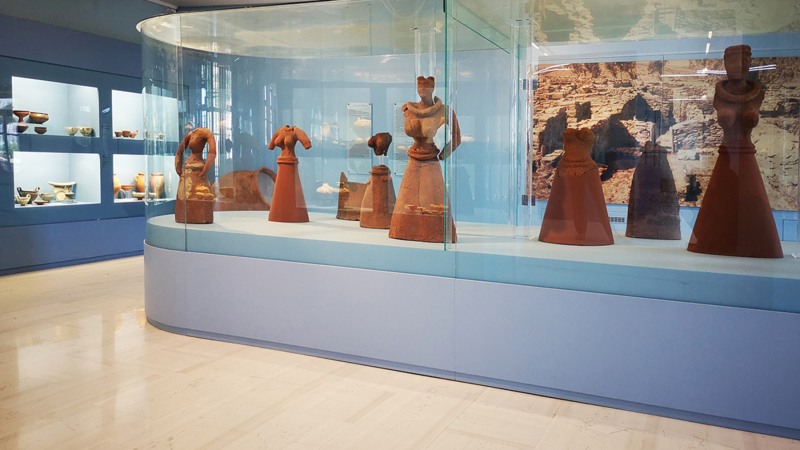
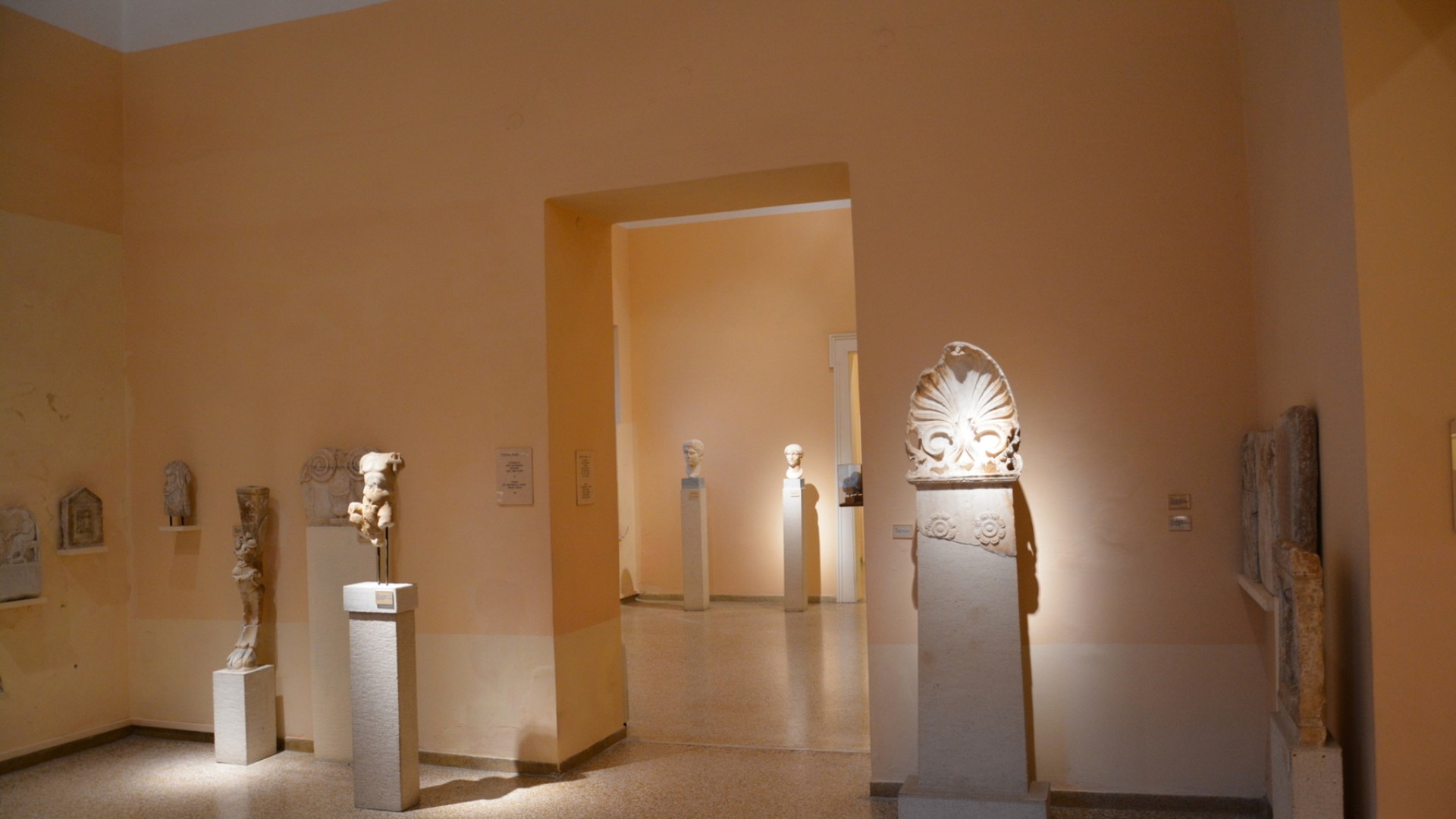
Today, the museum’s collections are displayed across four exhibition halls. The first hall presents sculptures, inscriptions, and funerary stelae from the ancient city of Syros and other archaeological sites on the island. The second hall is dedicated to findings from Kastri and Chalandriani, featuring important artifacts from the Early Cycladic civilization. The central hall contains exhibits from other Cycladic islands, including Amorgos, Kea, Andros, and Paros. The final hall, added in 1998, honors the work of Christos Tsountas and includes archival material, excavation diaries, photographs, and personal objects related to his archaeological research.
The Archaeological Museum of Syros offers visitors a unique opportunity to explore the prehistoric and ancient cultures of the Cyclades while also experiencing the historical atmosphere of Ermoupoli, one of the most elegant towns in the Aegean.