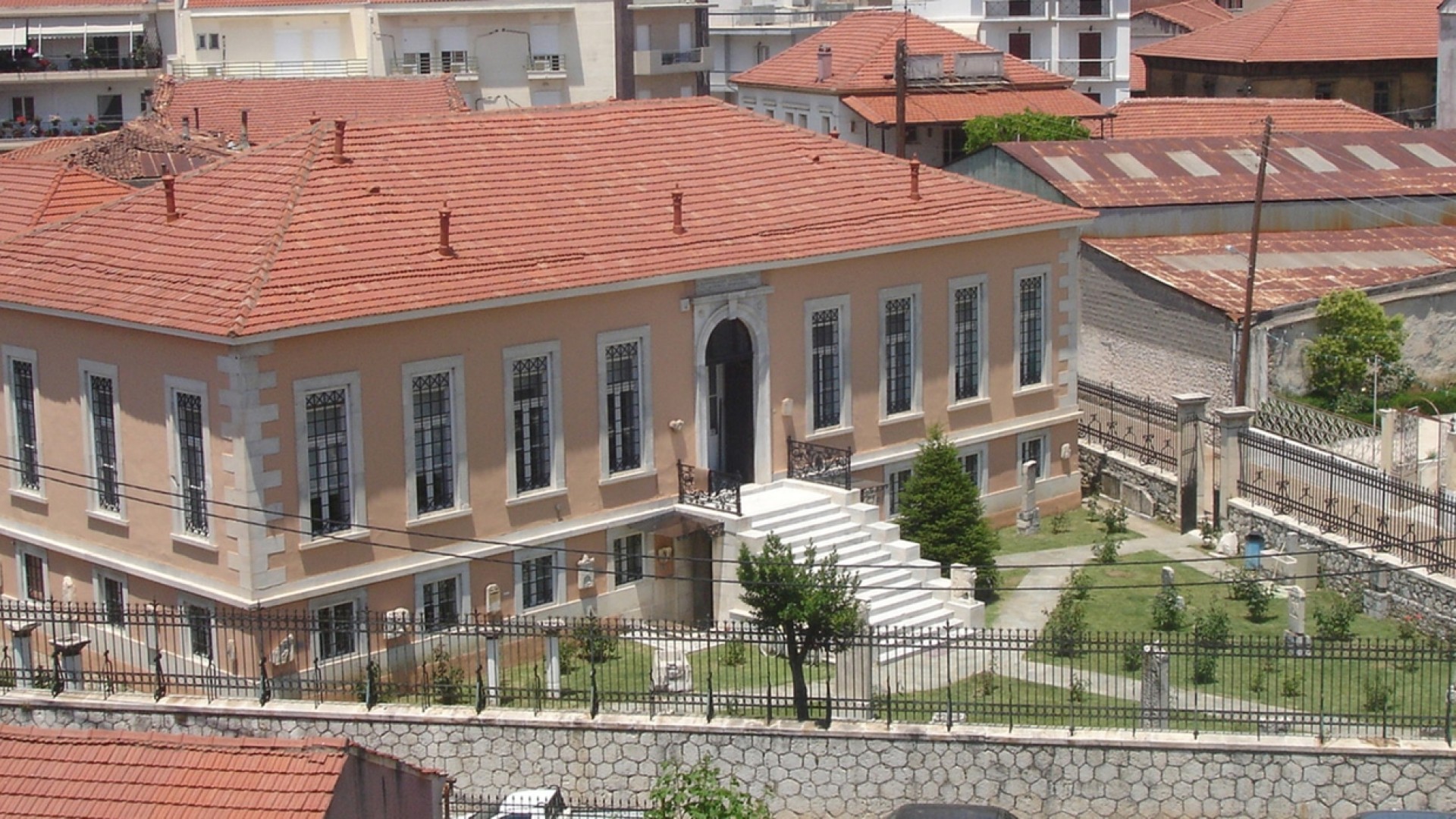
Archaeological Museum of Tripoli
The Archaeological Museum of Tripolis is located in the city of Tripolis, in the region of Arcadia, Greece.
It houses an important collection of archaeological finds from excavations carried out throughout Arcadia, offering visitors a comprehensive overview of the history and cultural development of the region from the Neolithic period to Late Antiquity.
The museum is housed in a two-storey neoclassical building designed by the renowned architect Ernst Ziller. It was officially inaugurated in 1986 by the then Minister of Culture, Melina Mercouri.
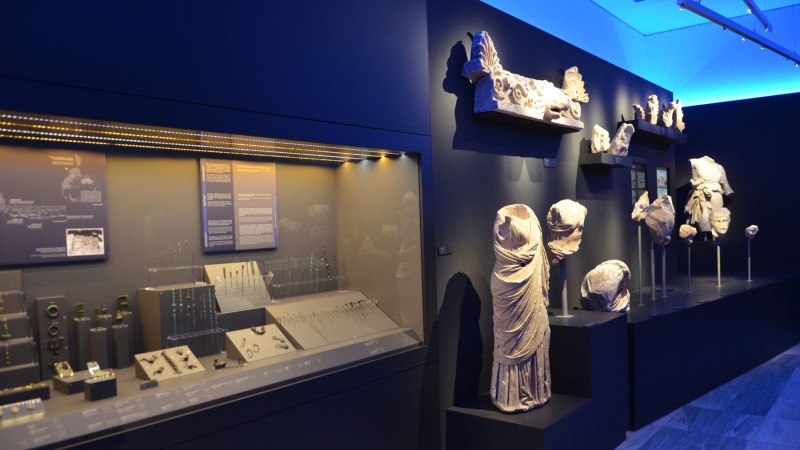
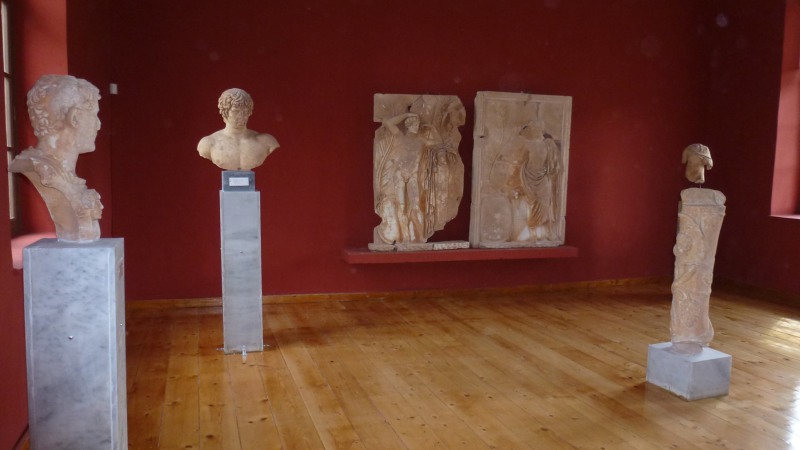
Its collections include artefacts from many historical periods, including the Neolithic, Geometric, Mycenaean, Hellenistic, Roman, Early Christian, and Early Byzantine eras. The exhibits feature pottery, sculptures, inscriptions, vessels, figurines, and votive reliefs that reflect the artistic and cultural life of ancient Arcadia.
Among the museum’s most important exhibits is a bronze helmet from the early Hellenistic period discovered in Megalopoli, believed to be connected with the campaigns of Alexander the Great. Another remarkable piece is a headless marble statue, probably representing the goddess Athena, attributed to the Athenian sculptor Endoios. Visitors can also admire a late Mycenaean stirrup amphora from Palaiokastron in Gortyna and a relief slab depicting Apollo and the Nine Muses from the villa of Herodes Atticus in Eva, Kynouria.
Through its rich collections and carefully presented exhibitions, the Archaeological Museum of Tripolis highlights the long historical continuity and cultural significance of Arcadia in the ancient Greek world.