Archaeological Museum of Argos
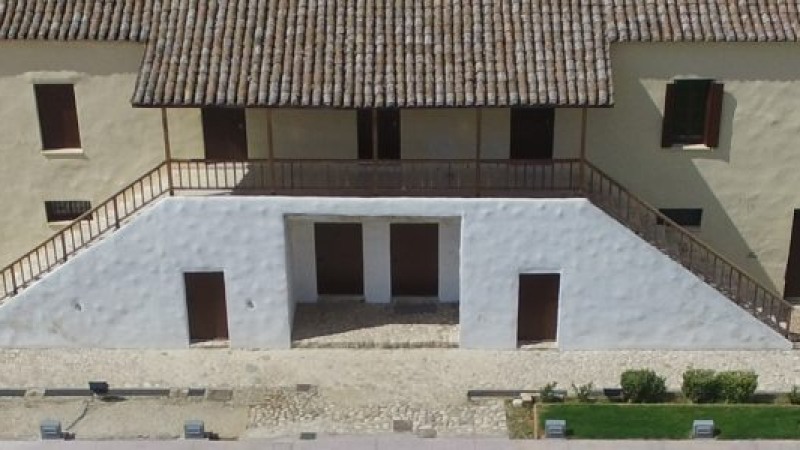
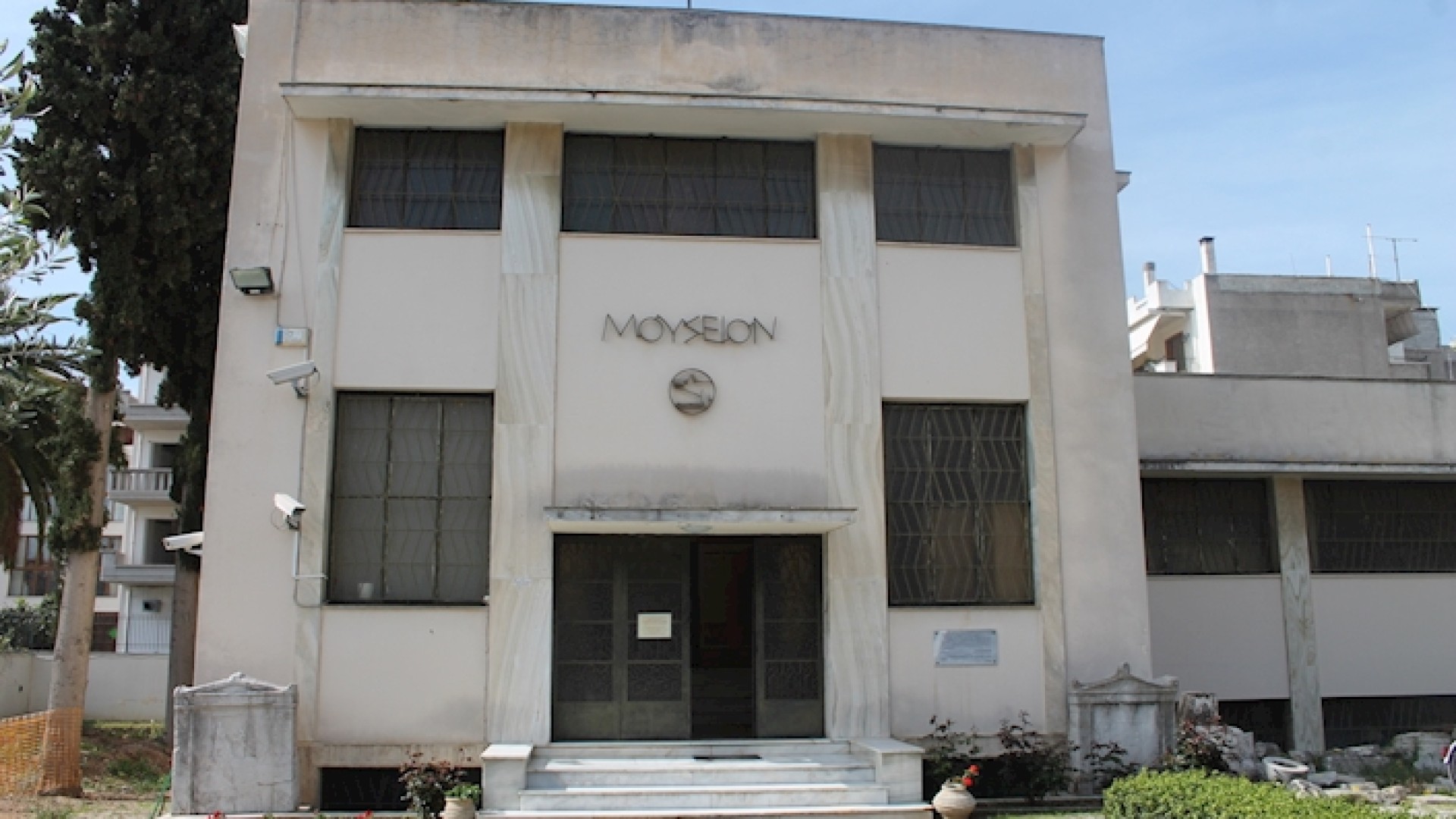
The Archaeological Museum of Argos is housed in a museum complex that combines the historic Kalergis House with a modern extension.
The Kalergis House, built in 1830 and associated with General Dimitrios Kalergis, is a preserved neoclassical building that was even used for a period as a government residence during the time of Governor Kapodistrias. It was adapted for museum use in the 1950s, while the new wing was completed with the support of the French Archaeological School and inaugurated in 1961.
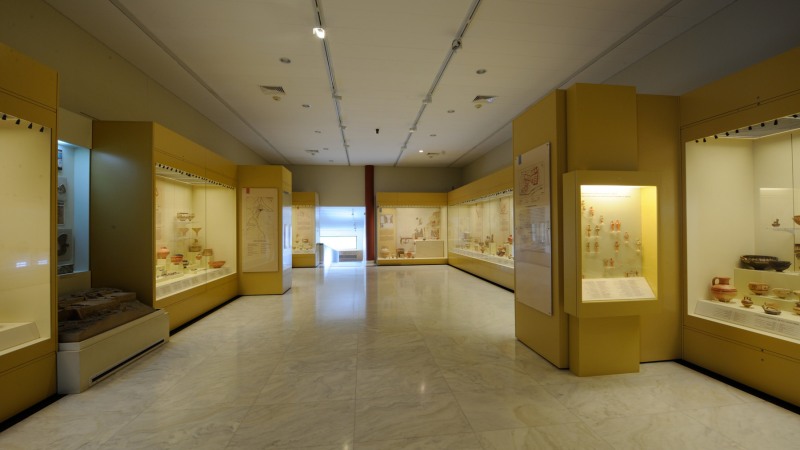
The permanent exhibition presents the history of Argolis from prehistoric to Roman times through important archaeological finds in pottery, sculpture, and funerary contexts. In the main hall, exhibits span the Middle Helladic to Classical periods, including a remarkable bronze cuirass of a 8th-century BC warrior, iron spits with tripod supports in the shape of a ship, and high-quality ceramics from various periods.
One of the most significant artifacts is a fragment of a 7th-century BC krater depicting Odysseus and his companions blinding the Cyclops Polyphemus, an outstanding example of early mythological representation in Greek art. Equally important are the finds from the prehistoric settlement of Lerna, including Neolithic figurines and early ceramic objects.
In the museum courtyard, Roman and Late Roman mosaics are displayed, depicting scenes such as the months of the year, the seasons, hunting scenes, and mythological themes. These mosaics originate from villas and urban residences in the Argos area.
The Archaeological Museum of Argos is one of the most important cultural institutions in the region, bringing together finds from local excavations and international archaeological missions, and offering a comprehensive view of the historical development of ancient Argos and its surrounding area.