
Archaeological Collection of Arta
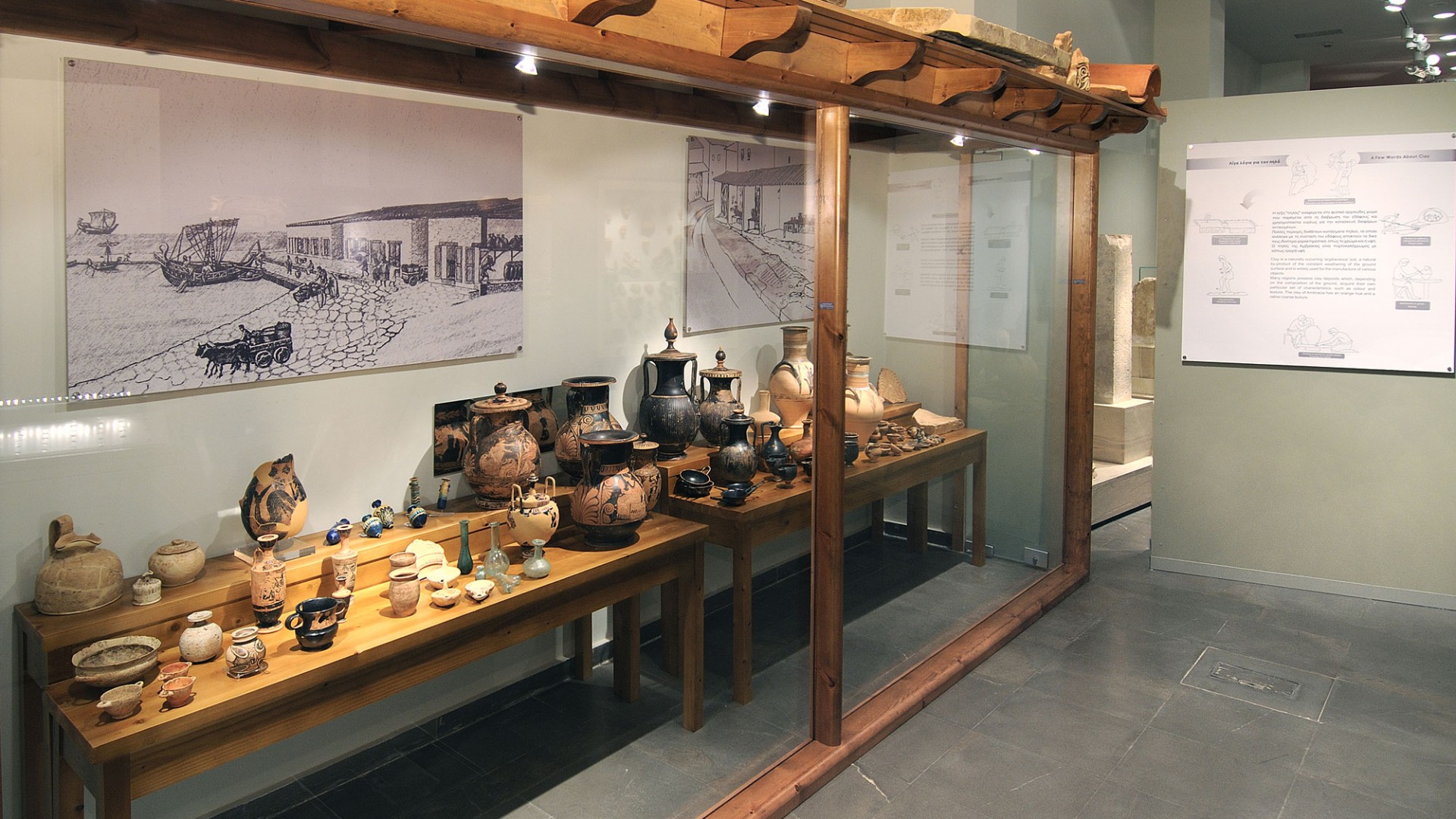
The Archaeological Museum of Arta is dedicated to the history of ancient Ambracia, one of the most important Corinthian colonies in northwestern Greece.
Beneath the modern city of Arta lies the ancient city of Ambracia, founded at the end of the 7th century BC by Gorgos, son of Kypselos, the tyrant of Corinth. Thanks to its strategic location near the Arachthos River and the trade routes of Epirus, the city developed into an important commercial, political, and cultural center.
Ambracia reached its greatest prosperity during the 3rd century BC, when King Pyrrhus made it the capital of his kingdom and adorned it with temples, public buildings, and impressive works of art. The city became known for its sculpture, metalwork, and coin production, while also playing an active role in major historical events such as the Persian and Peloponnesian Wars. Its decline began after the Roman conquest and was completed in 31 BC, when Octavian founded nearby Nicopolis and forced the inhabitants to relocate there. Nevertheless, the area continued to be inhabited and later evolved into the Byzantine city of Arta. Today, the museum presents important archaeological finds from ancient Ambracia and the wider region, highlighting the history and culture of the ancient city. The exhibits include pottery, sculptures, coins, inscriptions, and everyday objects that reveal the economic, artistic, and social development of Ambracia from antiquity to the early Christian period.