Kerameikos Archaeological Museum
The Kerameikos Archaeological Museum is located in Athens, within the archaeological site of Kerameikos, the most important cemetery of ancient Athens.
It was inaugurated in 1938 and forms an integral part of the ongoing excavations carried out in the area by the German Archaeological Institute.
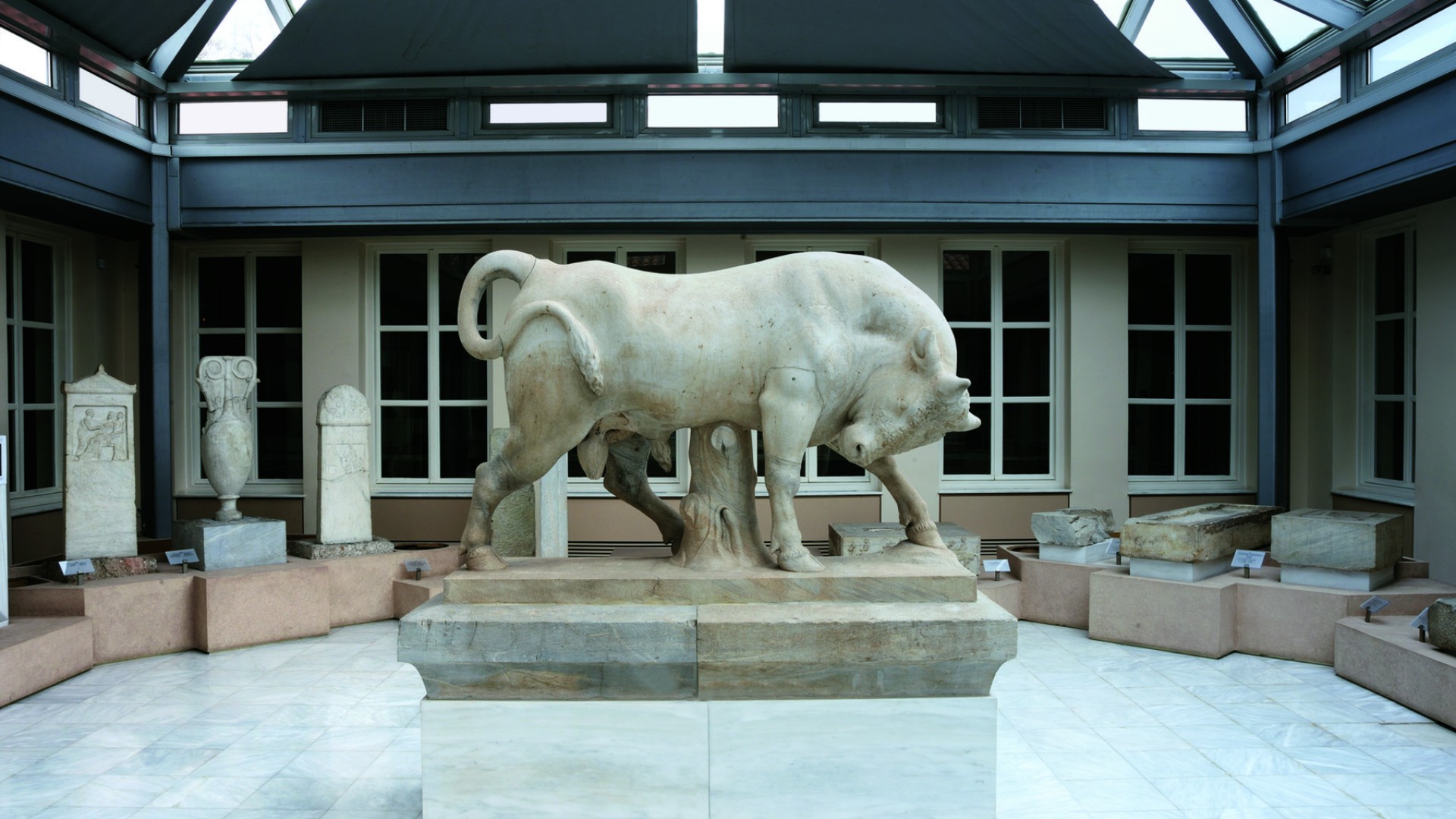
The museum houses finds mainly from burial contexts and everyday life, dating from the Geometric period to the Roman era. Its collection includes pottery, funerary stelae, grave reliefs, urns, and jewellery, offering valuable insight into ancient Athenian beliefs about death and the afterlife.
The history of the museum dates back to 1863, when the first excavated finds were gathered in a small provisional exhibition space within the archaeological site. The present museum building was constructed in 1937 with the support of German benefactor Gustav Oberländer, and it was later expanded in the 1960s with the contribution of the Boehringer brothers.
The exhibition is organized in chronological and thematic sections, presenting the development of funerary art and burial customs in ancient Athens. Surrounded by a garden with olive trees and laurel bushes, the museum offers a unique visiting experience that combines archaeological remains with a natural setting.
The Kerameikos Archaeological Museum serves as an important centre for the study of ancient Athenian society and its funerary practices, providing valuable knowledge about the history and culture of the city.