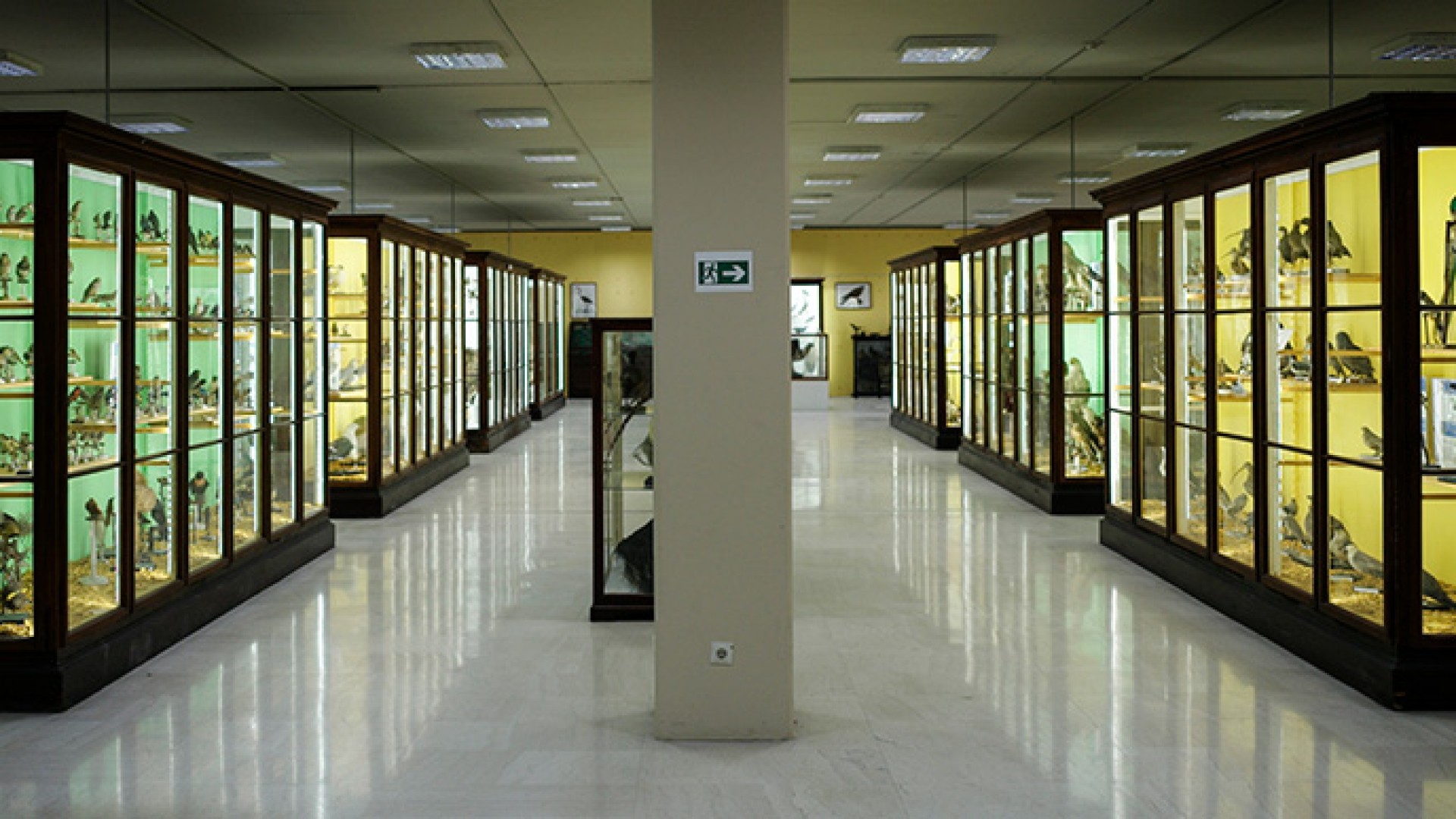
Zoological Museum of the University of Athens
The Museum of Zoology of the University of Athens belongs to the Department of Biology of the National and Kapodistrian University of Athens and is located on the University campus in an area covering 2,200 square meters.
It is the first and largest zoological museum in Greece, with a history spanning more than 160 years.
The origins of the museum date back to 1835, shortly after Athens became the capital of the modern Greek state, with the establishment of the Physiographic Society. Greek and Bavarian scholars created important collections of animals, plants, fossils, and minerals, which later became the foundation of the University’s scientific museums. In 1858, the Physiographic Museum of the University of Athens was founded, and the zoological collections occupied a central position within it.
During the 19th and early 20th centuries, the museum played an important educational and social role. At a time before television and other modern media, it offered the public a unique opportunity to explore the natural world. Researchers, naturalists, hunters, and collectors from Greece and abroad enriched the museum’s collections with valuable specimens and trophies.
Throughout the 20th century, the museum continued to develop and supported zoological teaching and research. However, wars and economic difficulties led to a period of decline, and in the early 1960s the museum was temporarily closed to the public due to structural problems in the building where it was housed. In 1965, the collections were moved to the University campus, and in 1991 the museum finally found a permanent home in the new building of the Department of Biology.
Today, the Museum of Zoology holds extensive and important collections, including around 500 species of mammals, 2,500 bird specimens, collections of eggs and nests, as well as numerous reptiles, amphibians, fish, and invertebrates such as insects, mollusks, corals, and sponges. The exhibits originate from Greece as well as many other parts of the world.
In addition to its exhibition role, the museum is an important center for research and education. Every year it welcomes thousands of school pupils and university students, organizes educational programs, seminars, and environmental awareness activities, and contributes to the study and protection of Greek biodiversity. Through its collections and activities, the museum introduces visitors to the richness and importance of the animal kingdom, promoting a deeper understanding of nature and the need for its conservation.