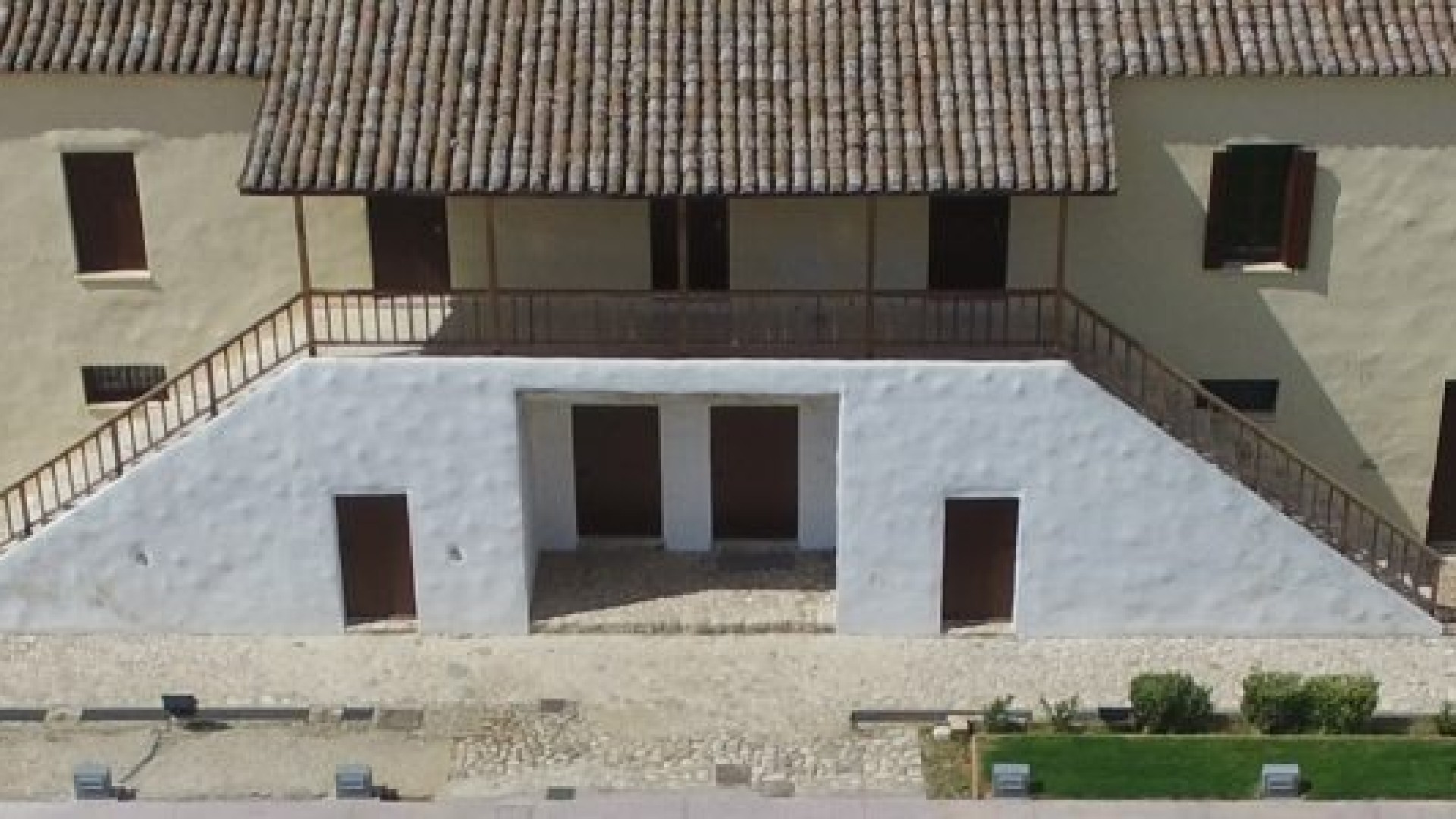
Byzantine Museum of Argolis
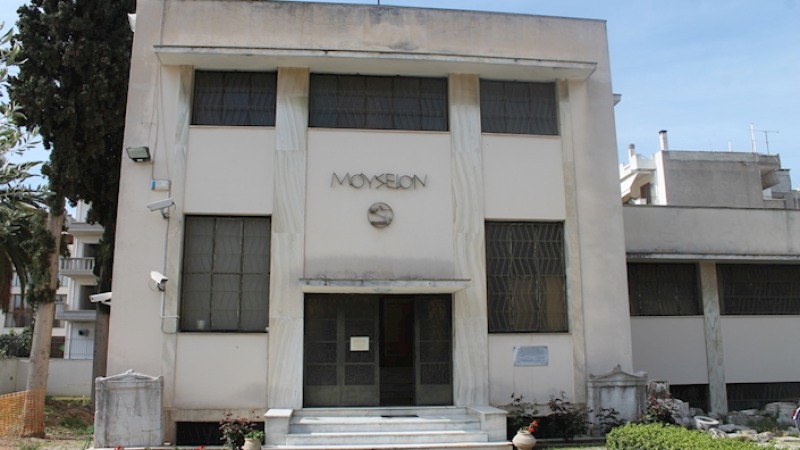
The Byzantine Museum of Argolida is housed in the western wing of the Kapodistrian Barracks in the city of Argos.
The barracks complex is a historically preserved monument located in a central area of the city, in close proximity to the neoclassical Municipal Market building and the Archaeological Museum of Argos. The original structure dates back to the second Venetian occupation of the city and suffered extensive damage during the Greek War of Independence. Between 1828 and 1829, on the orders of Ioannis Kapodistrias and under the supervision of architect Lambros Zavos, the complex was reconstructed to serve as cavalry barracks for the newly established Greek state.
The complex originally formed a quadrilateral layout with a raised northern wing, which no longer survives today. In its present form, it consists of three wings (eastern, southern, and western), creating a Π-shaped ground plan.
In 1992, approval was granted for the establishment of a Museum of Byzantine and Post-Byzantine Art in the western wing of the barracks. The conversion works into a museum space began in 2005. The creation of the permanent exhibition was implemented through the EU co-financed Operational Programme “Western Greece – Peloponnese – Ionian Islands 2007–2013,” under the responsibility of the Hellenic Ministry of Culture and Sports and the Ephorate of Antiquities of Argolida. The project was included in the NSRF (ESPA) framework in August 2011 and was completed in September 2016.
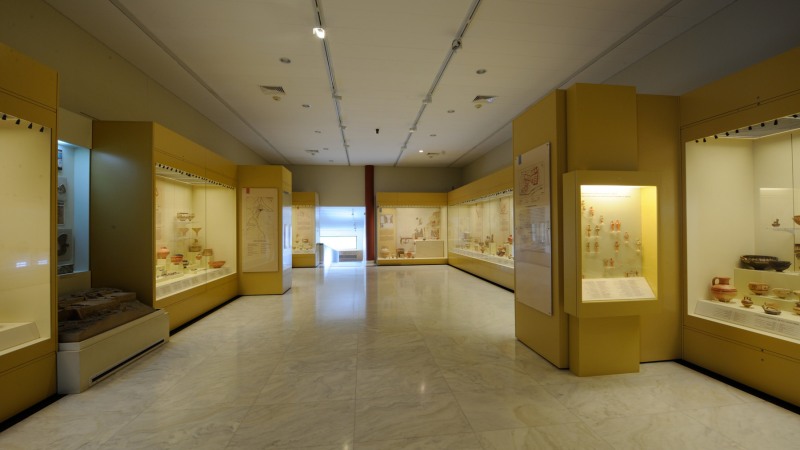
The ground floor of the western wing includes the museum entrance, administrative spaces, and a conservation laboratory, as well as a museum shop. The upper floor hosts the permanent exhibition. The museum is fully accessible for visitors with disabilities, providing ramps, an elevator, and Braille signage.
In addition, the western section of the southern wing houses the archaeological storage areas and the temporary exhibition and events hall, which supports educational and cultural activities.