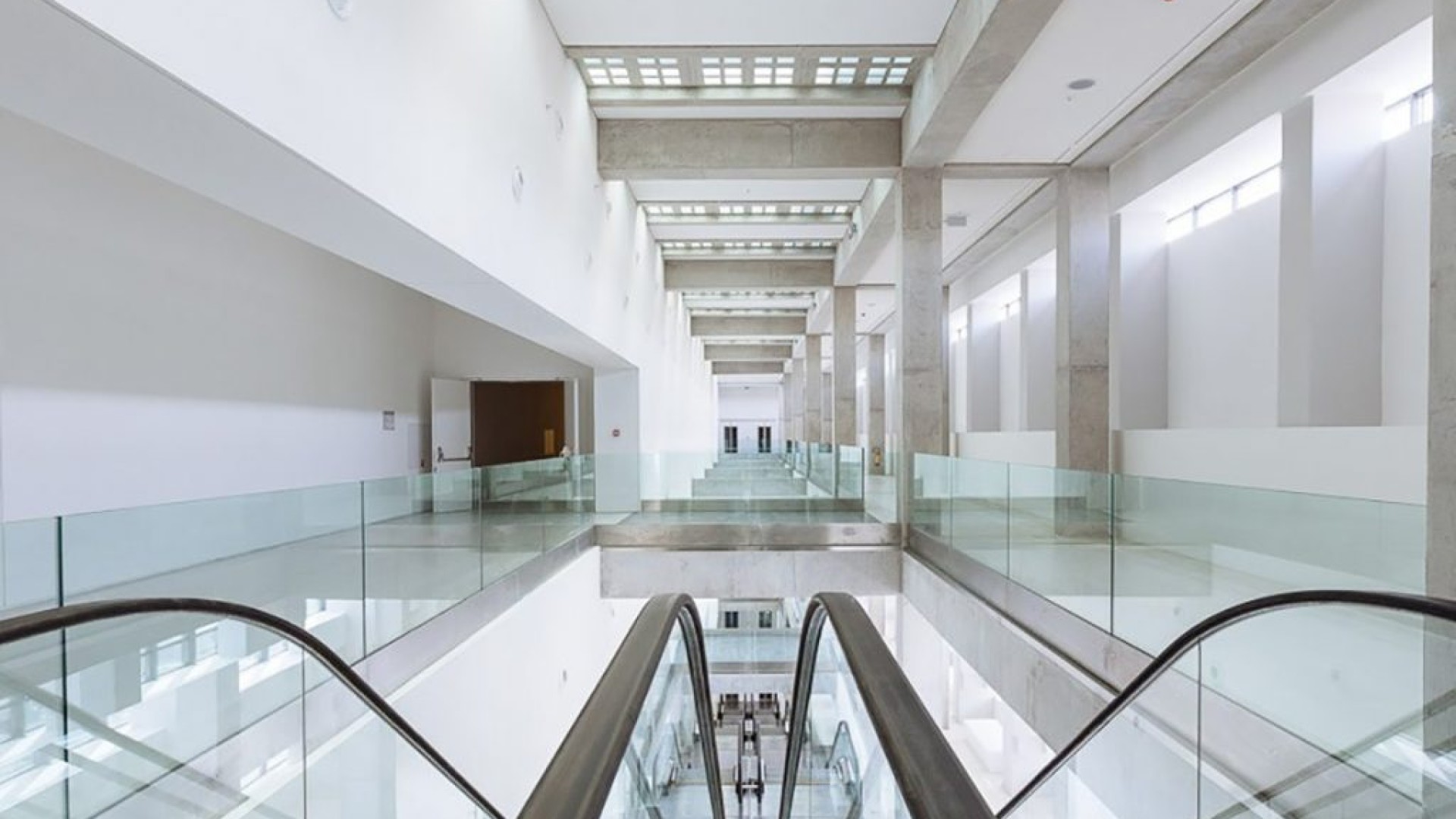
National Museum of Contemporary Art, Athens
The EMST | National Museum of Contemporary Art Athens is Greece’s leading institution for contemporary art and one of the most important museums of its kind in Southern Europe and the Eastern Mediterranean.
Established in 1997 and officially operating since 2000, EMST has developed into a dynamic cultural hub dedicated to contemporary artistic expression, research, and public engagement.
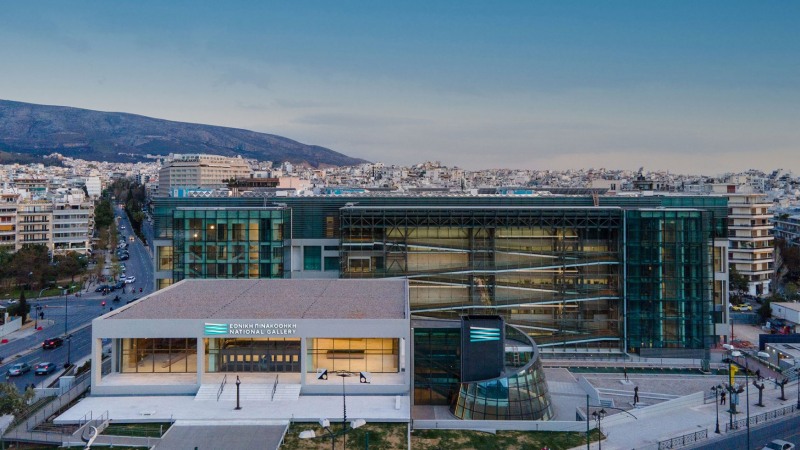
During its early years, the museum operated as a nomadic institution, hosting exhibitions and events in major cultural venues across Athens, including the Athens Concert Hall and the Athens Conservatoire, while its permanent home, the iconic former FIX brewery on Syngrou Avenue, was being transformed into a state of the art contemporary art museum. EMST moved into the renovated building in 2015 and became fully operational in 2020, when part of its permanent collection was presented to the public.
EMST collects, preserves, researches, and exhibits works by Greek and international contemporary artists, with a strong focus on artistic practices that explore social, political, and cultural issues shaping today’s world. Through exhibitions, educational initiatives, screenings, talks, and public programs, the museum encourages dialogue around themes such as democracy, identity, technology, globalization, environmental concerns, and social change.
The museum also plays an important role in supporting and promoting contemporary Greek art internationally. Through residency programs, mentorship initiatives, and collaborations with curators and artists from around the world, EMST strengthens the connection between the local art scene and the international cultural community. Its location in Athens strongly influences its identity, with a particular emphasis on the histories, cultures, and narratives of the Mediterranean, the Balkans, the Middle East, and North Africa.
EMST views art as a powerful tool for knowledge production, critical thinking, and social awareness. The museum promotes accessibility, inclusion, and equal opportunities in culture, while also advocating fair pay and ethical working conditions for artists and cultural professionals. Sustainability and environmental responsibility are also becoming central priorities for the institution’s future development.
Today, EMST stands as a vibrant contemporary art museum that invites visitors to engage with challenging ideas, discover diverse artistic perspectives, and explore how art can shape our understanding of the modern world.