Vorres Museum
The Vorres Museum, located in Paiania, Attica, just outside the center of Athens, is an important cultural institution dedicated to the preservation and presentation of both Greek folk tradition and contemporary art.
It was founded in 1983 by Ion Vorres and is spread over a large area of more than 11 acres, with a building complex of approximately 4,500 square meters surrounded by extensive courtyards and gardens that strengthen the connection between art and the natural environment. The founder, after completing his studies in Canada, envisioned a museum that would bridge Greece’s traditional cultural heritage with modern artistic expression, offering a unified cultural and historical experience.
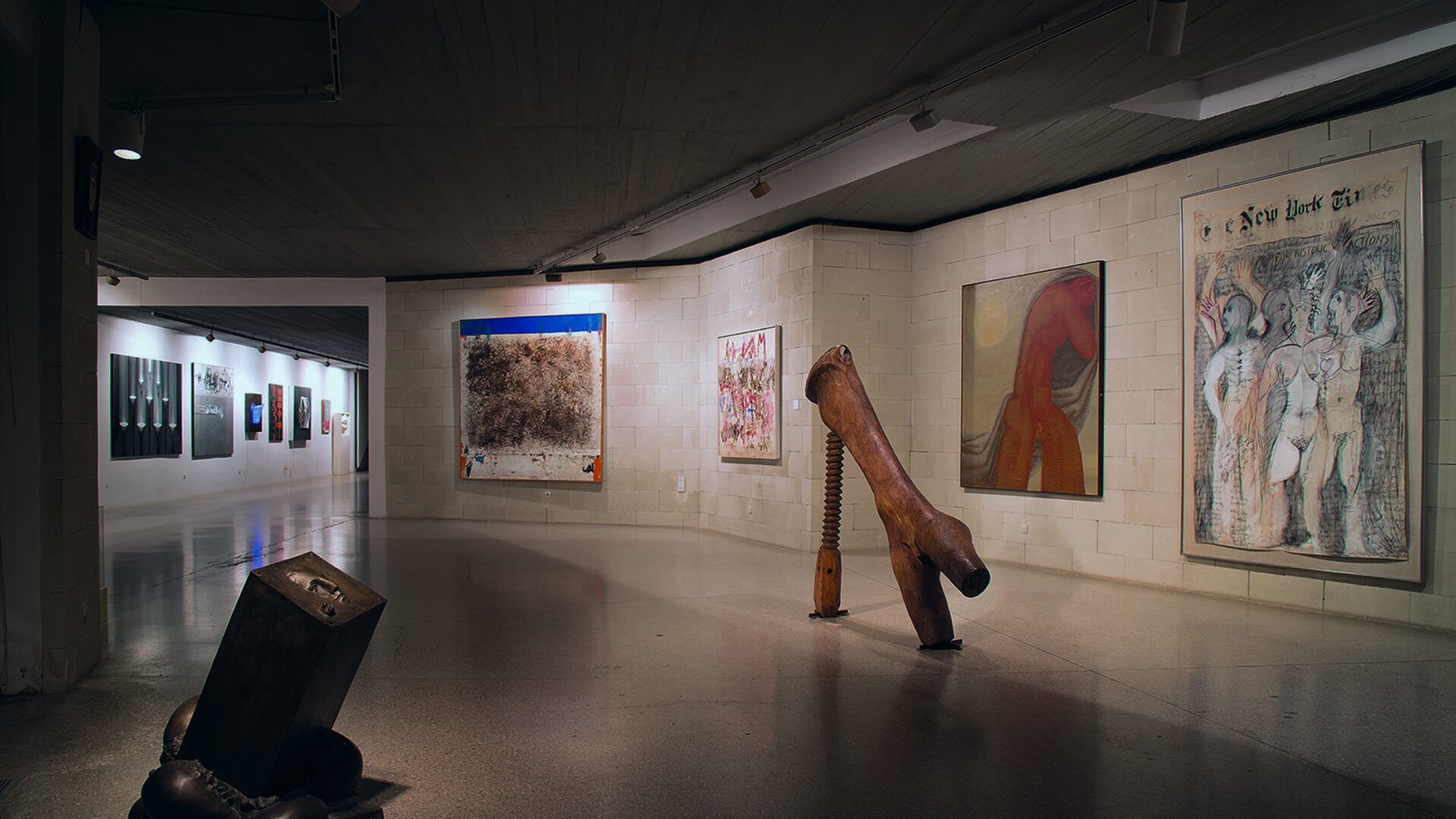
The collections of the Vorres Museum are organized around two main axes. The first focuses on Greek folk art, covering more than 2,000 years of cultural history and including everyday objects, ceramics, textiles, religious artifacts, and traditional furniture, reflecting the evolution of Greek life and craftsmanship over time. These exhibits are displayed in spaces designed to resemble traditional Greek homes, creating an immersive and authentic visitor experience. The second section is dedicated to modern and contemporary Greek art of the 20th century and beyond, featuring works by significant Greek artists and references to international artistic movements such as surrealism, expressionism, and abstraction, highlighting the development of modern artistic creation in Greece.
As part of its cultural mission, the museum has developed collaborations with major institutions and hosts special exhibitions, including the collection of the Yiannis and Zoe Spyropoulos Foundation, which presents the work of the prominent Greek abstract painter Yiannis Spyropoulos. In addition, the Vorres Museum functions as a vibrant cultural space offering educational programs, workshops, events, and activities for all ages, strengthening the public’s connection with art and cultural heritage. Its spaces, combined with its impressive Mediterranean gardens, create a unique environment where history, tradition, and contemporary artistic expression coexist harmoniously.