Archaeological Museum of Corfu
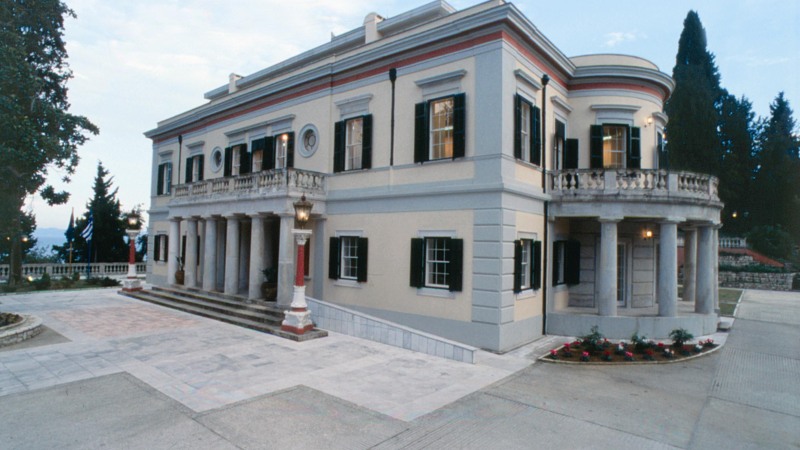
The Archaeological Museum of Corfu is located in the Garitsa area and has been housed since 1967 in a two-storey modernist building.
It preserves and presents the archaeological heritage of the island of Corfu, covering a long historical span from prehistoric times to the Roman period.
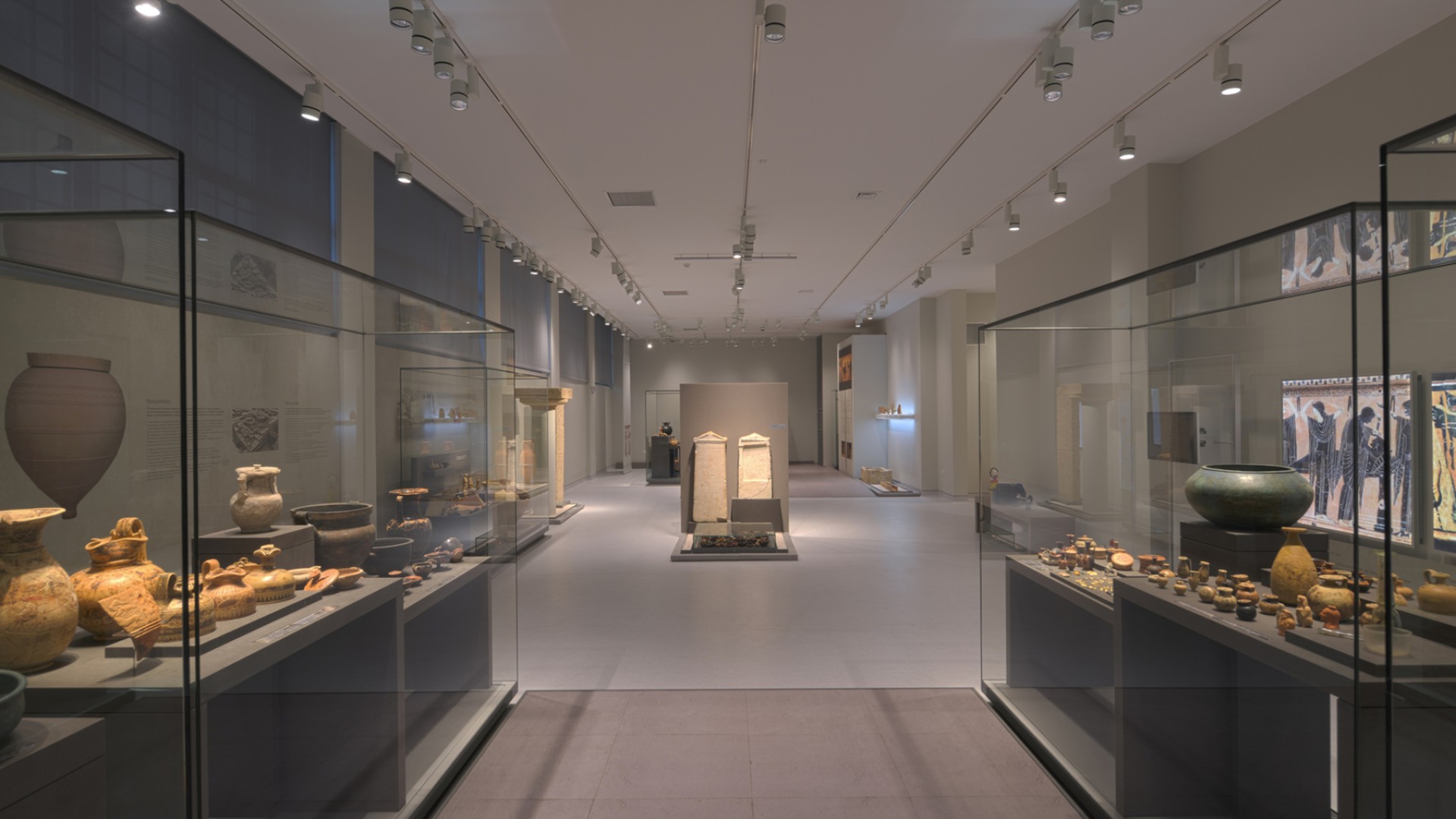
The museum underwent extensive renovation and modernization between 2012 and 2016, aiming to improve both the building and the exhibition layout. The new display introduces visitors to the cultural history of Corfu through a rich collection of artifacts, including works of art, inscriptions, sculptures, and everyday objects.
The exhibition is organized on two levels. On the ground floor, selected finds guide visitors through the island’s distant past, from the Paleolithic era to the Bronze Age, and then to the foundation of the ancient city during the 8th century BC colonization period. These displays also highlight Corfu’s early contacts with other powerful Greek city-states.
On the upper floor, the exhibition follows the historical development of Corfu from the 7th century BC to the 4th century AD. It explores key historical phases such as its prosperity during the Archaic and Classical periods due to trade, the turmoil of the late 5th century BC during the Peloponnesian War, the instability of the Hellenistic period, and its eventual incorporation into the Roman world in 229 BC, followed by a brief revival under Roman rule.
The upper galleries present material from public spaces, sanctuaries, private houses, workshops, and cemeteries of ancient Corfu, as well as finds from other parts of the island such as Kassiópi, Acharavi, Almyros, Afionas, and Roda. The exhibition is structured into thematic sections that reveal aspects of daily life, religious beliefs, economic activities, and the importance of the city-state in shaping identity.
Among the most important exhibits are the Archaic temple pediment of Artemis depicted as a Gorgon, the funerary monument known as the “Lion of Menekrates,” and significant inscriptions such as the stele of Arniadas and the capital of Xembaros, all of which highlight the artistic and historical significance of ancient Corfu.