Archaeological Museum of Kos
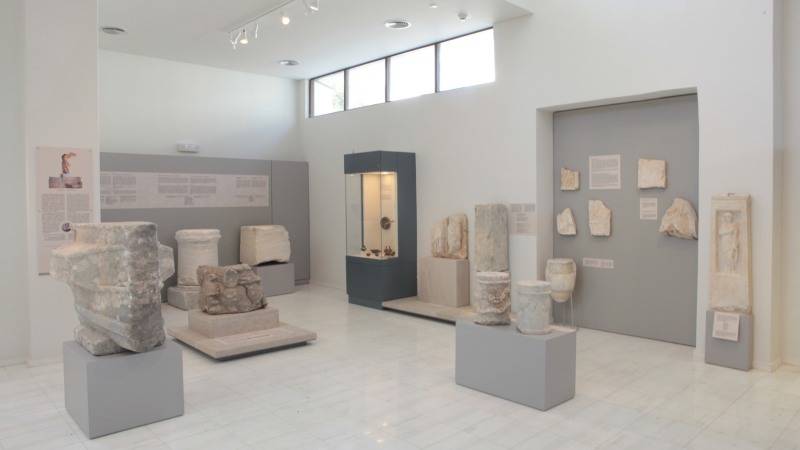
The Archaeological Museum of Kos is one of the island’s most important cultural landmarks, presenting a remarkable collection of finds that reflect the rich history of Kos from the Hellenistic to the Roman period.
Located in Eleftherias Square in the center of Kos Town, the museum houses sculptures, mosaics, pottery, and archaeological discoveries unearthed from major excavation sites across the island, including the Ancient Agora, the Western Archaeological Zone, the Odeon, the Altar of Dionysus, and the famous Casa Romana.
The museum building itself is a historic monument dating back to the Italian occupation of the Dodecanese. Constructed in 1935 and officially opened in 1936, it was designed to preserve and showcase the many archaeological treasures discovered after the devastating earthquake of 1933, which led to extensive excavations and urban redevelopment in Kos. The architecture combines monumental Italian influences with elements of international modernist style, making the building an important historical attraction in its own right.
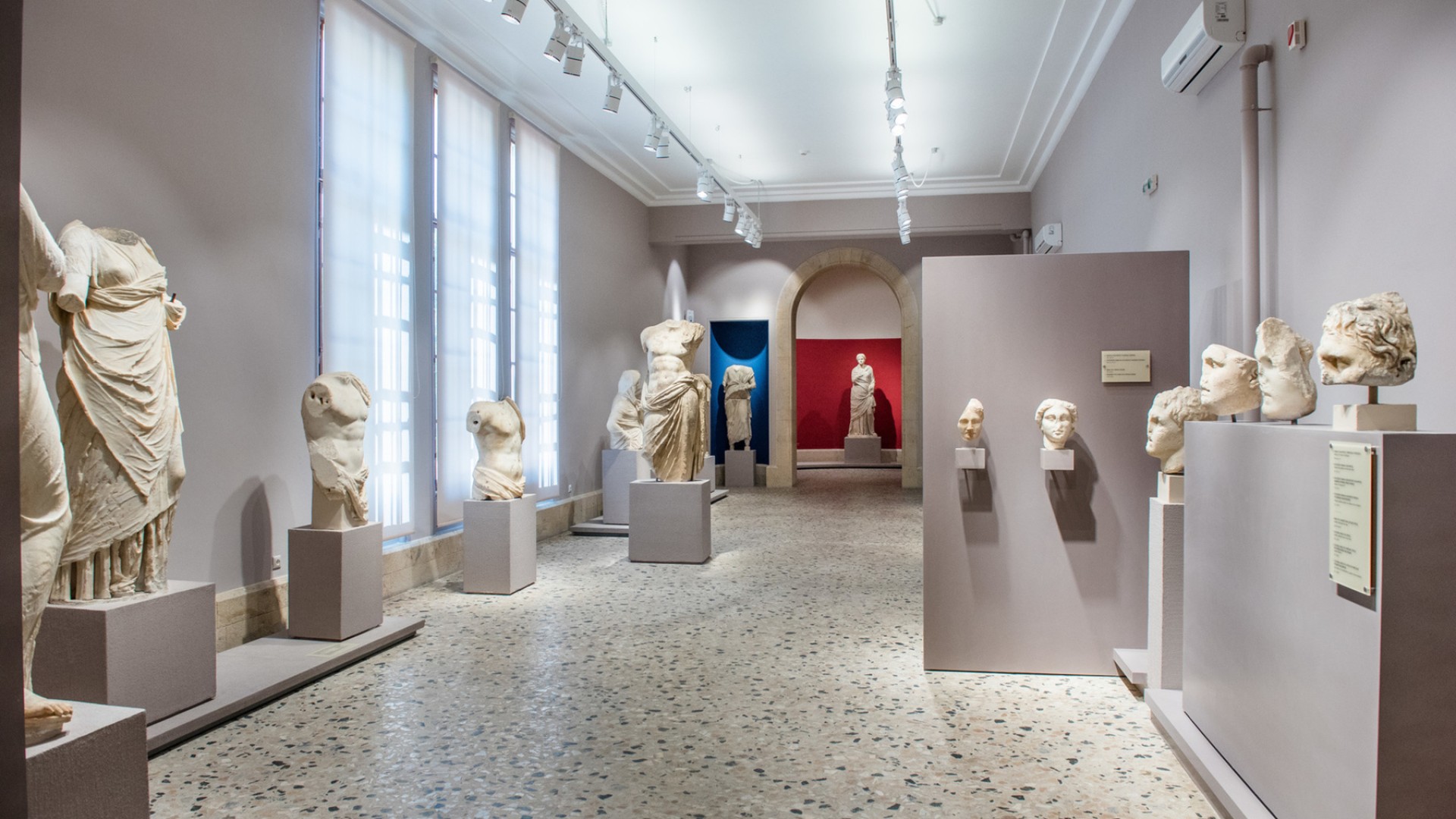
The museum’s exhibition is mainly displayed on the ground floor and features exceptional works of sculpture from different historical periods. Among the most impressive exhibits are the colossal marble head of Hera from the 2nd century BC, the famous statue traditionally identified as Hippocrates, elegant female statues wearing the characteristic “Coan garments,” and representations of gods and goddesses such as Aphrodite, Demeter, Athena, Artemis, Asclepius, and Hygieia.
The museum also displays outstanding Roman sculptures and beautiful mosaics. One of the most remarkable is the mosaic depicting the arrival of Asclepius in Kos, dating to the 3rd century AD, while another Hellenistic mosaic showing a marine landscape comes from the restored Roman House, Casa Romana.
Although the first floor is currently not open to visitors, it contains important collections of pottery and smaller artifacts from the Mycenaean and Geometric periods. The museum continues to preserve and study archaeological discoveries from across the island and remains under the supervision of the Greek Ministry of Culture.
Today, the Archaeological Museum of Kos offers visitors a fascinating journey through the island’s ancient past, highlighting its artistic achievements, religious traditions, and historical importance in the ancient Aegean world.