Archaeological Museum of Sifnos
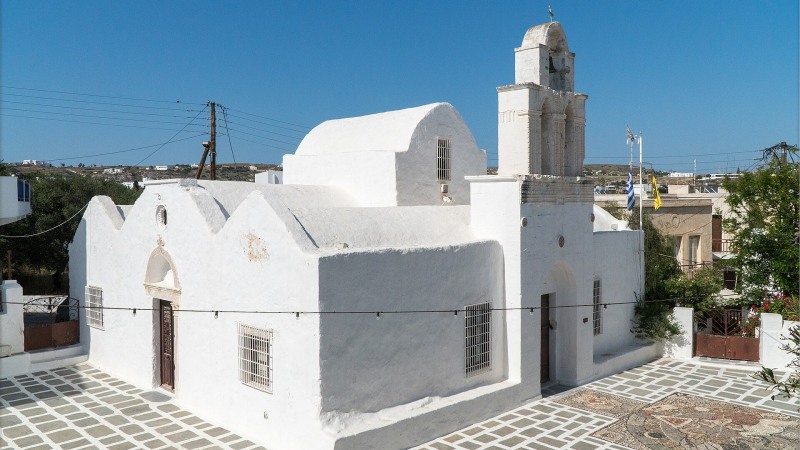
The Archaeological Museum of Sifnos is housed in a traditional building within the medieval settlement of Kastro, forming part of the island’s historic core.
The museum was restored by the Greek Ministry of Culture in the early 1980s and has been operating since 1986, preserving and presenting the archaeological heritage of the island in a carefully adapted historic space.
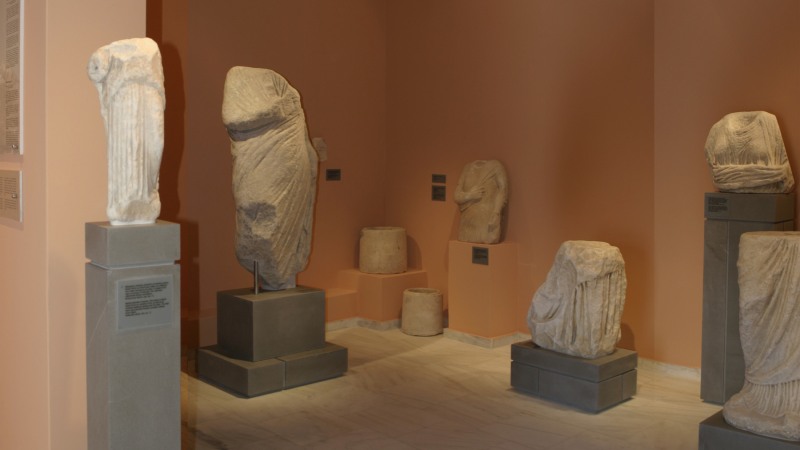
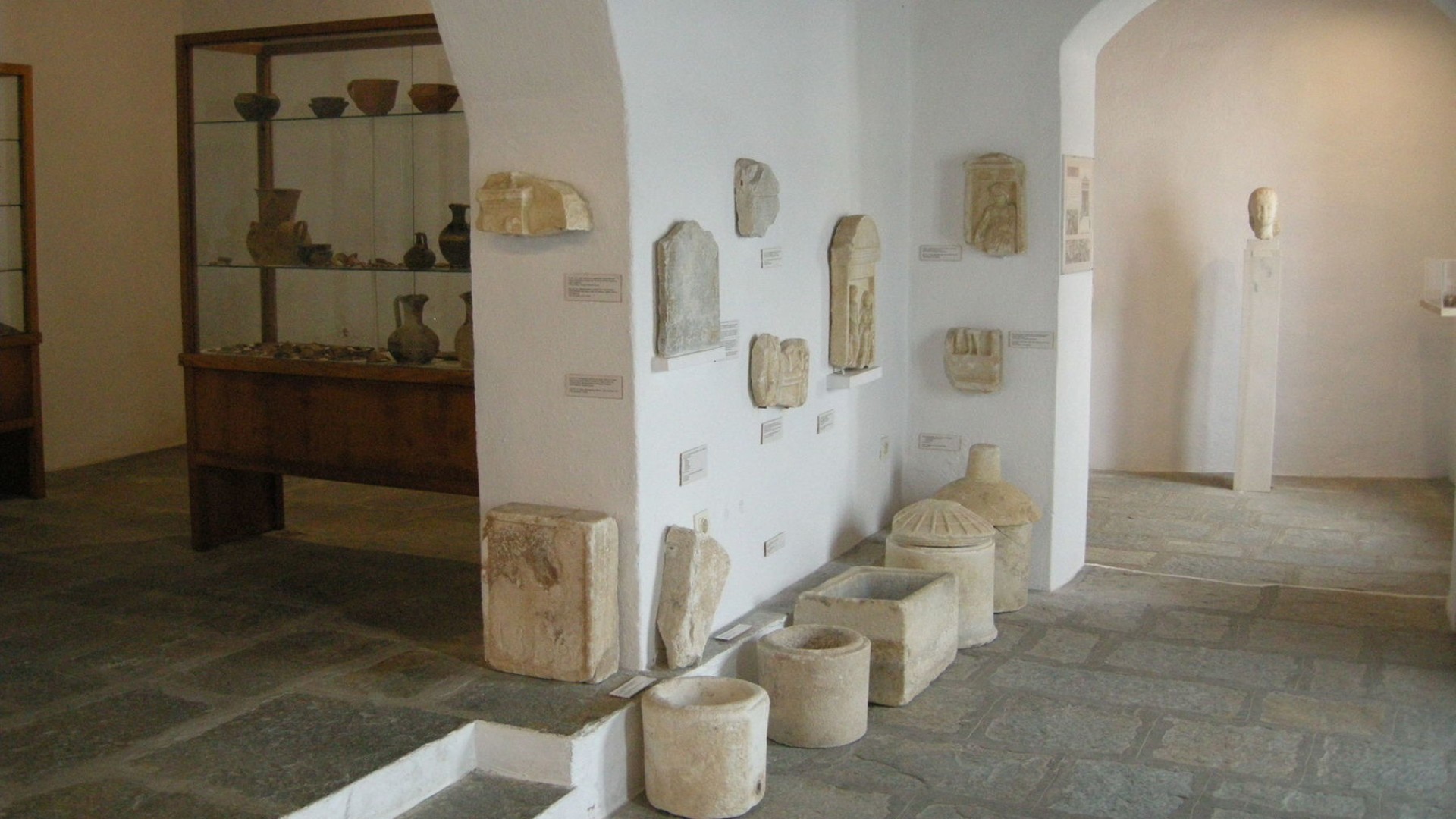
Its collections include sculptures, pottery, and inscriptions dating from the Early Iron Age to the late Roman period. Among the most important exhibits are marble funerary reliefs and architectural elements, such as an ornate 4th-century BC grave stele crown, a marble female head from the 4th century BC, a kouros head from the mid-6th century BC, and a 6th-century BC Ionic capital. These works reflect the artistic development of Sifnos through the Archaic, Classical, Hellenistic, and Roman periods.
The museum also includes ceramics from the settlement at Kastro, spanning from the Geometric (8th century BC) to the Hellenistic period (2nd century BC), as well as a collection of ancient coins. Together, these artefacts illustrate the island’s long cultural continuity and its connections with the wider Aegean world.
The building itself is an integral part of the exhibition experience, as it belongs to the traditional architectural fabric of Kastro. An expansion is planned to accommodate finds from the Mycenaean acropolis of Agios Andreas, further enriching the museum’s role as a key cultural institution of Sifnos.