Archaeological Museum of Patras
The Archaeological Museum of Patras is one of the most important and modern archaeological museums in Greece.
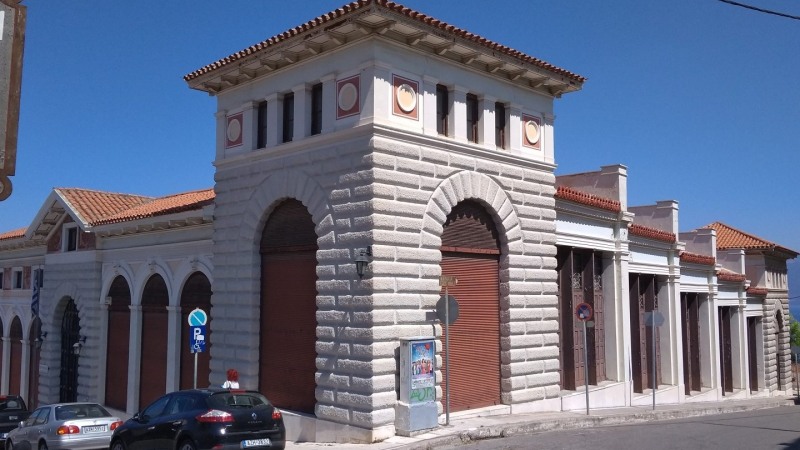
Located at the northern entrance of the city of Patras, on the Patras–Athens National Road, the museum opened its doors in 2008. The impressive building was designed by the architect Theofanis Bobotis and stands out for its contemporary architecture and functionality, offering a modern space dedicated to culture and education.
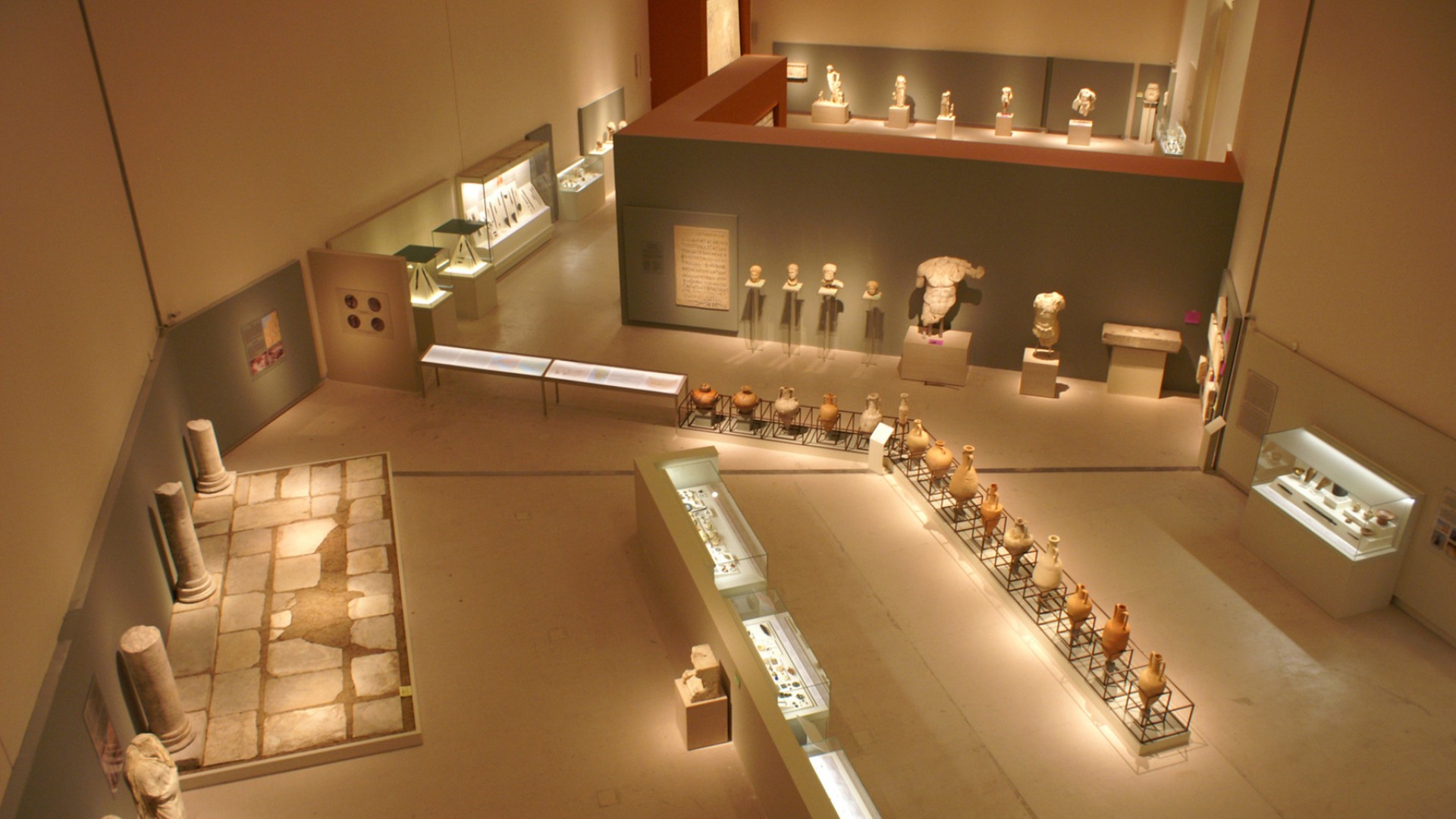
Covering an area of approximately 5,955 square meters, the museum features spacious exhibition halls that display archaeological finds from the city of Patras and the wider regions of southern and western Achaia. The exhibits date from the 4th millennium BC to the 4th century AD, presenting the historical and cultural evolution of the area through the centuries.
The permanent exhibition is organized into three major thematic sections, through which visitors can explore aspects of daily life, public activities, and burial customs in ancient Patras. Among the most remarkable exhibits are exquisite Roman mosaics, sculptures, pottery, jewelry, inscriptions, and everyday objects that reveal the prosperity and importance of the city during antiquity.
In addition to its permanent collections, the museum regularly hosts temporary exhibitions dedicated to special archaeological and historical themes, offering visitors the opportunity to discover different aspects of the cultural heritage of Achaia and Greece as a whole.
The Archaeological Museum of Patras also functions as a vibrant cultural center. It includes an amphitheater that hosts lectures, cultural events, and artistic performances, as well as educational programs for students, researchers, and visitors of all ages. Its modern facilities, welcoming reception areas, and café contribute to a pleasant and enriching visitor experience.
Today, the museum serves as an important center of culture and knowledge for Patras and the wider region of Achaia, inviting visitors to discover the rich history of the area through unique archaeological treasures and modern museological approaches.