
Archaeological Museum of Nikopolis
The Archaeological Museum of Nicopolis is one of the most important museums in western Greece and is dedicated exclusively to the ancient city of Nicopolis.
It operates under the Ephorate of Antiquities of Preveza, a regional service of the Greek Ministry of Culture, and is located just 2 kilometers from the archaeological site of Nicopolis, the city founded by Octavian Augustus after his victory at the Battle of Actium in 31 BC.
The museum officially opened in 2009 and is the third museum established for the preservation and presentation of the findings from Nicopolis. Its creation became necessary because of the large number of archaeological discoveries uncovered during extensive excavations in recent decades, as well as the need for a modern museum capable of presenting the history of the city in a comprehensive way.
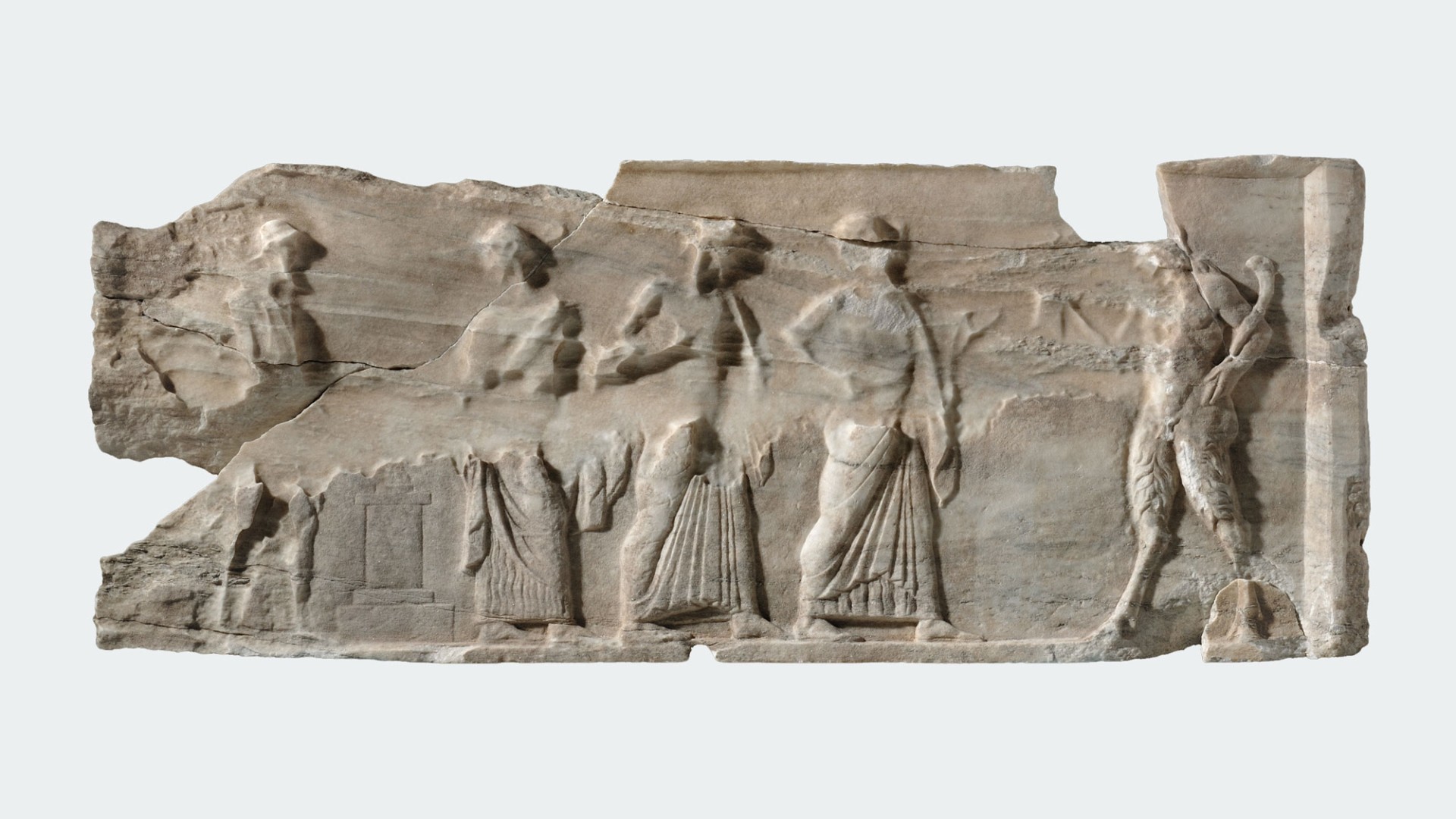
The permanent exhibition is based on the central theme “One Naval Battle – One City – One Empire” and presents the history of Roman and Byzantine Nicopolis. Through more than 1,000 exhibits, visitors can explore various aspects of public and private life in the city, as well as its political, economic, and religious development over the centuries.
The exhibition is organized into nine thematic sections and includes sculptures, inscriptions, mosaics, pottery, coins, everyday objects, and architectural elements. These exhibits highlight the importance of Nicopolis as one of the major cities of the Roman Empire in Greece.
The history of museums connected with Nicopolis dates back to the early 20th century. The archaeologist Alexandros Philadelpheus, the first excavator of the site after the liberation of Preveza in 1913, initially gathered the archaeological finds in the basement of the town hall of Preveza. Later, he transferred them to the Ottoman mosque of Saint Andrew, which he converted into a museum.
Today, the Archaeological Museum of Nicopolis serves as an important cultural institution and a key point of reference for understanding the history of ancient Nicopolis. It functions not only as a museum but also as a center for education, research, and cultural activity for the region of Epirus and western Greece.