Archaeological Museum of Kilkis
The Archaeological Museum of Kilkis is an important cultural institution in Central Macedonia that presents the long history and archaeological heritage of the Kilkis region.
The museum first opened in 1972–1973 with the aim of collecting and preserving artifacts discovered during excavations and donations from local residents. Its collections cover a wide historical period, from the Neolithic Age to the Late Roman era.
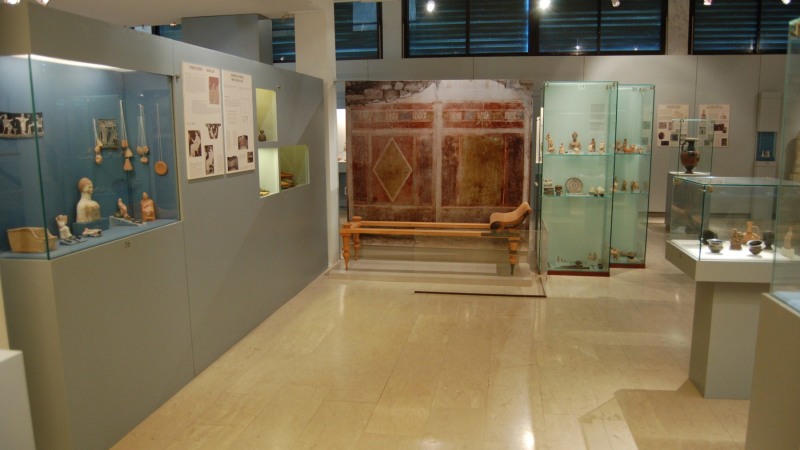
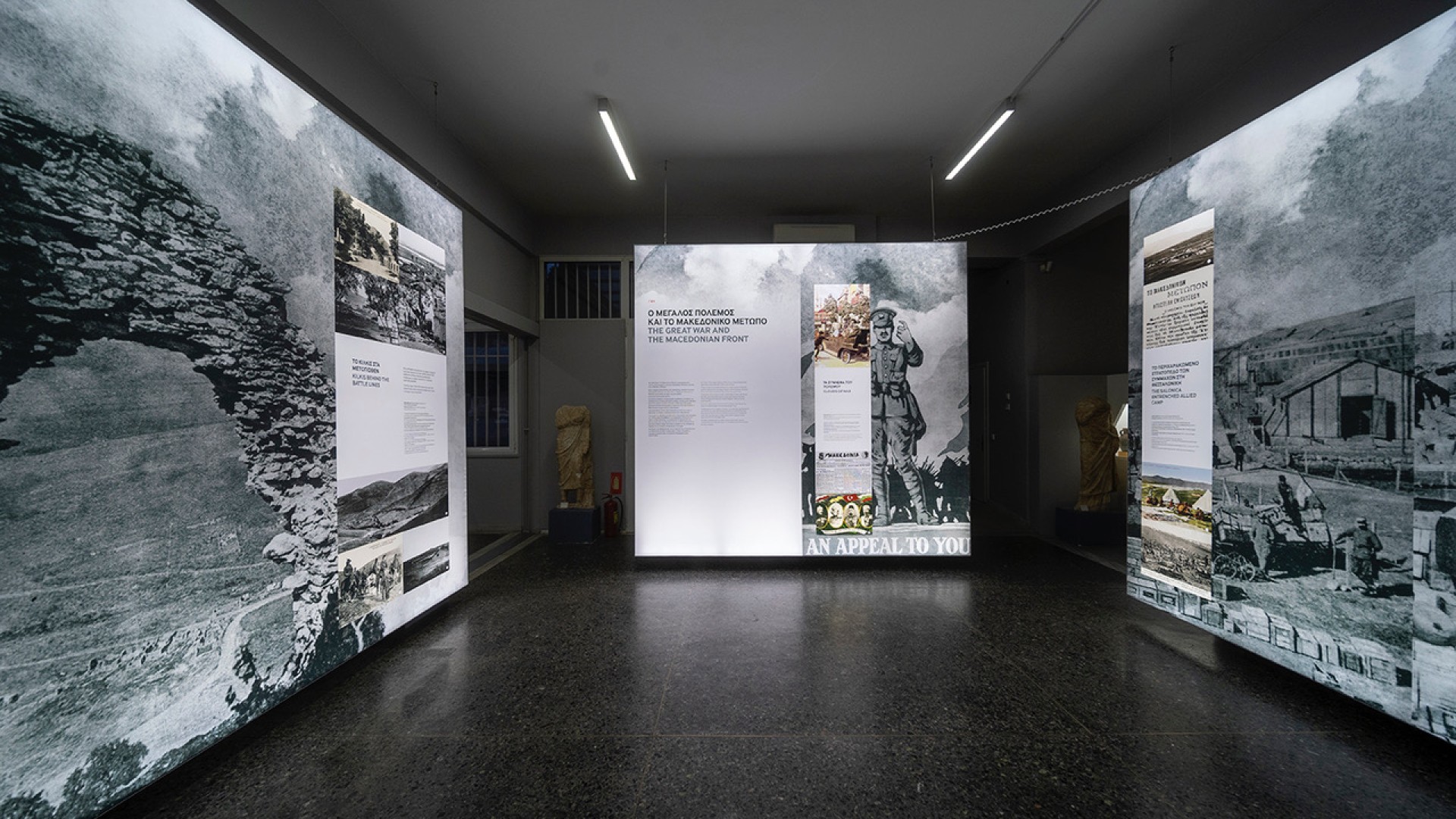
The exhibits are arranged chronologically and originate from important archaeological sites across the region, including Kolchida, Palaio Gynaikokastro, Filyria, Evropos, and Palatiano. In the entrance hall, visitors can see prehistoric findings such as stone figurines, amulets, and objects from Neolithic settlements. The first exhibition hall focuses on the Iron Age and includes funerary urns, bronze jewelry, and iron weapons discovered in burial cemeteries. The second hall presents sculptures, inscriptions, grave stelai, pottery, and figurines from the Classical, Hellenistic, and Roman periods. Among the museum’s most important exhibits are the Kouros of Evropos, a statue of a young man dating to the 6th century BC, and the impressive statues from the Roman heroon of Palatiano. The renovated museum building, located in the northern part of the city of Kilkis, combines modern museological design with educational and cultural activities. Its exhibitions highlight the historical importance of the region as a crossroads between the Aegean world and Central Europe, while also introducing visitors to the wider archaeological landscape of Kilkis, including the ancient city of Europos and the Roman settlement of Palatiano. Today, the museum stands as a significant center for the preservation and promotion of the cultural identity and archaeological wealth of the Kilkis region.