Archaeological Museum of Abdera
The Archaeological Museum of Abdera presents the historical development of the ancient city of Abdera from its foundation in the 7th century BC until the Byzantine period.
Through its collections, visitors can explore the daily life, culture, and important role that Abdera played in Thrace and the wider ancient Greek world.
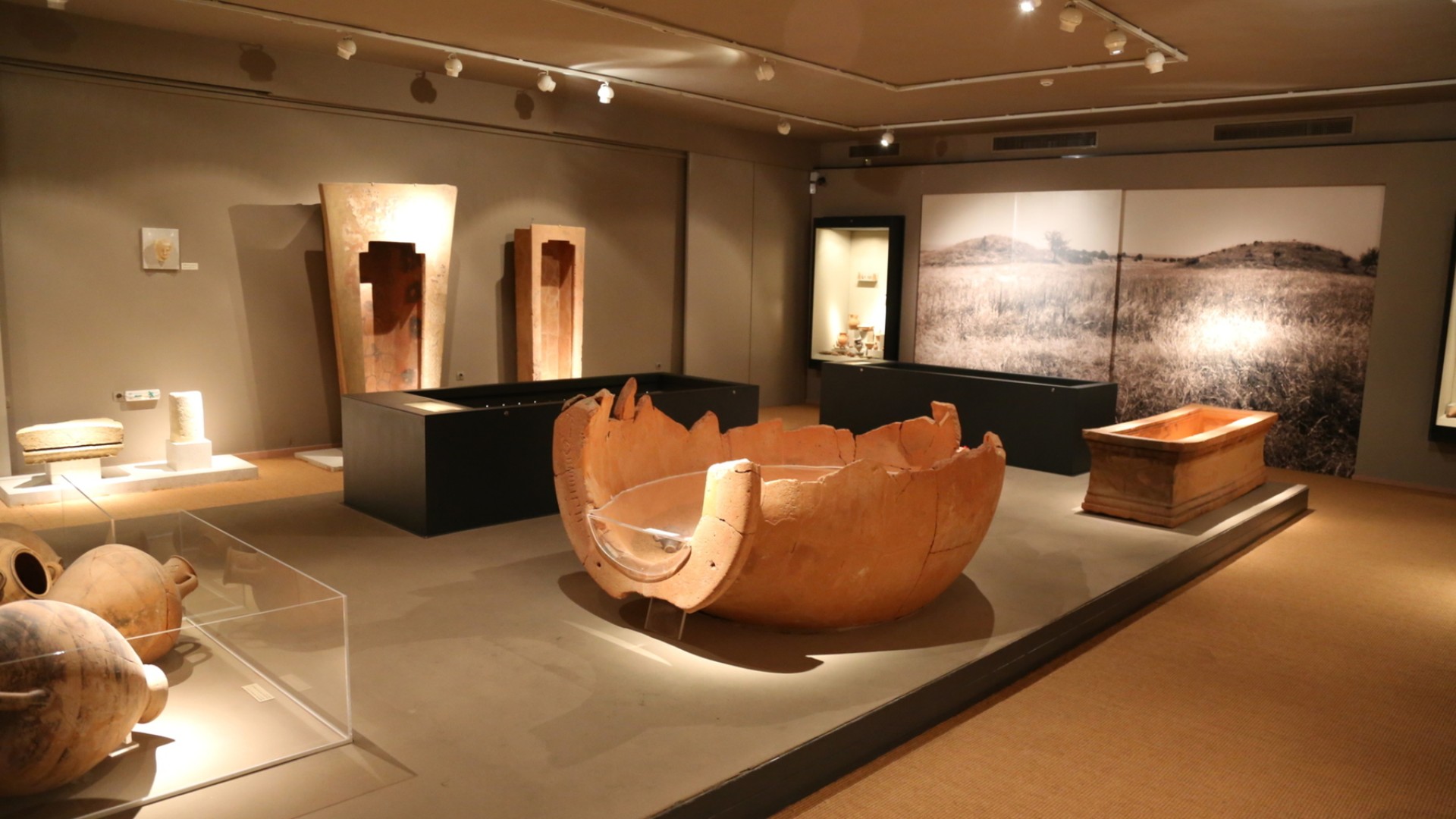
The museum exhibits artifacts discovered in the ancient city and its cemeteries, covering a time span from the 7th century BC to the 13th century AD. The exhibition is organized into three main thematic sections: public life, private life, and burial customs. Pottery, jewelry, tools, inscriptions, and other findings reveal important aspects of the social, economic, and religious life of the inhabitants.
The museum has a strong educational character and supports its exhibitions with explanatory texts, photographs, maps, and drawings, helping visitors better understand the history of the region. It also hosts cultural activities, scientific events, and educational programs, contributing actively to the cultural development of Thrace.
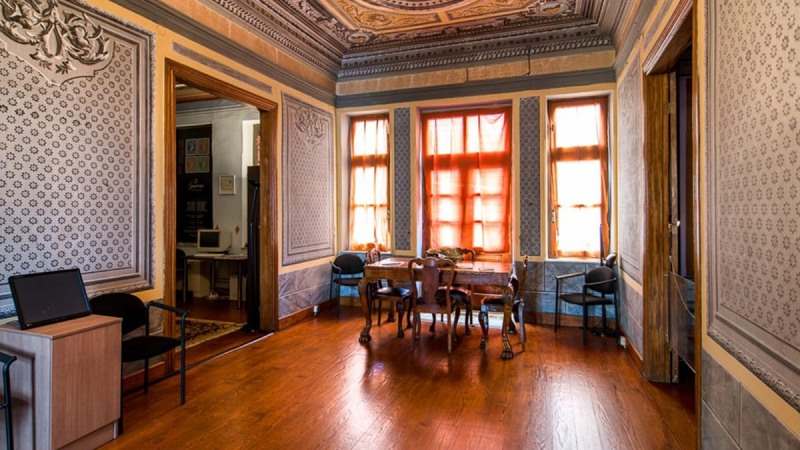
The modern museum building, inspired by the traditional architectural style of Thrace, was completed during the 1990s, while the permanent exhibition officially opened in 2000. Today, the museum is considered one of the most important archaeological and cultural institutions in Eastern Macedonia and Thrace.