Folklore and Historical Museum of Larissa
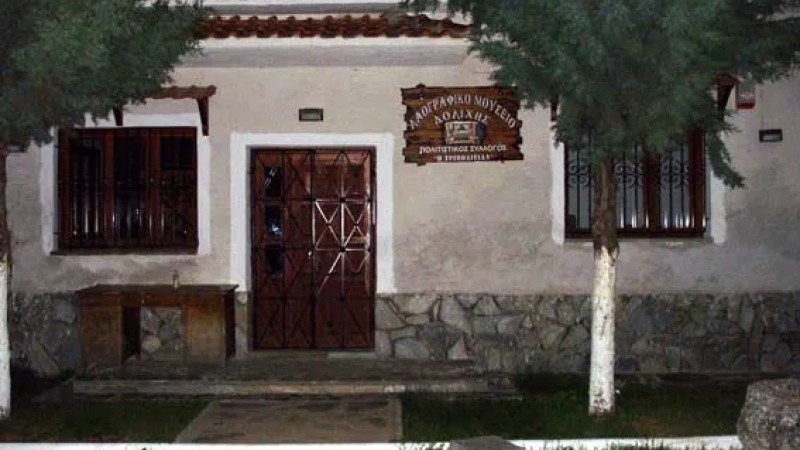
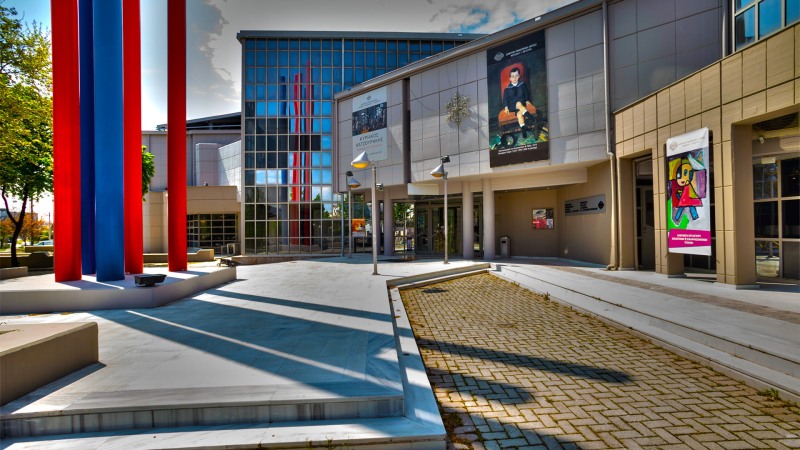
The Folklore and Historical Museum of Larissa is an important cultural institution dedicated to preserving, studying, and presenting aspects of modern Greek civilization, with a particular focus on Thessaly.
Its collections cover a broad chronological range from the 16th century to the mid-20th century, documenting the traditional, pre-industrial way of life in the region up until its rapid industrialization in the 1950s. Through its permanent exhibition, the museum highlights rural life and material culture, while aspects of urban life in Larissa are mainly presented through temporary exhibitions and educational programs.
The museum was founded in 1974 by the Folklore Society of Larissa, led by Georgios and Lena Gourgtioti, with the aim of collecting and preserving evidence of Thessaly’s vanishing traditional culture. After years of effort, collecting artifacts, conducting field research, and organizing exhibitions, the Folklore Society formally established the Folklore and Historical Museum of Larissa in 1981, which opened to the public in 1983. Since then, the institution has grown significantly, both in terms of collections and cultural activity.
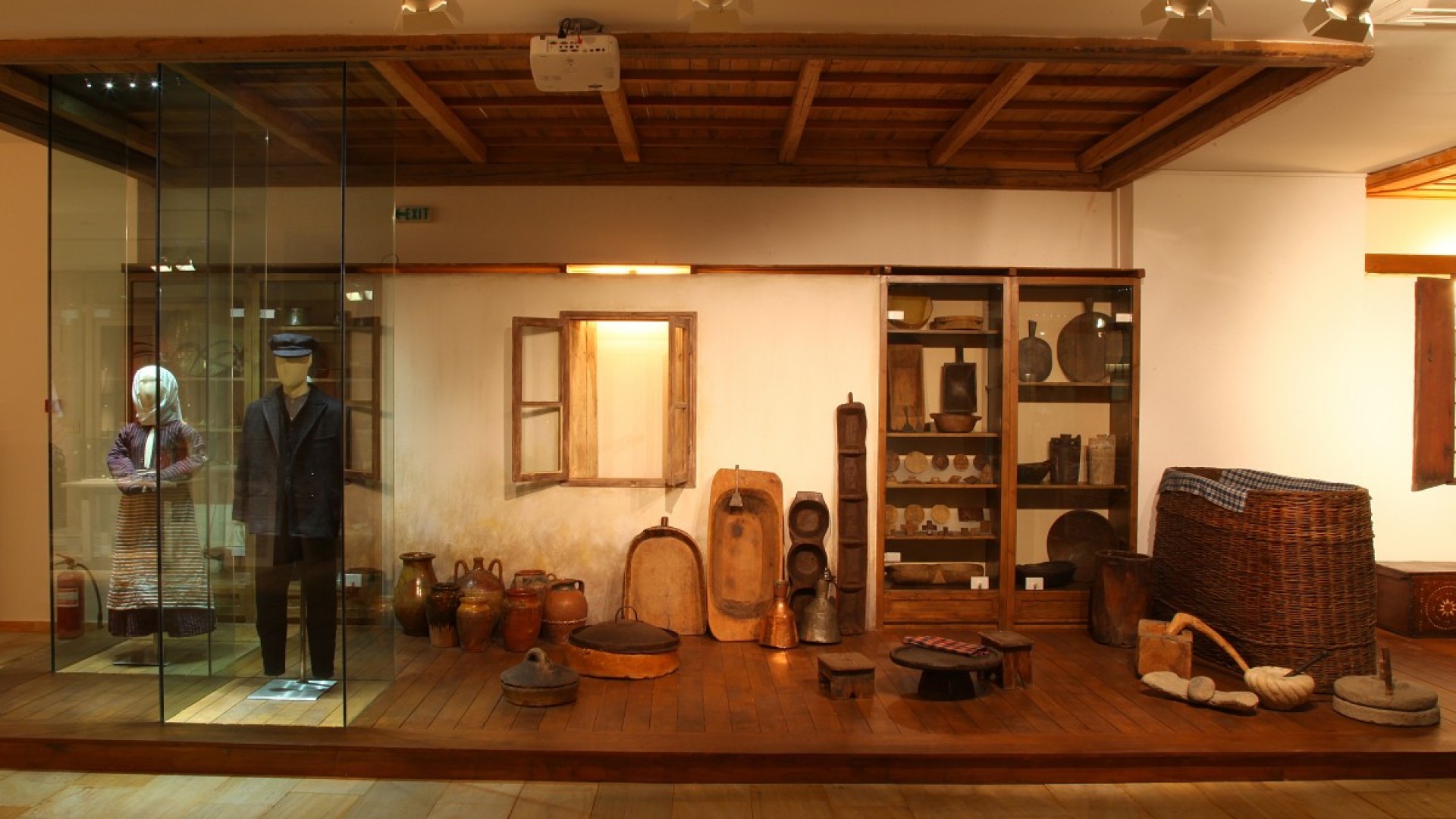
Today, the museum houses more than 15,000 objects that represent the everyday life, craftsmanship, and artistic traditions of the region. Its collections include textiles, traditional costumes, agricultural tools, woodblock prints, embroidery, metalwork, ceramics, religious and secular silverware, paintings, and musical instruments. Particularly notable are the collections of woven textiles and printed fabrics from local workshops, as well as objects documenting rural occupations such as farming, livestock breeding, fishing, and domestic crafts.
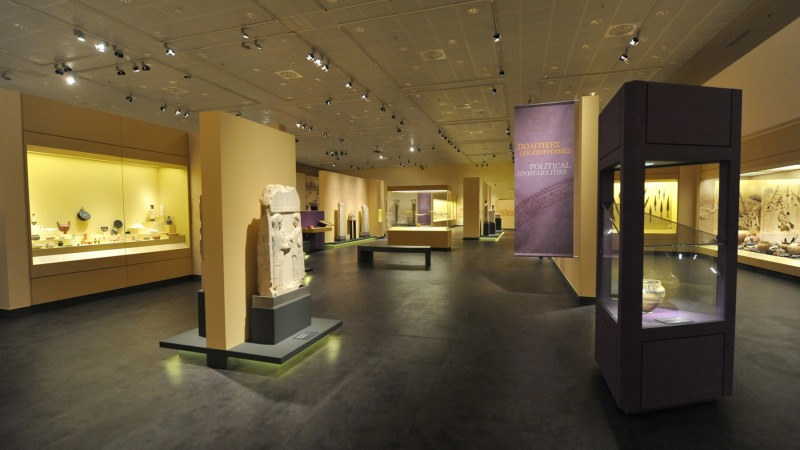
The permanent exhibition is organized thematically, reflecting aspects of pre-industrial life such as housing, agriculture, clothing, and local economic activities. The museum is also enriched by archaeological finds, photographs, engravings, historical documents, coins, weapons, and jewelry, which help bring the historical narrative to life within the exhibition space. In addition, a dedicated section hosts temporary exhibitions that present selected parts of the collections in new contexts.
Beyond its exhibition work, the museum plays a strong educational and cultural role. It regularly organizes conferences, lectures, seminars, and cultural events, while also producing scholarly publications on traditional culture and modern history. Its educational department offers programs for students, families, and the wider community, encouraging active engagement with cultural heritage. The museum library further supports research, containing books on history, ethnography, folklore, and art history.
Overall, the Folklore and Historical Museum of Larissa functions as a dynamic cultural center for Thessaly. Through its continuous research, preservation efforts, and public outreach, it not only safeguards the region’s heritage but also connects it to contemporary society, ensuring that traditional culture remains accessible and meaningful to future generations.