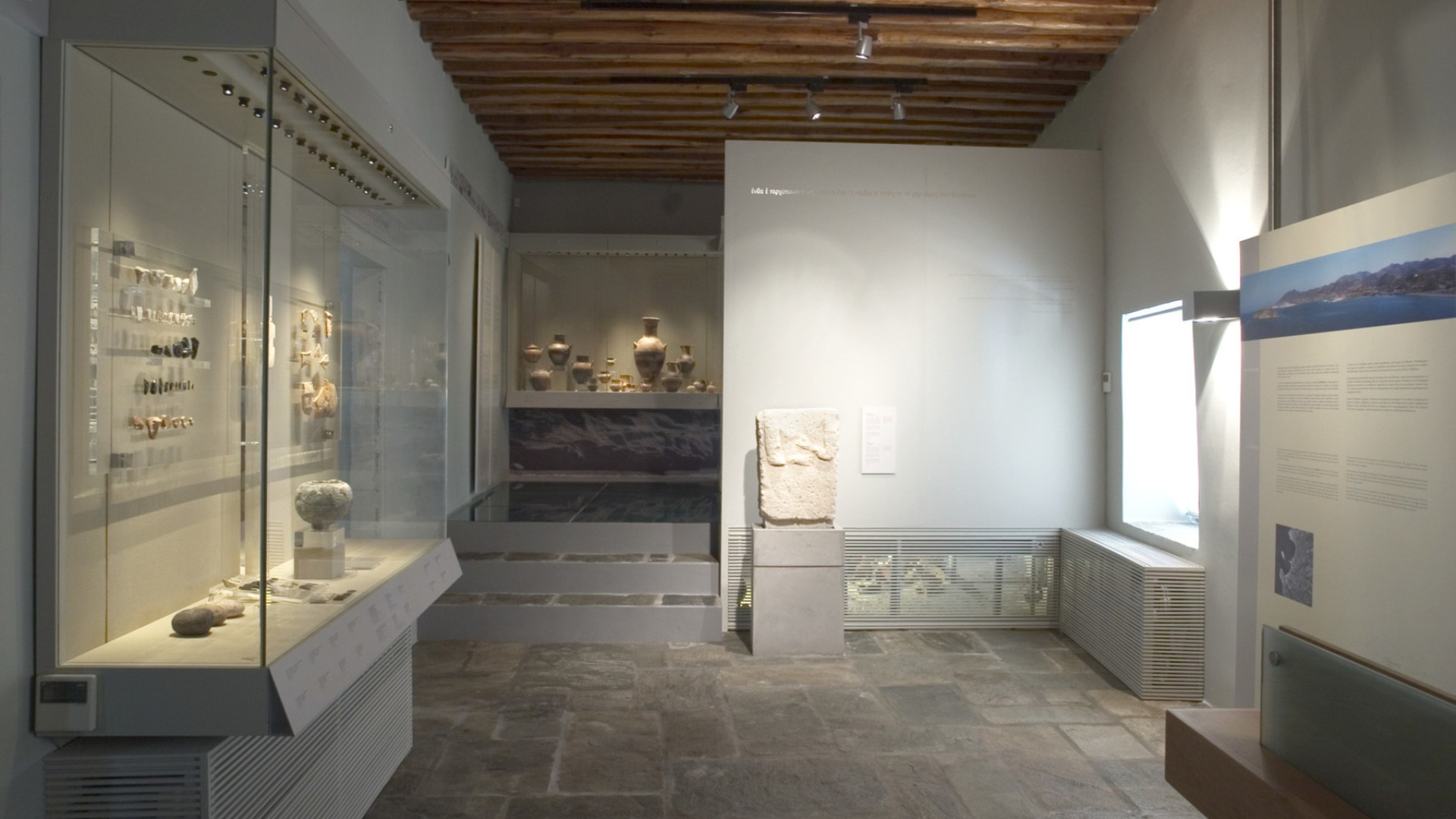
Archaeological Museum of Kimolos
The Archaeological Museum of Kimolos has a long and complex history closely tied to the preservation of the island’s cultural heritage.
It was officially founded in 1954, largely due to the efforts of local residents who sought to keep important archaeological finds on the island rather than transferring them to the National Archaeological Museum in Athens. These early discoveries, which included more than 300 pottery vessels, came mainly from excavations at the ancient cemetery of Kimolos in the area of Ellinika.
Over the following decades, the collection changed several locations. After being temporarily housed in a small room in a local care institution, it was eventually relocated in 1970 to the donated residence of Dr. Vafias. However, due to long delays in restoration, the building fell into disrepair, and the artefacts were again moved in 1994 to a temporary exhibition space near the local community facilities.
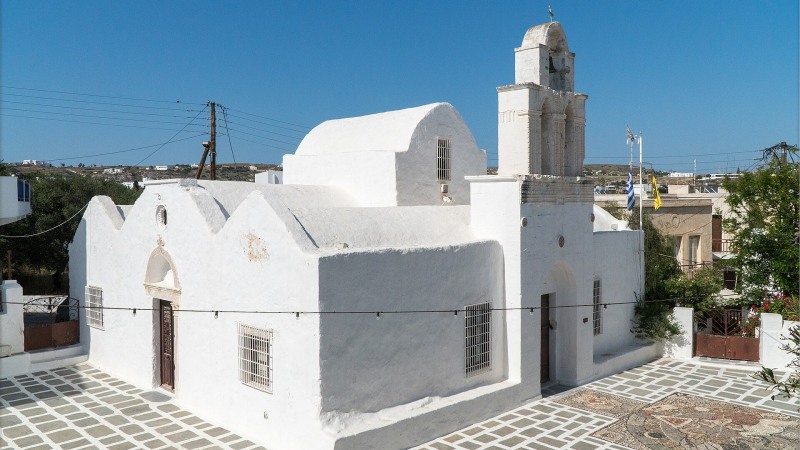
Restoration work on the Vafias residence began in 1995 and was completed in 2001, transforming the historic 19th-century house into a proper museum space. The museum finally opened to the public in 2006 and was officially inaugurated in 2008, marking the end of a long and difficult journey for the collection.
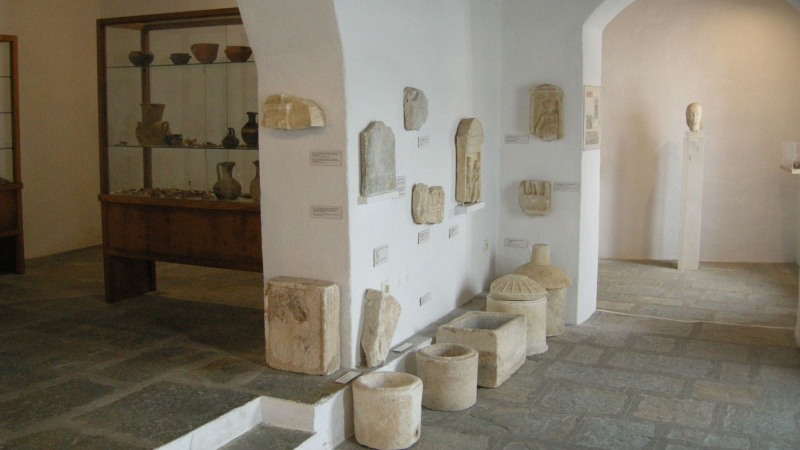
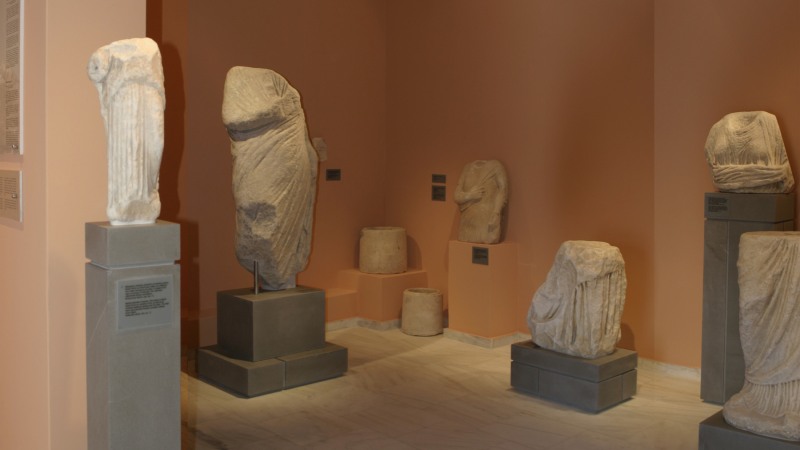
Today, the Archaeological Museum of Kimolos is housed in a traditional two-storey building and presents finds spanning from prehistoric times to the late Roman period. Most of the exhibits come from the cemetery of the ancient city at Ellinika, along with other discoveries from across the island. The collection includes pottery, everyday objects, and artefacts that reveal aspects of life, burial customs, and cultural development on Kimolos over thousands of years.