Ecclesiastical Museum in Adamas Milos
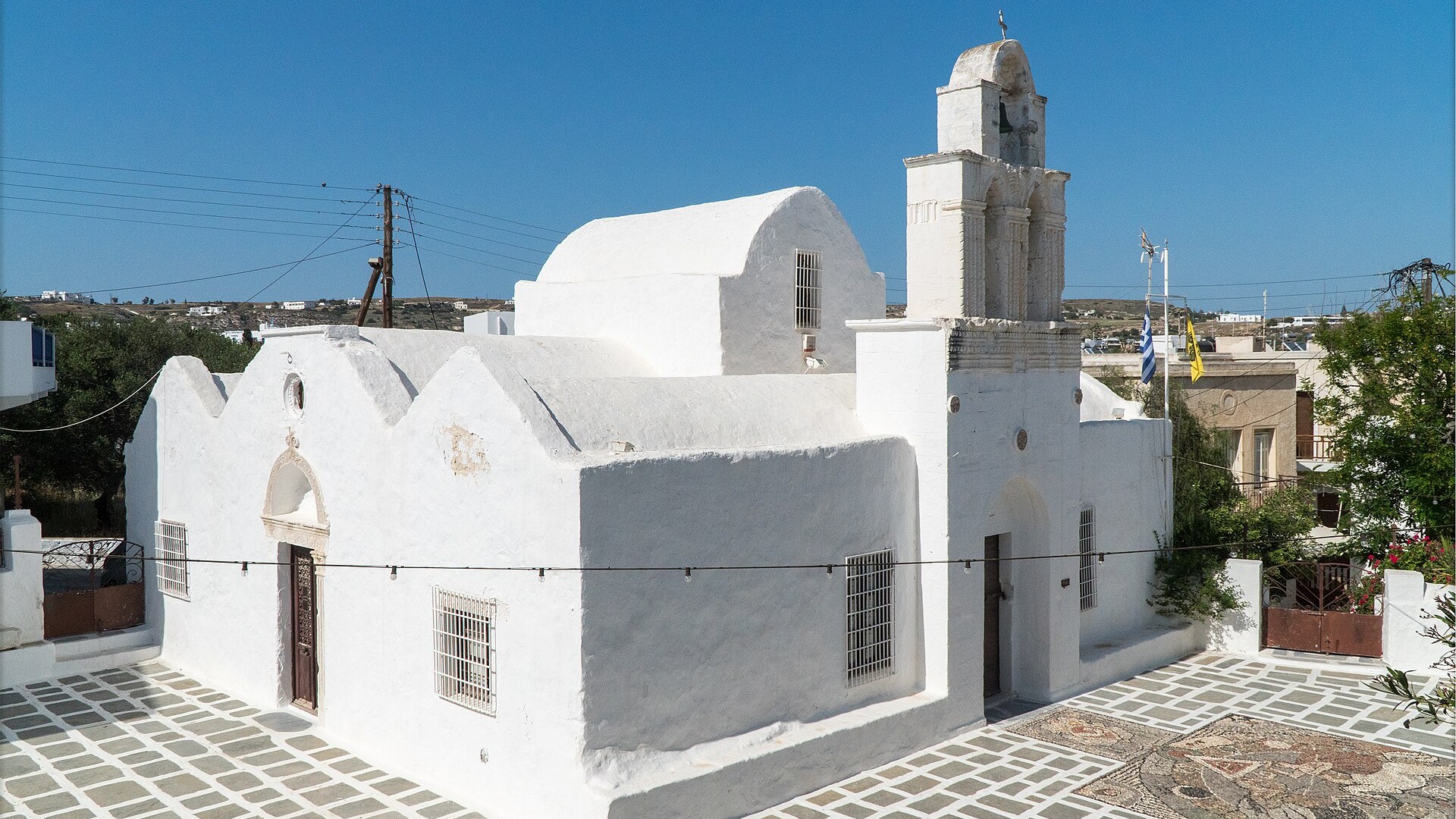
The Ecclesiastical Museum of Milos is an important cultural and religious museum located inside the Church of the Holy Trinity (Agia Triada) in Adamas, on the island of Milos.
The museum preserves and presents a remarkable collection of ecclesiastical treasures that reflect the rich artistic and spiritual heritage of the island through many centuries of history.
The museum’s collection includes valuable icons, wood carvings, liturgical objects, and religious artifacts that reveal the prosperity and cultural development of Milos during the Venetian period. Many of the exhibits also reflect the close connections between the island and Melian communities abroad, particularly immigrants who lived in Russia and donated precious votive offerings to local churches.
Among the museum’s most significant treasures are rare 14th-century icons, including an exceptional icon of the Cretan School depicting the Deposition of Christ from the Cross. The collection also features important works by the famous Cretan painters Emmanuel and Antonios Skordilis, who settled in Milos in 1647 and introduced a distinctive post-Byzantine artistic style influenced by Flemish copperplate engravings. Their paintings played a major role in the development of religious art on the island.
In addition to icons, the museum exhibits beautifully crafted ecclesiastical objects such as embroidered epitaphioi, elaborately carved wooden lecterns, icon stands, iconostases, and a bishop’s throne dating mainly from the 17th century. Visitors can also admire silver chalices, censers, and other liturgical vessels from the 18th century, as well as gold and silver votive offerings including rings, necklaces, earrings, and devotional jewelry donated by the faithful over the centuries.
The Ecclesiastical Museum of Milos not only showcases the high artistic quality of post-Byzantine religious art but also offers valuable insight into the island’s local traditions, religious customs, and everyday spiritual life. Through its collections, the museum preserves the memory of Milos’ religious and cultural identity while allowing visitors to appreciate the craftsmanship and devotion of earlier generations.
Located in the beautiful harbor village of Adamas, the museum is an important cultural landmark for anyone interested in Byzantine art, church history, and the rich cultural heritage of the Cyclades.