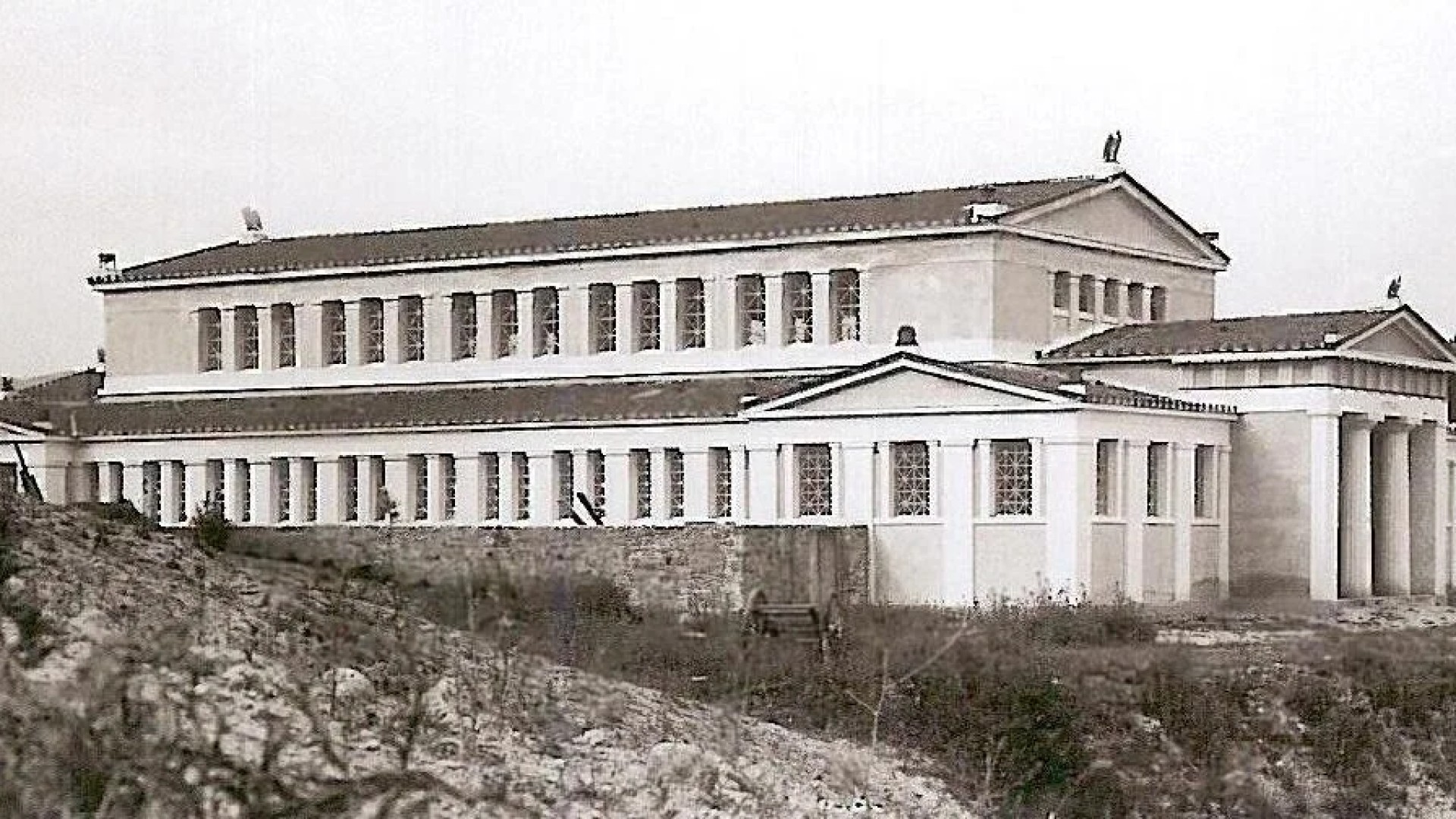
Archaeological Museum of Olympia
The Archaeological Museum of Olympia is one of the most important museums in Greece and is closely connected with the history of the ancient Sanctuary of Zeus and the Olympic Games.
Located near the archaeological site of Ancient Olympia, the museum houses priceless artifacts discovered during excavations in the sanctuary and surrounding area.
The history of the museum begins in the late 19th century, when the increasing number of archaeological discoveries created the need for a proper exhibition space. Between 1883 and 1887, the first museum of Olympia was built on a hill northwest of the archaeological site. The elegant neoclassical building was designed by the German architects and archaeologists Friedrich Adler and Ernst Curtius, who directed the first systematic excavations at Olympia. Its construction was funded through the generous donation of the Greek national benefactor Andreas Syngros.
After the destructive earthquakes of 1953 and the continuous discovery of new artifacts, a more modern museum became necessary. In the late 1950s, construction of the New Archaeological Museum of Olympia began in the valley northwest of Kronion Hill. The building was designed by the distinguished Greek architect Patroklos Karantinos and was completed in 1970. Its architectural design included a large central sculpture hall surrounded by exhibition galleries, offering visitors a modern and impressive museum experience.
A major reorganization of the exhibition started in 1974 under the supervision of archaeologist Nikolaos Gialouris and sculptors Stelios Triantis and Ismini Stypsianou. In 1982, the museum officially opened with the magnificent pedimental sculptures of the Temple of Zeus displayed as its central attraction. In 1994, the famous statue of the Winged Nike of Paionios was placed in its own specially designed hall.
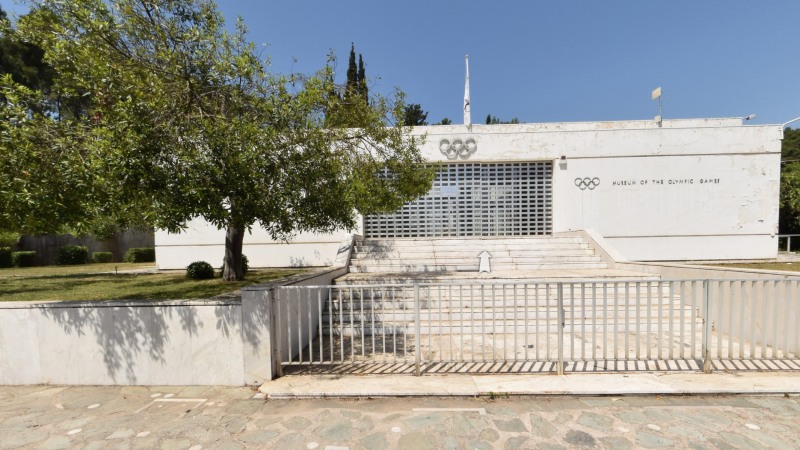
Before the Athens Olympic Games of 2004, the museum underwent extensive renovation and modernization according to contemporary museological standards. The renewed museum officially reopened on March 24, 2004, alongside the Museum of the History of the Olympic Games and the Museum of the History of Excavations.
Today, the Archaeological Museum of Olympia covers approximately 3,500 square meters of exhibition space and presents the history of the Sanctuary of Zeus from prehistoric times to the early Christian era. Its collections include votive offerings, sculptures, bronze objects, ceramics, and some of the finest masterpieces of ancient Greek art.
Among the museum’s most famous exhibits are the sculptural decoration of the Temple of Zeus, the statue of Hermes by Praxiteles, and the Winged Nike of Paionios. Through these remarkable works, visitors can explore the artistic, religious, and athletic traditions of ancient Olympia and understand the enduring legacy of the Olympic spirit and ancient Greek civilization.