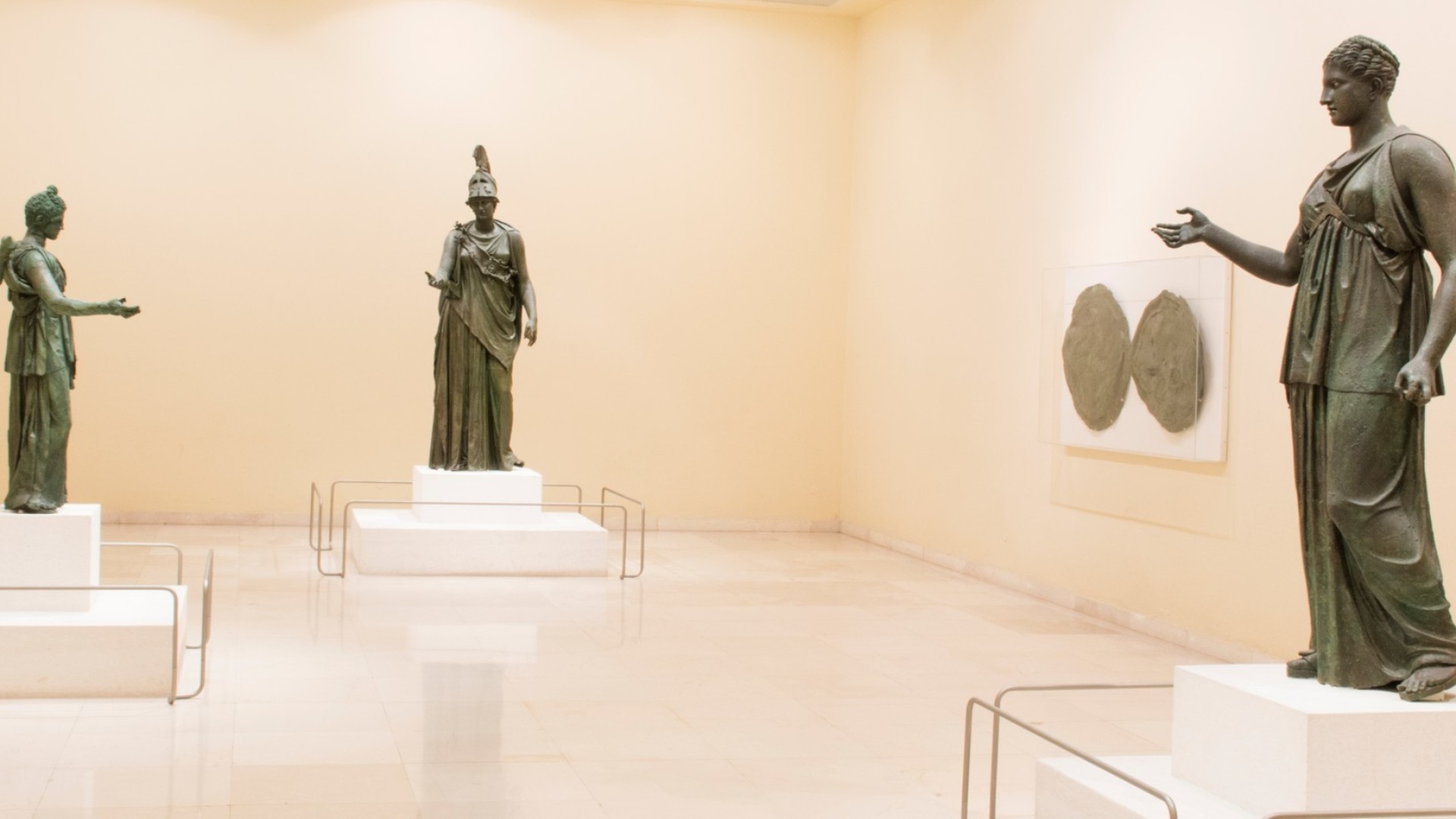
Archaeological Museum of Piraeus
The Archaeological Museum of Piraeus is located near the harbour of Zea and is an important institution that highlights the history of the ancient city of Piraeus and the wider area of southern Attica.
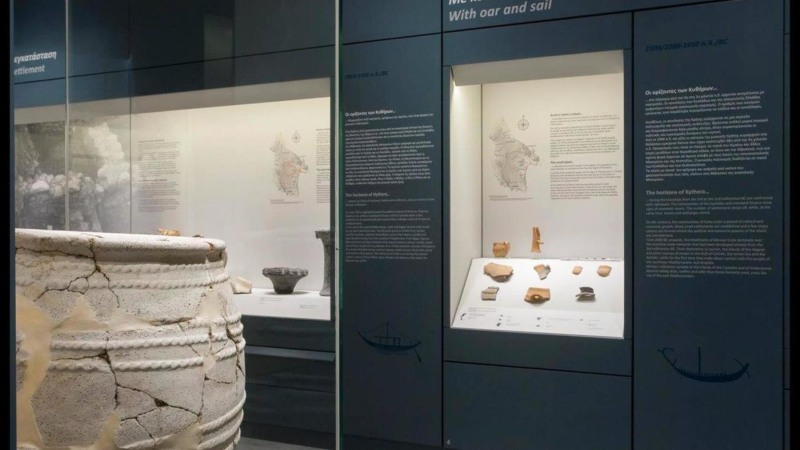
Its permanent collection includes finds mainly from archaeological excavations in the region, covering a wide chronological range from the Mycenaean period to the Roman era. Through its exhibits, the museum presents the development of Piraeus as a major commercial and naval center of the ancient Eastern Mediterranean.
The museum was first established in 1935 near the ancient theatre of Zea and was later enriched with discoveries from excavations in Piraeus and surrounding areas such as Salamis, Kallithea, and Glyfada. Important donations of collections, including ancient artefacts and coins, also contributed to its growth.
The present museum building was formed through expansions and renovations, adding new exhibition halls dedicated to the role of Piraeus as a naval base and commercial hub, as well as displays of ceramics and objects from everyday ancient life.
Its collections include significant finds from the northern cemetery of the ancient city, funerary monuments, sculptures from the Hellenistic and Roman periods, as well as objects from local sanctuaries, revealing aspects of the religious and social life of antiquity.
Today, the Archaeological Museum of Piraeus functions as a living cultural and historical space, offering visitors the opportunity to explore the rich archaeological heritage of Piraeus.