Archaeological Museum of Poros
The Archaeological Museum of Poros was built between 1967 and 1968 on the site of the former residence of Alexandros Koryzis, Prime Minister of Greece in 1941.
The house was donated to the Greek State by his heirs for the creation of the museum. The museum houses two exhibition halls, one on the ground floor and one on the upper floor, displaying finds from the wider region of Troezenia, as well as artifacts from older excavations in Hermione.
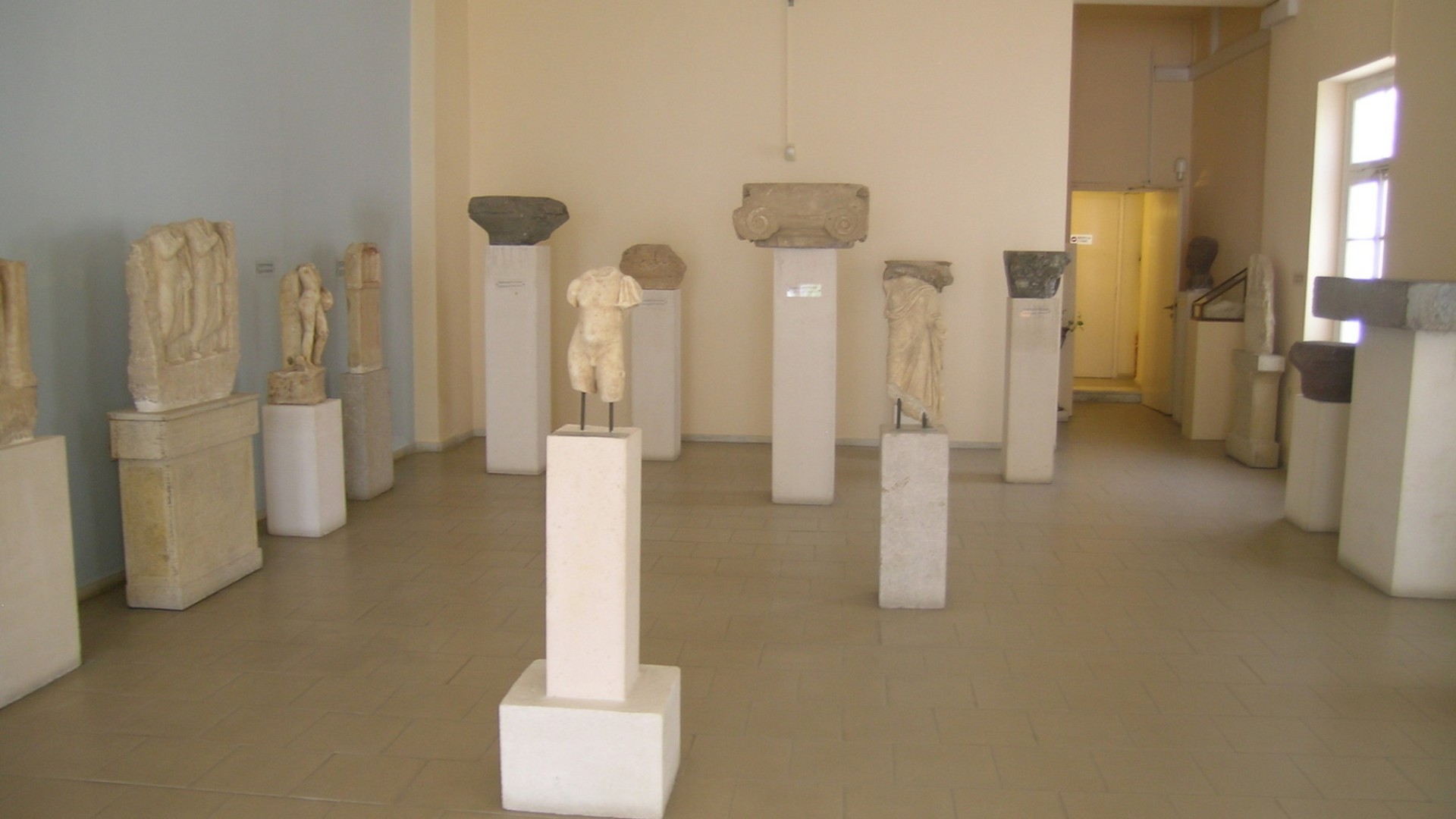
The ground-floor exhibition includes sculptures, inscriptions, and architectural elements from Troezen, Kalaureia, and Methana. Among the most important exhibits are funerary reliefs, honorary decrees, and inscribed monuments dating from the Archaic to the Roman period. A remarkable exhibit is the plaster cast of the famous inscription from Troezen containing the decree proposed by Themistocles in 480 BC regarding the defense against the Persian invasion. Visitors can also admire marble funerary stelae, statues of classical times, and architectural capitals representing the Doric, Ionic, and Corinthian orders.
The museum also presents impressive examples of architectural terracottas from the Sanctuary of Poseidon at Kalaureia and ancient Troezen. Particularly notable is an archaic terracotta sima decorated with painted ornamentation and a lion-head waterspout, dating to around 570 BC.
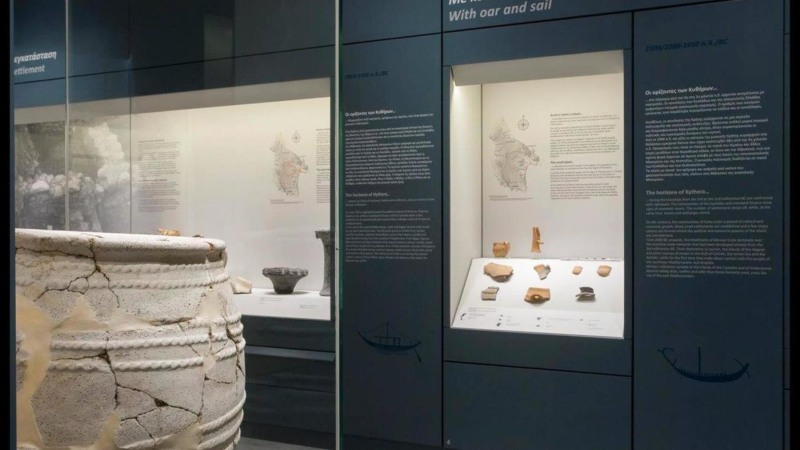
The upper floor focuses mainly on pottery, figurines, and everyday objects from Troezenia and Hermione. Important prehistoric finds come from Mycenaean tombs at Galatas and Methana, including weapons, jewellery, figurines, and richly decorated vessels. One of the most significant artifacts is a Mycenaean figurine of a helmeted rider, a rare and exceptionally preserved example of Mycenaean coroplastic art.
The collection also includes artifacts from the islet of Modi, highlighting the maritime trade routes of the Argosaronic Gulf during the late Mycenaean period. Exhibits from Classical, Hellenistic, and Roman times illustrate aspects of daily life, such as children’s toys, weaving tools, mirrors, lamps, and household pottery.
Overall, the Archaeological Museum of Poros offers visitors a rich journey through the history of Troezenia and the surrounding region, from prehistoric times to the Byzantine era, revealing the cultural, religious, and artistic importance of this historic area of Greece.