Museum of Prehistoric Thera
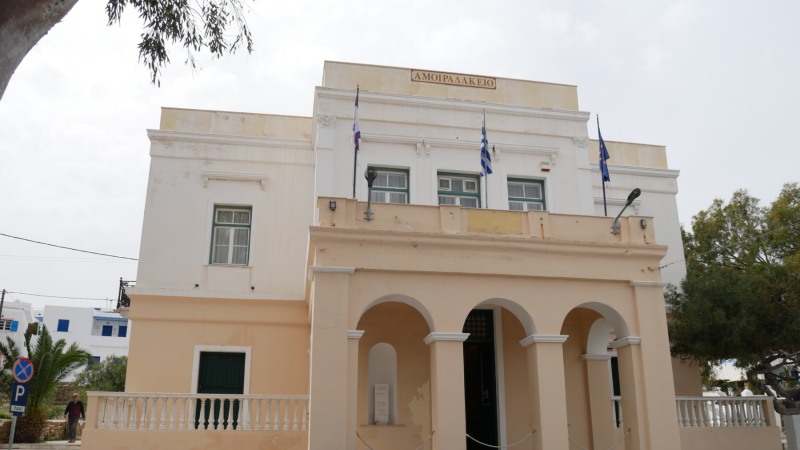
The Museum of Prehistoric Thera is located in Fira, on the island of Santorini, Greece, and is one of the most important archaeological museums in the Cyclades.
It houses findings from excavations across the island, mainly from the prehistoric settlement of Akrotiri, one of the most advanced urban centres of the Aegean during the 2nd millennium BC.
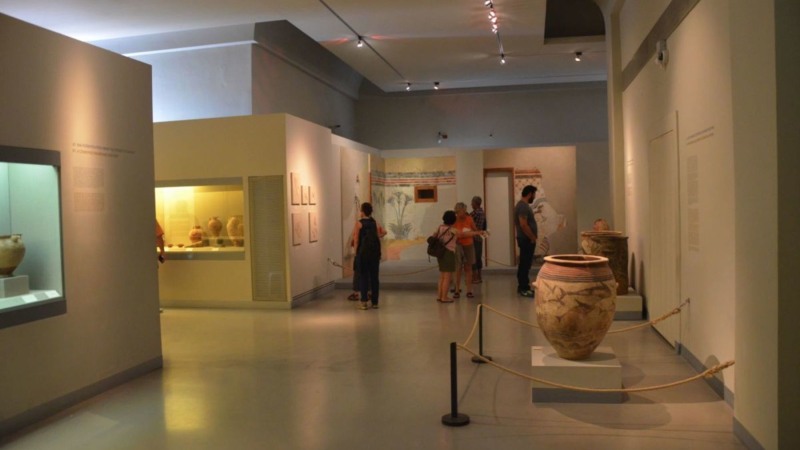
The museum was established to present the history of Thera from the Neolithic period up to the peak of its prehistoric civilisation, just before the volcanic eruption that destroyed the settlement of Akrotiri. Its collections include pottery, tools, jewellery, frescoes, and ritual objects, many of which are exceptionally well preserved.
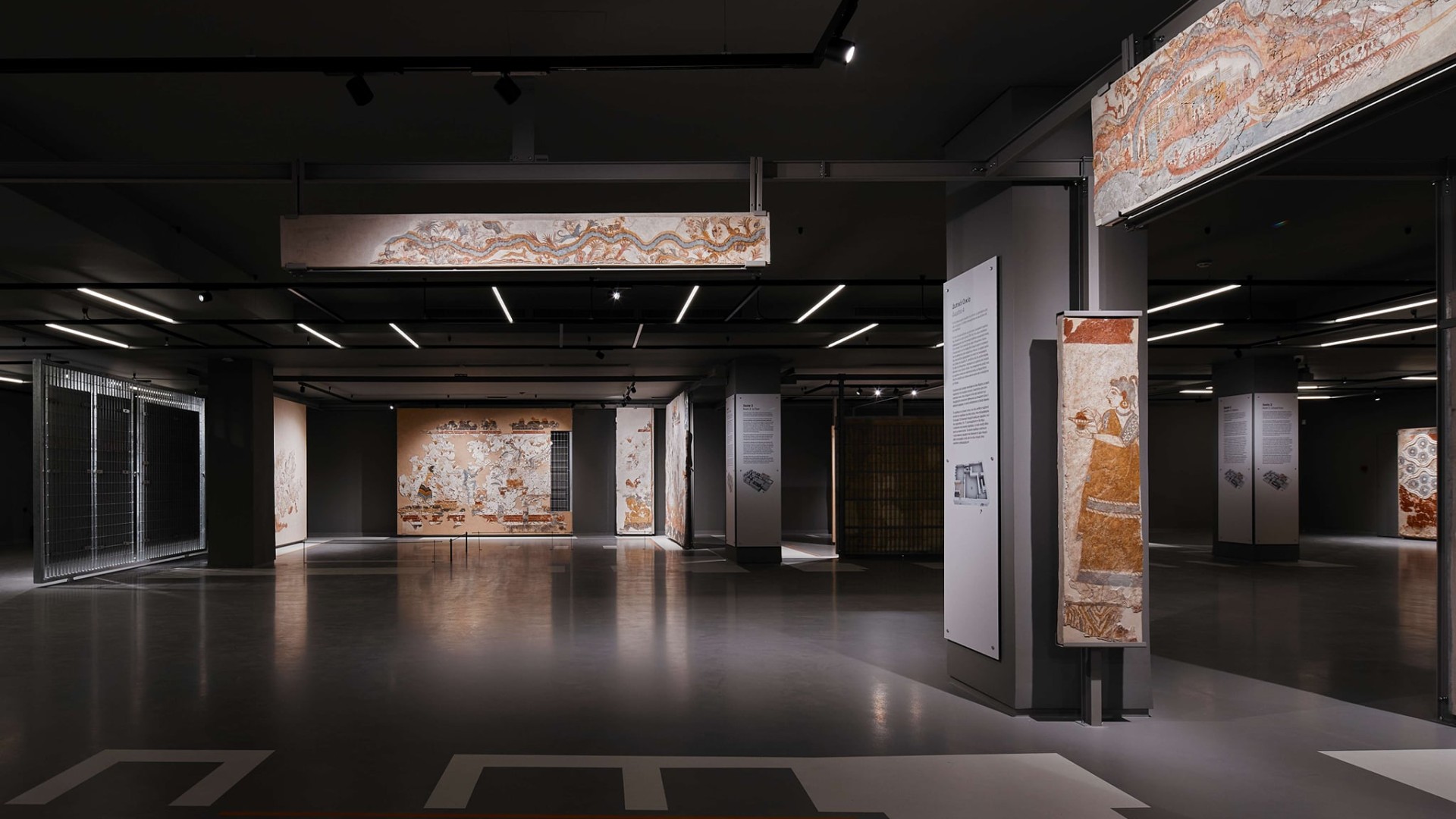
A key highlight of the museum is the famous frescoes from Akrotiri, such as the “Saffron Gatherers,” the “Fishermen,” and the “Goddess of Nature,” which offer valuable insight into the daily life, religion, and artistic expression of the prehistoric inhabitants.
The museum also functions as an extension of the archaeological site of Akrotiri, as it preserves and displays a large portion of its finds. Through its exhibitions, visitors can better understand the development of Cycladic civilisation and its connections with other regions of the Aegean and the Eastern Mediterranean.
Today, the Museum of Prehistoric Thera serves as an important cultural and educational institution, contributing to the preservation and promotion of Santorini’s ancient heritage.